 My Account
 +7 (495) 129 37 00
 st. Derbenevskaya, 9
Facial nerve plastic surgery
Facial nerve plasty is a highly precise microsurgical procedure aimed at restoring facial muscle movement after nerve damage. The procedure helps restore facial symmetry, improve speech, vision, and chewing function, and, most importantly, restore confidence and a full quality of life.
Correction of Asymmetric Facial Movements
Microsurgical facial nerve reconstruction restores symmetry of facial expressions in cases of paresis and paralysis.
Facial Movement Restoration (Congenital and Acquired Paralysis of Facial Muscles)
Mimic gymnastics, electrostimulation, massage, physiotherapy and Botox for synkinesis correction in neuritis, trauma or congenital paresis.
Available sections:
Facial Nerve Plastic Surgery
The face is how a person looks at the world and how the world looks back at them. Paralysis of the facial muscles deprives a person of one of the most basic ways of being themselves: the inability to smile, squint, or raise an eyebrow is not only an aesthetic problem, but a deeply personal one. Facial nerve plastic surgery at Iskusstvo Clinic in Moscow is aimed precisely at restoring a person’s face: alive, symmetrical, and capable of expressing emotions.
The clinic’s surgeons, students of Professor A.I. Nerobeev, have been working in this field for many years. Work with the facial nerve is one of the most delicate areas of reconstructive surgery, requiring knowledge of microsurgery, neuroanatomy, and the biomechanics of facial expression. Every case is unique, and the treatment decision is always made individually.
Causes of Paralysis and Facial Movement Disorders
Congenital facial nerve paralysis, including Möbius syndrome and nerve agenesis
Paralysis after surgical procedures, including removal of tumors of the ear, parotid salivary gland, and skull base
Paralysis caused by trauma, including skull base fractures and injuries
Consequences of facial nerve neuritis, or Bell’s palsy, with incomplete recovery
Synkinesis, or associated movements: unwanted involuntary muscle movements that occur when attempting a purposeful movement
Hyperkinesis of the facial muscles
Facial expression asymmetry of various origins
What We Treat
Within this field, the clinic performs four types of procedures, each described on a separate page.
Correction of Asymmetric Facial Movements
Correction of functional and anatomical facial asymmetry, when one side moves differently from the other. Depending on the cause and degree of impairment, treatment may include both surgical and non-surgical methods.
Restoration of Facial Movement in Congenital and Acquired Paralysis
Surgical restoration of active facial expression in complete or partial facial nerve paralysis. Methods range from nerve repair to transplantation of muscle flaps with neurotization, depending on the duration and cause of the paralysis.
Correction of Associated Movements of the Facial Muscles
Synkinesis is one of the most complex consequences of paralysis: the nerve has recovered, but movements have become “incorrect.” When the patient tries to smile, the eye closes; when blinking, the corner of the mouth rises. Surgical and non-surgical treatment of this condition is a separate specialization.
Smile and Facial Expression Modeling Using Proprietary Techniques
Creation or restoration of a smile in patients who have either never had one from birth or have lost it. The clinic’s proprietary techniques are based on many years of experience of surgeons trained in the Nerobeev school and make it possible to achieve a natural, expressive result.
Principles of Treatment
Work with the facial nerve and facial muscles always begins with precise diagnostics: electroneuromyography, or ENMG, assessment of the duration and cause of paralysis, and analysis of which movements are preserved and which are lost. Based on this, the surgeon creates a treatment plan, often staged.
The choice of method is determined primarily by the duration of paralysis. In fresh nerve injuries, direct nerve suturing or nerve repair may be possible. In long-standing paralysis, when the muscles have atrophied, transplantation of a functioning muscle with neurotization is required. This is a more complex procedure, but it provides a stable result.
In cases of synkinesis, both surgical techniques and botulinum therapy may be used as an auxiliary method.
Rehabilitation and Result
Restoration of facial expression after surgical treatment is a process that takes time. After nerve repair, the first signs of recovery appear after 3–6 months, and the full result forms within 1–2 years.
After transplantation of a muscle flap with neurotization, active movements appear after 6–12 months.
Rehabilitation includes facial exercises and, if necessary, physiotherapy and speech therapy correction. The surgeon follows the patient throughout the entire recovery period.
Why Choose Iskusstvo Clinic
Microsurgical Expertise
Operations on the facial nerve and muscle transplantation with neurotization require mastery of microsurgical technique, including suturing nerve trunks and vessels under magnification. This is one of the clinic surgeons’ key competencies.
Proprietary Techniques
Surgeons trained in the Nerobeev school have developed their own approaches to smile modeling and correction of facial expression, based on many years of clinical practice.
Understanding the Patient
Facial nerve paralysis is not only a medical condition, but also a psychological burden. The clinic’s surgeons know how to speak with such patients: honestly, without excessive promises, but with a real understanding of what can be achieved.
Frequently Asked Questions
Can Facial Expression Be Restored If Paralysis Has Lasted for Several Years?
Yes, in most cases it can, although the choice of methods in long-standing paralysis is different. If the muscles have atrophied, nerve repair will no longer provide a result. In this case, transplantation of a functioning muscle is required.
This is why an in-person assessment is important: the surgeon determines what is realistically achievable in each specific situation.
How Is Nerve Repair Different from Muscle Transplantation?
Nerve repair restores the conduction of nerve impulses to the patient’s own muscles, provided that they are still viable.
Transplantation of a muscle flap with neurotization is used when the patient’s own muscles have atrophied. A living muscle is transferred from another area of the body and connected to a nerve source.
What Is Synkinesis and Why Does It Occur?
Synkinesis is unwanted involuntary movement of the facial muscles that occurs at the same time as an intended movement.
The cause is incorrect “sprouting” of nerve fibers during recovery after paralysis: fibers that should have reached one muscle grow toward another. Synkinesis can be treated both surgically and with botulinum therapy.
How Long Does It Take for the Result to Form After Surgery?
Restoration of facial expression is a slow process. After nerve repair, the first movements appear after 3–6 months, and the final result forms within 1–2 years.
After muscle transplantation with neurotization, active movements appear after 6–12 months. Rehabilitation with facial exercises helps accelerate and improve the result.
Is There Pain After Facial Nerve Surgery?
Pain after such procedures is usually moderate and well controlled with pain medication. The main discomfort during the first days is swelling and limited facial movement.
The surgeon discusses the specific prognosis for postoperative sensations during the consultation.
Book a Consultation
Book a consultation. The surgeon will assess the situation, explain the available options, and help choose the path to recovery.
Who is indicated for surgery?
Microsurgical protocol
OUR SPECIALISTS
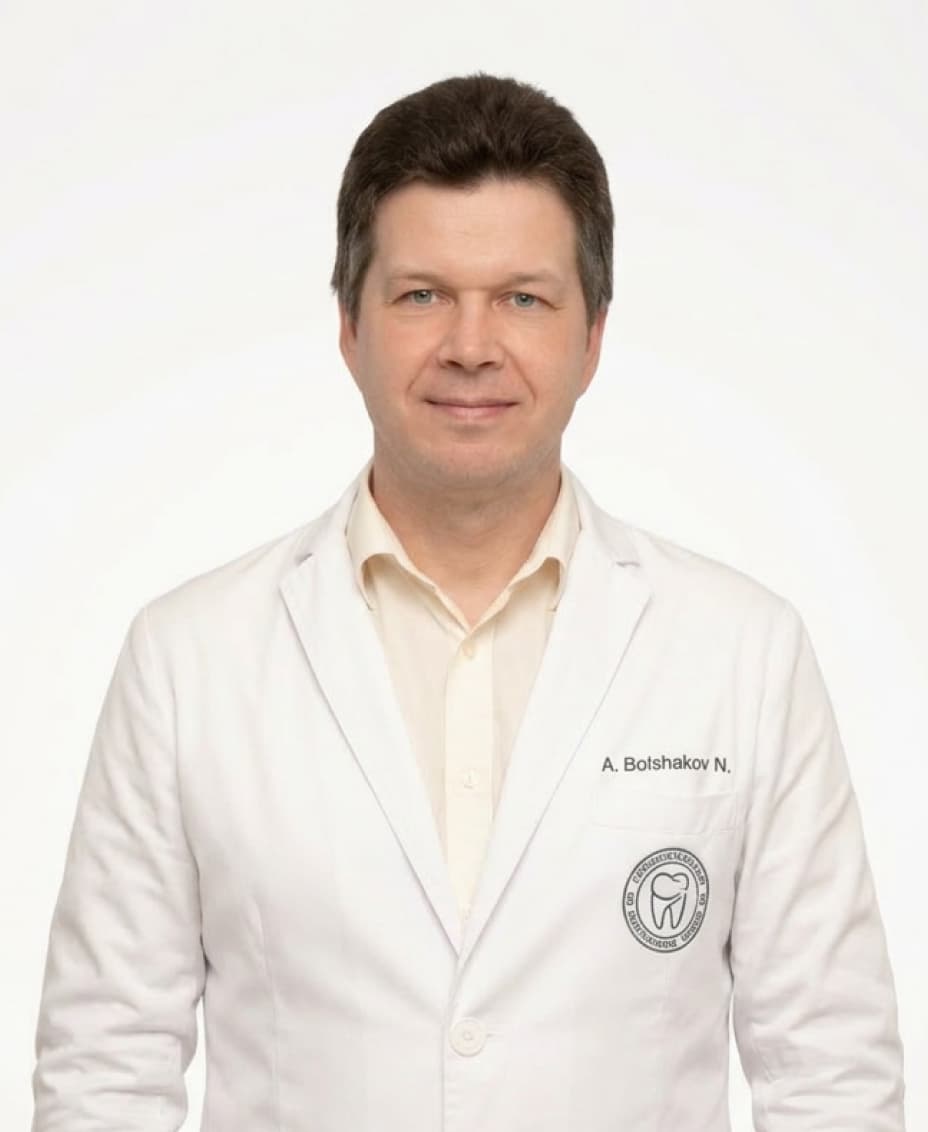
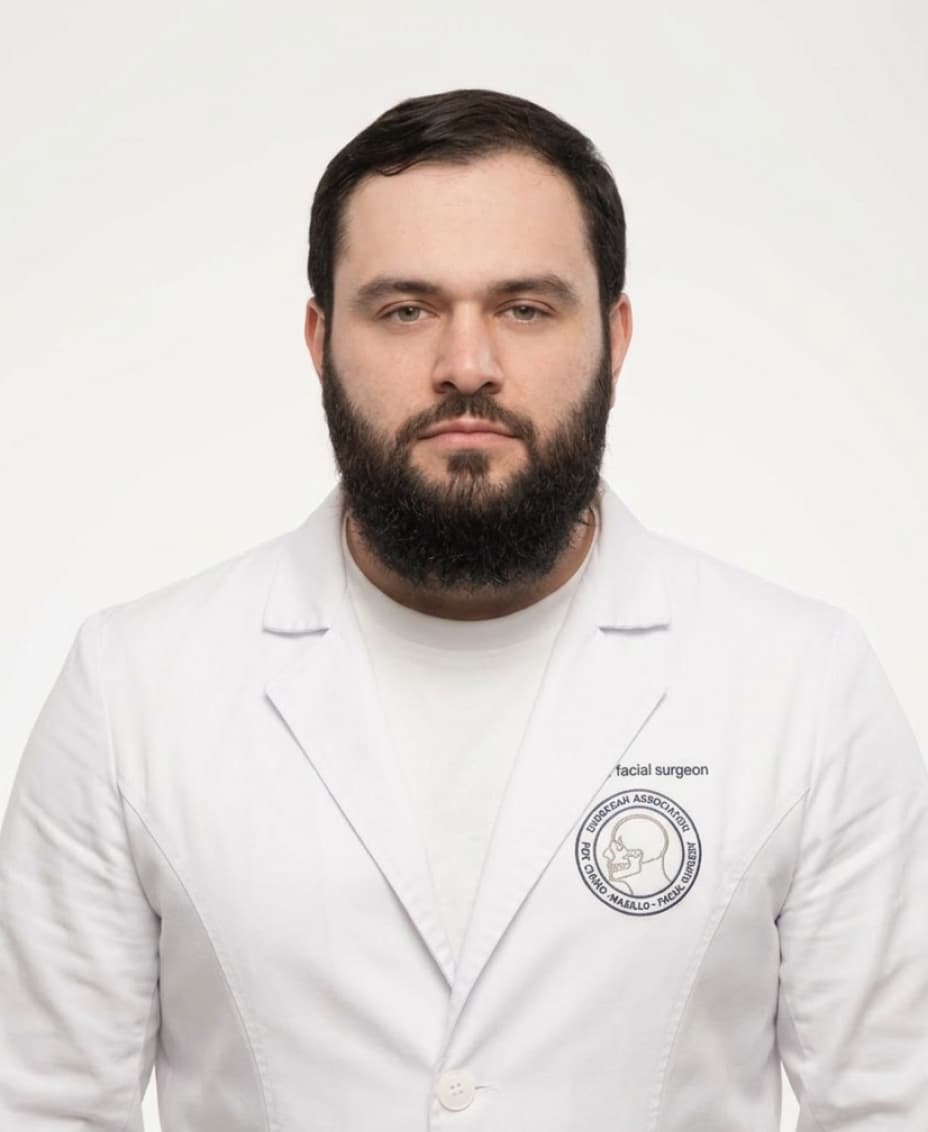
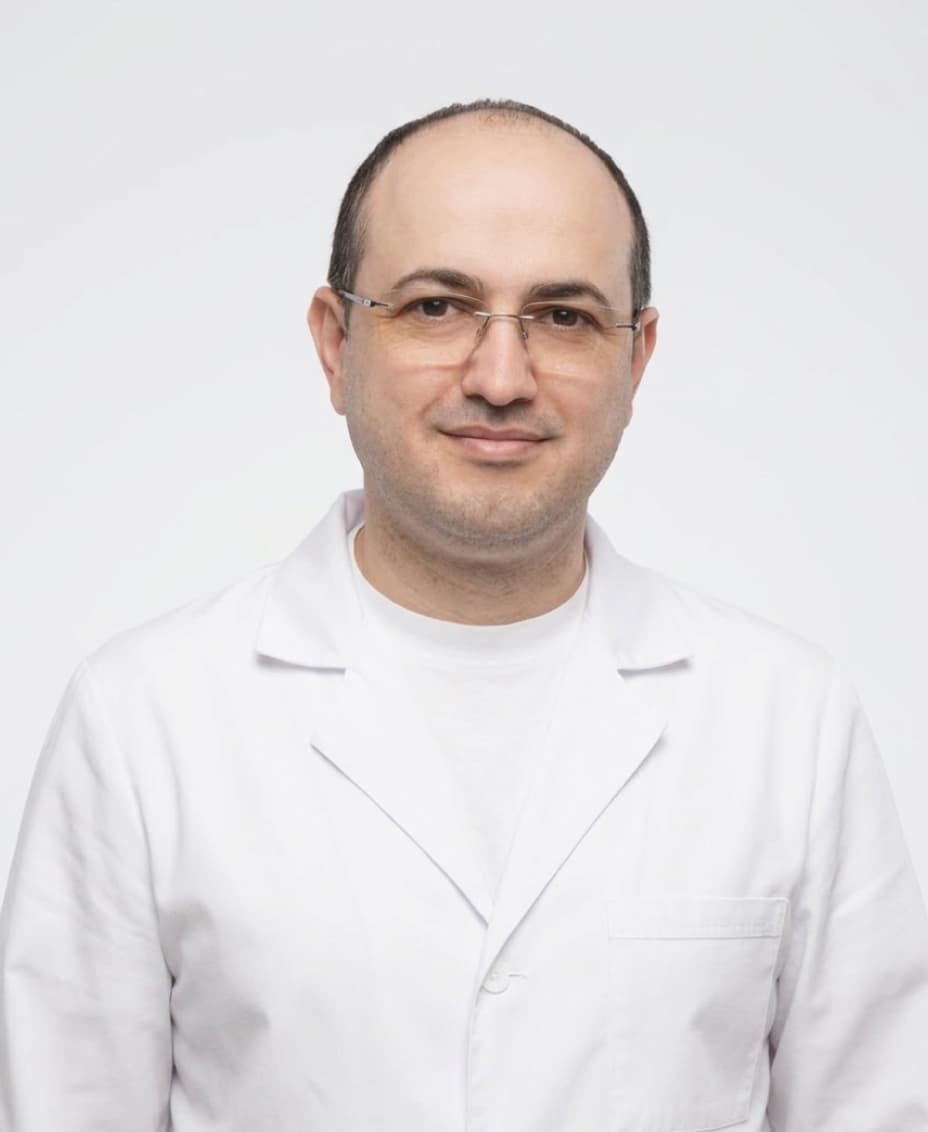
A team that continues the traditions of Professor A.I. Nerobeev's school. Our specialists not only practice but also teach, developing unique techniques in reconstructive and aesthetic medicine.
Leave your number and we will contact you