 My Account
 +7 (495) 129 37 00
 st. Derbenevskaya, 9
Facial Movement Restoration (Congenital and Acquired Paralysis of Facial Muscles)
Mimic gymnastics, electrostimulation, massage, physiotherapy and Botox for synkinesis correction in neuritis, trauma or congenital paresis.
Available sections:
When to Seek Treatment:
Restoration of Facial Movement in Facial Muscle Paralysis
Paralysis of the facial muscles is one of the most severe consequences of facial nerve damage. An immobile half of the face, inability to smile, close the eye, or raise the eyebrow changes not only appearance, but also everyday life: chewing and speech become difficult, and the cornea of the eye may be at risk due to incomplete eyelid closure.
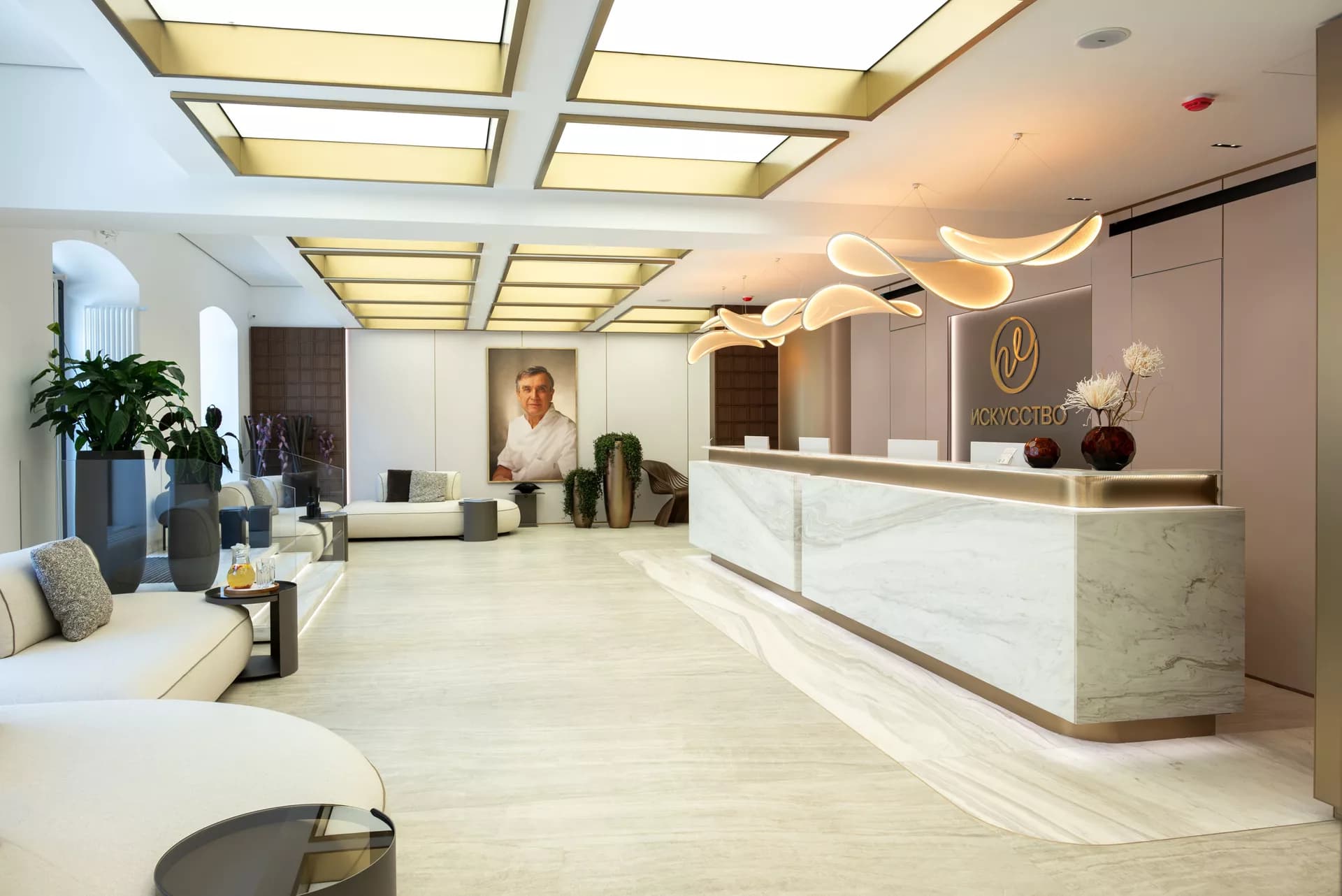
At Iskusstvo Clinic in Moscow, restoration of facial movement is one of the key areas of reconstructive surgery inherited from the school of Professor A.I. Nerobeev.
When It Is Used
Complete facial nerve paralysis after surgery for tumors of the ear, salivary gland, or skull base
Paralysis caused by trauma, including skull base fracture or injury
Congenital paralysis, including Möbius syndrome and facial nerve agenesis
Bell’s palsy without recovery within 6–12 months
Paralysis after radiation therapy to the head and neck area
Choice of Method: What Determines the Treatment Strategy
The main factor is the duration of paralysis and the condition of the facial muscles. In a recent nerve injury, the muscles remain viable, and the goal is to restore nerve conduction.
In long-standing paralysis, the muscles atrophy and can no longer respond to a nerve impulse. In this case, transplantation of a living muscle is required.
Direct Nerve Suture
This method is used in cases of recent nerve transection, usually during surgery or within a few days after trauma. The ends of the nerve are sutured under a microscope. Restoration of conduction takes from several months to one year.
Nerve Repair, or Neuroplasty
When the ends of the nerve cannot be sutured without tension, a nerve graft is used. This is a fragment of a less critical nerve from the patient, usually the sural nerve.
The graft connects the ends of the damaged nerve like a bridge. The method is used in paralysis lasting up to 1.5–2 years, while the muscles still retain the ability to recover.
Neurotization, or Connection to a Donor Nerve
If the facial nerve is damaged at its base or cannot be used as a source of impulses, the peripheral branches of the nerve are connected to another donor nerve, for example, the masseteric nerve or hypoglossal nerve.
This method makes it possible to restore active movements even when the facial nerve itself cannot be used.
Muscle Flap Transplantation with Neurotization
In long-standing paralysis, lasting more than 1.5–2 years, when the patient’s own muscles have irreversibly atrophied, a living muscle is transplanted from another part of the body, most often the gracilis muscle of the thigh.
The muscle is transferred with microsurgical vascular anastomosis and neurotization, meaning connection to a nerve source. This is the most complex type of procedure, providing a stable long-term result.
Cross-Face Nerve Grafting
A nerve graft is passed from the healthy side of the face to the paralyzed side through the upper lip. After 6–9 months, when the graft has grown through, a neurotized muscle is connected to it.
This method allows the surgeon to achieve a spontaneous, emotionally synchronized smile, with both sides of the face responding at the same time.
Course of Surgery
All procedures are performed under general anesthesia. Nerve repair usually takes 2–4 hours. Muscle transplantation with neurotization takes 6–10 hours, with two surgical teams working simultaneously.
Hospitalization after muscle transplantation usually lasts 10–14 days.
Rehabilitation
After nerve repair, the first signs of recovery, such as slight muscle twitching, appear after 3–6 months. Active movements form over 12–18 months.
After muscle transplantation, the first voluntary movements appear after 6–12 months.
Throughout the entire recovery period, the patient performs facial exercises. This is a mandatory part of rehabilitation and directly affects the quality of the final result. The surgeon monitors the patient regularly.
Contraindications
Contraindications include severe systemic diseases in the stage of decompensation, uncorrectable blood clotting disorders, and active infectious processes.
Oncological disease is not an absolute contraindication. The decision is made jointly with the oncologist.
Pronounced atrophy of the donor muscle may limit the use of certain methods.
Frequently Asked Questions
How Long After Paralysis Is Surgery Still Possible?
It depends on the method. Direct nerve suture and neuroplasty are most effective during the first 1.5–2 years.
Muscle transplantation with neurotization is possible even in longer-standing paralysis, provided that the donor muscle is viable.
A precise answer can be given only after examination and ENMG.
Will the Restored Facial Expression Look Natural?
This depends on the method and individual recovery characteristics.
With cross-face nerve grafting and muscle transplantation, the smile is synchronized with emotion: the patient smiles involuntarily when something brings joy.
With neurotization from the masseteric nerve, the smile initially appears during chewing, but over time the brain “relearns” the movement and it becomes more voluntary.
Can a Child with Congenital Paralysis Be Operated On?
Yes. In Möbius syndrome and other congenital paralyses, surgical treatment is usually possible from the age of 4–6 years.
Early intervention allows the child to grow up with a smile, which is important not only functionally, but also psychologically.
The specific timing is determined by the surgeon.
Is General Anesthesia Required?
Yes. All facial nerve procedures are performed under general anesthesia.
The nature of anesthesiology support is determined by the anesthesiologist during the preoperative consultation.
Book a Consultation
Book a consultation. The surgeon will assess the duration of paralysis, the condition of the nerve and muscles, and recommend a realistic restoration plan.
Indications:
Duration and Recovery
OUR SPECIALISTS
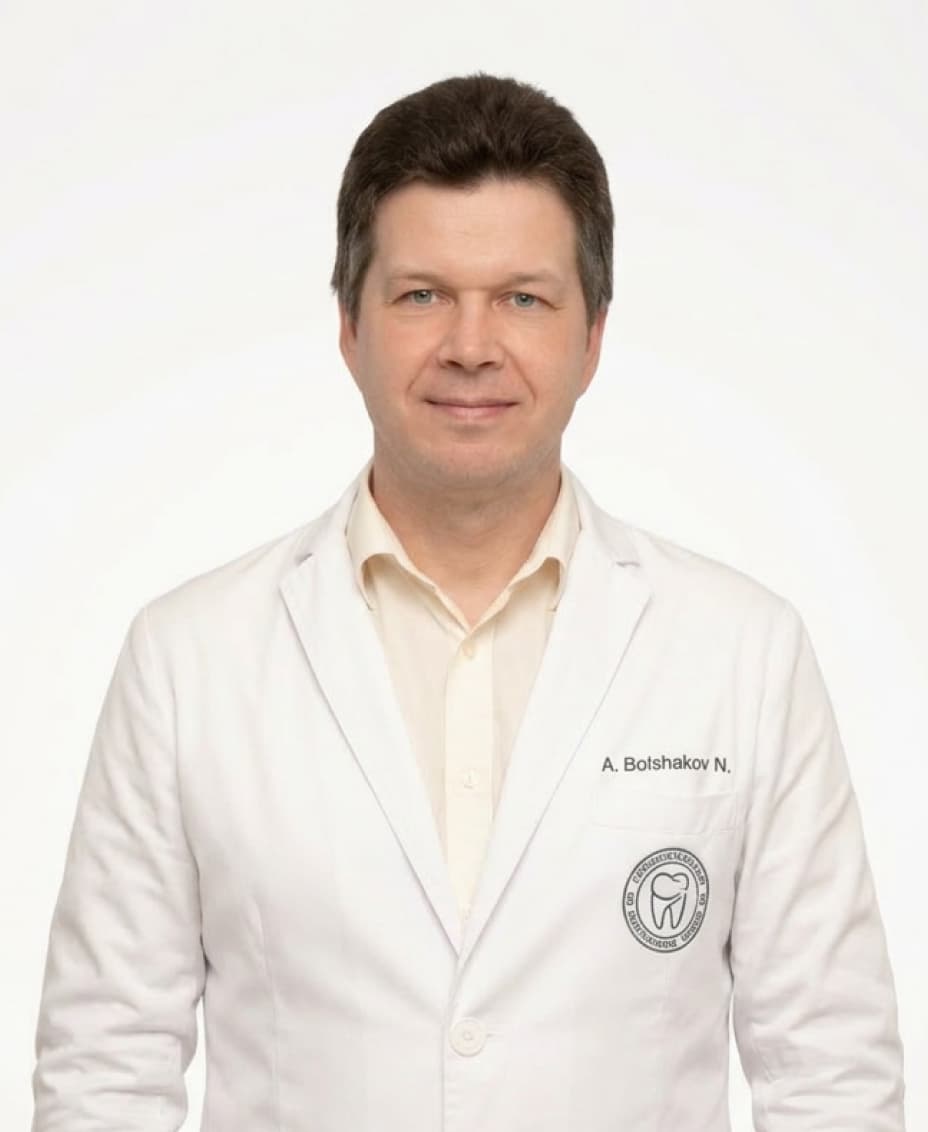
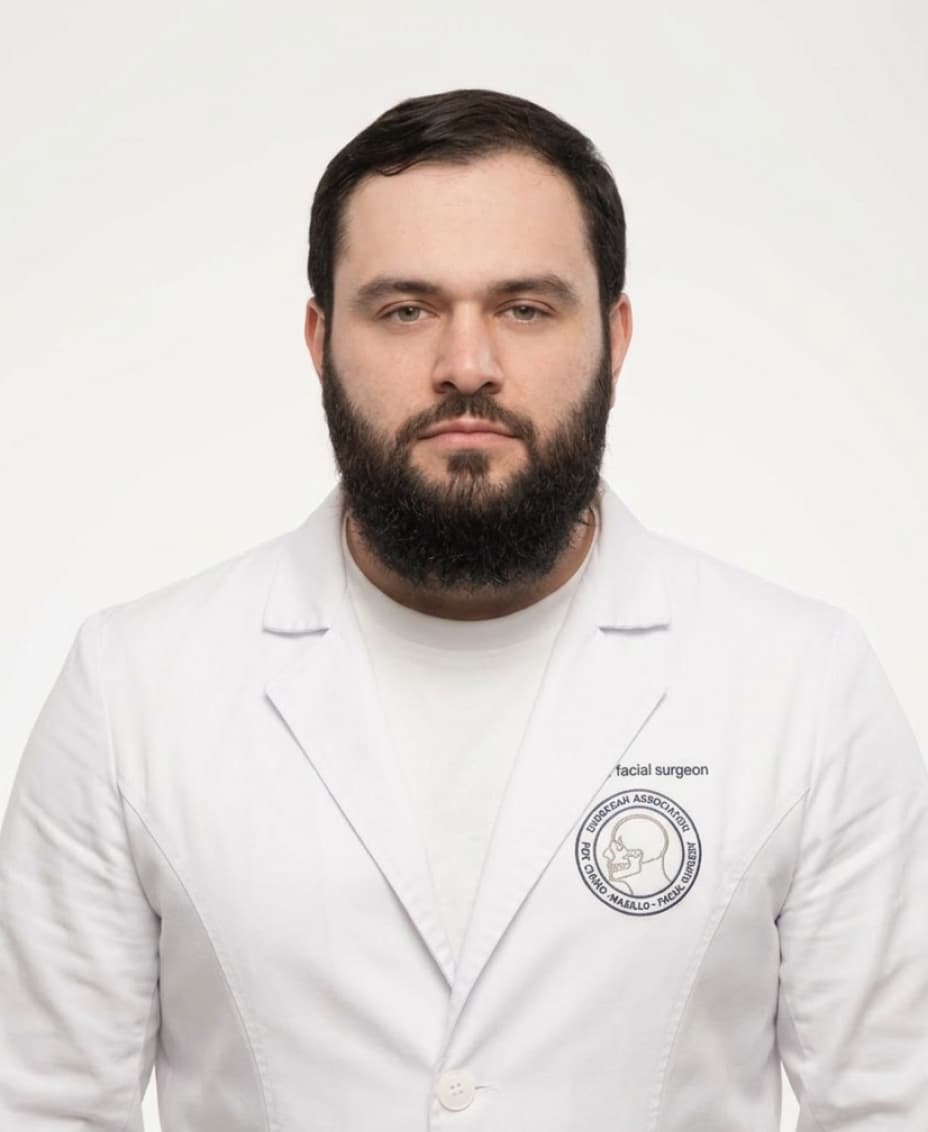
A team that continues the traditions of Professor A.I. Nerobeev's school. Our specialists not only practice but also teach, developing unique techniques in reconstructive and aesthetic medicine.
Leave your number and we will contact you