 My Account
 +7 (495) 129 37 00
 st. Derbenevskaya, 9
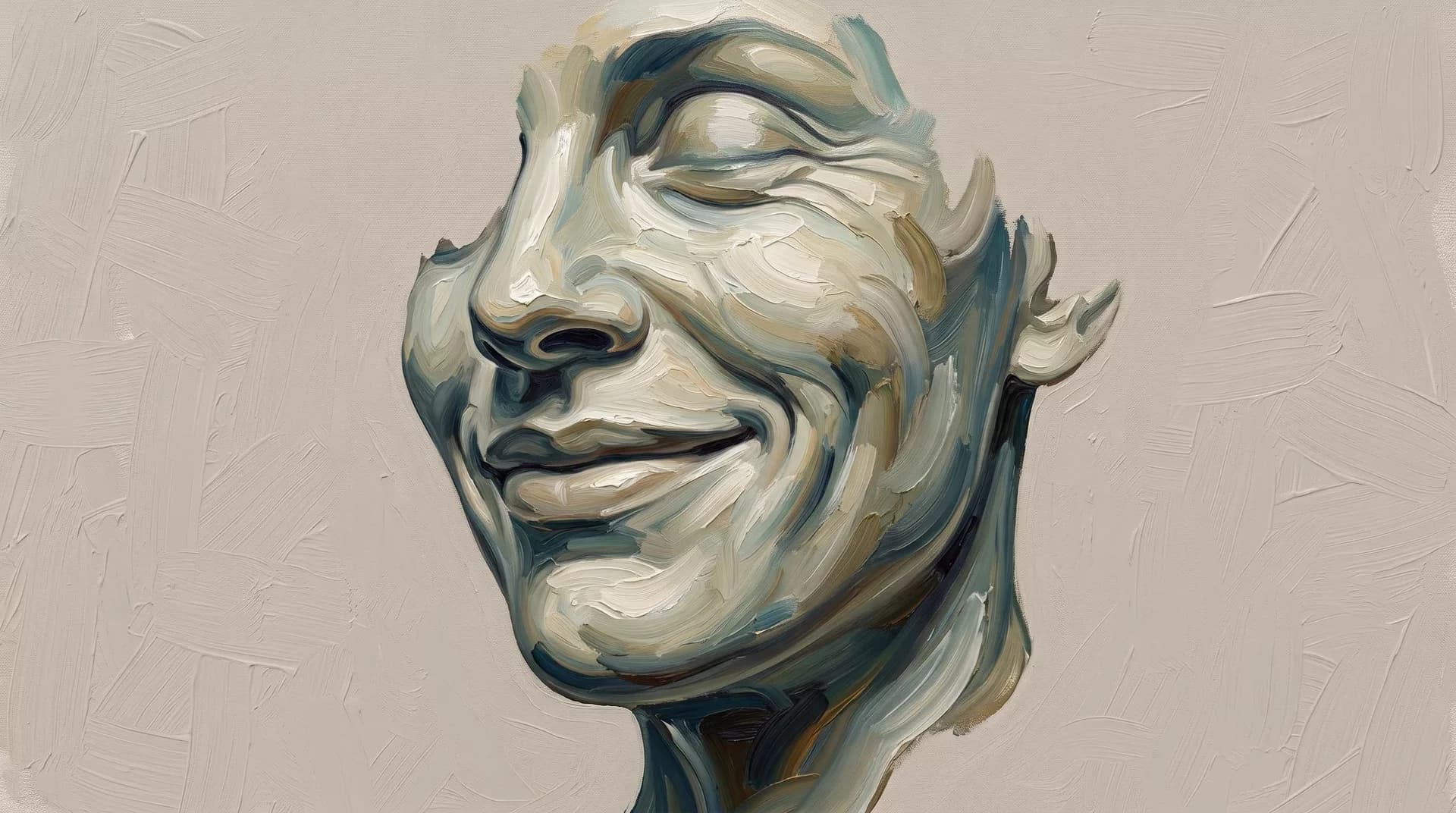
Smile and Facial Mimicry Modeling Using Proprietary Techniques
Computer 3D smile planning (Digital Smile Design) considering face proportions, mimicry, phonetics and golden ratio + prototype creation (wax-up/mock-up) for trial before treatment.
Available sections:
Smile and Facial Expression Modeling Using Proprietary Techniques
A smile is one of the first movements a person learns and one of the most meaningful. For patients who have never been able to smile, whether due to congenital paralysis, Möbius syndrome, or severe asymmetry, the ability to smile can change life. At Iskusstvo Clinic in Moscow, surgeons trained in the school of Professor A.I. Nerobeev use proprietary smile modeling techniques based on many years of experience in facial reconstructive surgery and a deep understanding of facial biomechanics.
Who It Is Suitable For
Congenital absence of a smile, including Möbius syndrome and facial nerve agenesis
Absence of a smile due to long-standing facial nerve paralysis
Pronounced smile asymmetry, where one side does not participate in movement
An undesirable smile pattern after previous paralysis: forced, unnatural, or not synchronized with emotion
The Clinic’s Proprietary Approach
The clinic’s surgeons have developed their own methods of smile formation, based on the understanding that a smile is not limited to lifting the corners of the mouth. It is a complex multi-muscle movement involving the cheeks, lower eyelids, and cheekbone area.
The goal is to create not a “mechanical” smile, but a living, emotionally synchronized smile that is proportionate to the face of a specific person.
At the planning stage, the surgeon uses video analysis of facial expression, photographic documentation, and, if necessary, 3D modeling. The result is discussed with the patient in advance, taking into account their wishes and anatomical possibilities.
Surgical Methods
Muscle Transplantation with Neurotization
This is the main method when a smile is absent. A living muscle, usually the gracilis muscle of the thigh, is transferred to the cheek area with microsurgical vascular anastomosis.
Neurotization, meaning connection to a nerve source, provides innervation of the transplanted muscle. With cross-face neurotization, the muscle receives impulses from the healthy side, and the smile becomes spontaneous, appearing together with emotion.
Masseter Muscle Transposition
Part of the masseter muscle is transferred to the corner of the mouth and fixed in such a way that chewing or voluntary contraction of the masseter muscle lifts the corner of the mouth.
This is a less complex procedure than muscle transplantation, but at first the smile is “activated” during chewing rather than by emotion. Over time, the patient learns to produce it voluntarily.
Static Methods as an Addition
If necessary, the position of the mouth corner at rest is corrected at the same time, along with correction of the lower eyelid or nasolabial fold. This creates a more harmonious result with better symmetry at rest.
Staging and Planning
Smile creation is often a multi-stage process. With cross-face neurotization and muscle transplantation, the first stage is passing a nerve graft through the upper lip. The second stage, performed after 6–9 months, is muscle transplantation and connection to the grown nerve graft.
This approach provides the most natural, emotionally synchronized smile.
The details of the plan, including the number of stages, their sequence, and the expected result, are discussed with the patient during the consultation, without rushing and with answers to all questions.
Rehabilitation
After muscle transplantation, hospitalization usually lasts 10–14 days. The first involuntary movements of the transplanted muscle appear after 6–12 months.
A voluntary, conscious smile forms over 1–2 years as the patient learns to control the new muscle.
Facial exercises and special training are a mandatory part of rehabilitation. They accelerate the brain’s “retraining” process and help form a natural movement pattern.
Contraindications
Contraindications include severe systemic diseases in the stage of decompensation, uncorrectable blood clotting disorders, and pronounced atrophy or damage of the donor muscle.
The decision on whether surgery is possible is made by the surgeon after examination.
Frequently Asked Questions
How Soon After Surgery Will a Smile Appear?
After muscle transplantation, the first movements appear 6–12 months after neurotization. This requires patience, but the result is worth the wait.
The surgeon explains in detail what to expect at each stage.
Will the Smile Look Natural?
The goal of the clinic’s proprietary techniques is precisely a natural, living smile, not a mechanical lifting of the mouth corner.
With cross-face neurotization, the smile appears spontaneously in response to emotion and is synchronized with facial expression.
Complete symmetry with the other side is not always achievable, but significant improvement is.
Can This Operation Be Performed on a Child?
Yes. In Möbius syndrome and other congenital paralyses, surgery is possible from the age of 4–6 years.
Early smile creation is also important for the child’s psychological development. The exact timing is determined individually by the surgeon.
Are There Marks on the Leg, the Donor Area, After Surgery?
A scar remains on the thigh after muscle harvesting. With proper technique, limb function is not significantly affected.
The surgeon discusses this issue with the patient in detail before surgery.
Book a Consultation
Book a consultation. The surgeon will explain what result is achievable in your specific case and create a treatment plan.
OUR SPECIALISTS
A team that continues the traditions of Professor A.I. Nerobeev's school. Our specialists not only practice but also teach, developing unique techniques in reconstructive and aesthetic medicine.
Leave your number and we will contact you