 My Account
 +7 (495) 129 37 00
 st. Derbenevskaya, 9
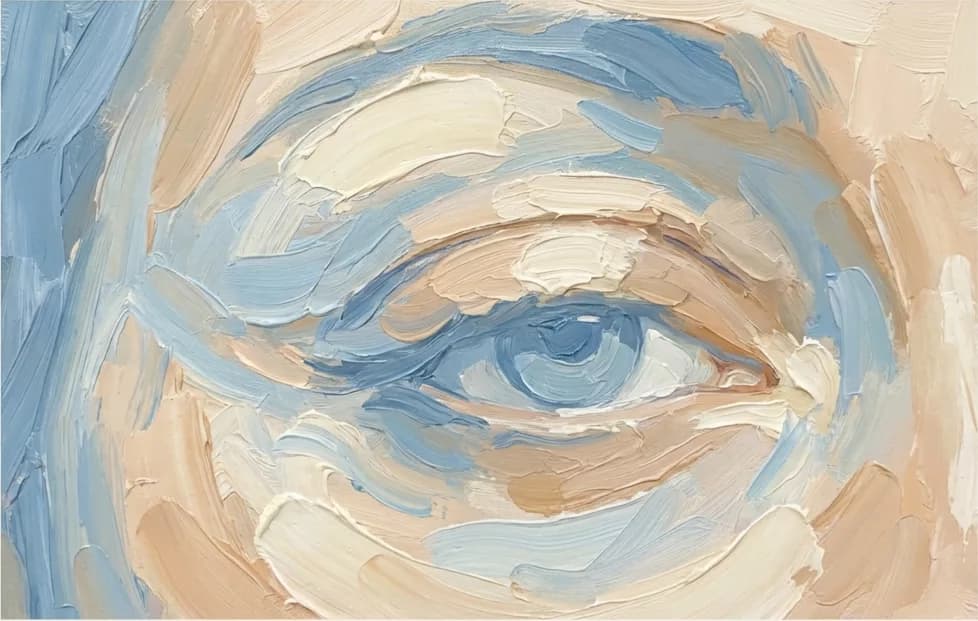
Eyelid Plastic Surgery (Blepharoplasty)
Excess skin, fat hernias, under-eye bags and upper eyelid hooding removal to open gaze, eliminate fatigue and restore youthful orbital contour.
Available sections:
Blepharoplasty, or eyelid surgery, is one of the most common procedures in aesthetic and reconstructive surgery. It is aimed at correcting age-related, congenital, and acquired changes of the upper and lower eyelids.
The periorbital area, the zone around the eyes, is one of the first areas where signs of aging become visible. Excess skin on the upper eyelids creates a heavy-looking gaze, fat herniation of the lower eyelids gives the face a tired appearance, and fine wrinkles and pigmentation make age-related changes more pronounced. At Iskusstvo Clinic in Moscow, eyelid surgery is performed by surgeons trained in the school of Professor A.I. Nerobeev, combining deep knowledge of periorbital anatomy with microsurgical technique.
The philosophy of eyelid surgery at Iskusstvo Clinic goes beyond simply removing “excess” skin and fat. Modern blepharoplasty is a comprehensive approach to the tissues of the periorbital area, taking into account eyebrow position, orbicularis oculi muscle tone, the condition of the orbital septum and fat compartments, skin quality, and the patient’s facial expressions. The goal is not only to rejuvenate the eyelids, but to restore expressiveness and freshness to the gaze while preserving individuality.
Indications
Medical, or Functional, Indications
Ptosis of the upper eyelid limiting the field of vision
Excess upper eyelid skin hanging over the lash line
Lagophthalmos, or incomplete eyelid closure, leading to corneal dryness
Ectropion or entropion causing eye irritation
Orbital fat herniation creating pressure on the eyeball
Aesthetic Indications
Drooping upper eyelid skin creating a tired or aged appearance
Bags under the eyes caused by lower eyelid fat herniation
Wrinkles of the lower eyelids and skin laxity in the periorbital area
Asymmetry of the eye openings
Desire to change the eye shape or eye contour, including Asian eyelid correction and canthoplasty
Deep tear troughs and dark circles under the eyes
Types of Procedures and Techniques
Iskusstvo Clinic offers a full range of surgical eyelid correction techniques, from classic blepharoplasty to complex reconstructive procedures. The method is selected individually by the surgeon based on examination and diagnostics.
Upper and Lower Blepharoplasty
This is a classic procedure for removing excess skin and redistributing or removing fat herniation of the upper and lower eyelids. The incision on the upper eyelid is placed in the natural crease, while the incision on the lower eyelid is placed just below the lash line. After healing, the scars are usually almost invisible.
Transconjunctival Lower Blepharoplasty
This is a lower eyelid correction technique without an external incision. Access is made through the conjunctiva, the inner surface of the eyelid. It is optimal for patients with fat herniation and good skin tone.
Removal of Upper and Lower Eyelid Fat Herniation
This isolated procedure is aimed at eliminating protrusions of orbital fat. It can be performed through either an external or transconjunctival approach.
Asian Eyelid Correction
This procedure creates or deepens the supratarsal fold of the upper eyelid. It allows the creation of a more “European” eye shape at the patient’s request while preserving ethnic features.
Epicanthoplasty, Canthoplasty, and Canthopexy
This group of procedures involves the corners of the eye opening: correction of the epicanthus, or fold near the inner corner of the eye; modification of the shape and position of the outer corner; and strengthening of the eyelid ligament structures.
Upper Eyelid Ptosis Correction
This surgical procedure corrects drooping of the upper eyelid caused by weakness or damage to the levator muscle or its aponeurosis. The operation restores the normal height of the eye opening.
Lagophthalmos Correction
This is surgical correction of incomplete eyelid closure, which often occurs after facial nerve paralysis, trauma, or previous surgery. The procedure is aimed at protecting the cornea and restoring eyelid function.
Periorbitoplasty
Periorbitoplasty is comprehensive rejuvenation of the entire periorbital area. It may include correction of the upper and lower eyelids, tear trough, midface, and eyebrow position within a single procedure.
How the Procedure Is Performed
Eyelid surgery is performed in the operating room of Iskusstvo Clinic, equipped with microsurgical instruments and optical magnification. Preoperative preparation includes a consultation with the surgeon, an ophthalmologist examination if necessary, standard laboratory tests, and a consultation with an anesthesiologist.
Most blepharoplasty procedures are performed under local anesthesia with intravenous sedation. Combined procedures, such as periorbitoplasty or eyelid surgery combined with brow lift, may be performed under general anesthesia.
The duration of surgery ranges from 30–40 minutes for isolated upper eyelid correction to 2–3 hours for comprehensive periorbitoplasty. The surgeon works using optical magnification, which provides maximum precision and minimizes tissue trauma. When external incisions are made, they are placed in the natural eyelid folds and become almost invisible after healing.
Rehabilitation
Blepharoplasty has a relatively short recovery period. During the first 2–3 days, cold compresses are recommended to reduce swelling. Sutures are removed on days 5–7. Most swelling and bruising resolve within 7–14 days.
Contact lenses can usually be worn 2 weeks after surgery. Eye makeup may be applied after 10–14 days. Physical activity should be limited for 2–3 weeks. The final result is assessed after 1–3 months. Recovery time is individual and may vary.
Risks and Complications
Possible complications include hematoma, swelling, temporary dry eyes or tearing, asymmetry, undercorrection or overcorrection, temporary changes in skin sensitivity, and unsatisfactory scarring. Serious complications, such as retrobulbar hematoma or injury to the eyeball, are extremely rare.
All potential risks are discussed in detail during the consultation. The experience of the surgeons at Iskusstvo Clinic in microsurgery and reconstructive surgery of the periorbital area helps minimize the likelihood of complications.
Contraindications
Absolute Contraindications
Decompensated cardiovascular, liver, or kidney disease
Blood clotting disorders
Active oncological disease
Acute infectious diseases
Severe eye diseases, including uncompensated glaucoma or retinal detachment; these cases require discussion with an ophthalmologist
Relative Contraindications
Dry eye syndrome, requiring preliminary correction
Diabetes mellitus, requiring compensation
Autoimmune diseases, including systemic lupus erythematosus and thyroid eye disease
Pregnancy and breastfeeding
The final decision on whether surgery can be performed is made by the doctor.
Why Choose Iskusstvo Clinic
The School of Professor Nerobeev
The surgeons have deep knowledge of the anatomy of the periorbital area, facial nerve, and eyelid ligament structures, acquired through specialization in maxillofacial surgery.
Microsurgical Precision
Skills in working with vessels and nerves less than 1 mm in diameter allow eyelid procedures to be performed with high precision.
Full Range of Techniques
The clinic performs everything from aesthetic blepharoplasty to complex reconstructive procedures, including correction of ptosis and lagophthalmos, within one medical center.
Equipment
The operating rooms are equipped with microsurgical instruments and optical magnification.
Comprehensive Approach
Blepharoplasty can be combined with brow lift, midface lift, and cosmetology procedures for complete rejuvenation of the periorbital area.
Frequently Asked Questions
At What Age Can Blepharoplasty Be Performed?
There are no strict age limits. Most patients seek eyelid surgery between the ages of 35 and 60, but indications are determined not by age, but by the severity of the changes. Some patients have a hereditary predisposition to early lower eyelid fat herniation and seek treatment as early as 25–30 years old.
Reconstructive procedures, such as correction of ptosis or lagophthalmos, can be performed at any age when medically indicated.
Which Blepharoplasty Method Is Better: Classic or Transconjunctival?
Each method has its own indications. The transconjunctival approach is ideal for removing lower eyelid fat herniation when skin tone is good, as it leaves no external scar.
The classic approach is necessary when there is excess skin, laxity, or a need for muscle tightening. The surgeon recommends the optimal method during the consultation.
Will There Be Scars After Blepharoplasty?
Incisions are placed in the natural crease of the upper eyelid or just below the lash line of the lower eyelid. After healing, usually within 2–3 months, the scars become almost invisible and are hidden when the eyes are closed.
With the transconjunctival approach, there is no external scar at all.
Can Blepharoplasty Be Combined with Other Procedures?
Yes. Blepharoplasty is often combined with brow lift, cheek lift, facelift, or laser rejuvenation of the periorbital skin. A comprehensive approach provides more harmonious rejuvenation. The treatment plan is created individually.
How Long Does the Result of Blepharoplasty Last?
The result of upper eyelid blepharoplasty usually lasts from 7 to 15 years. Fat herniation removed during lower eyelid blepharoplasty does not recur. However, the aging process continues, and new excess skin may appear over time. The duration of the result is individual.
How Does Blepharoplasty Affect Vision?
Blepharoplasty does not affect the eyeball and does not change visual acuity. In cases of upper eyelid ptosis or pronounced skin overhang, the procedure may actually improve the peripheral field of vision.
During the postoperative period, temporary dry eyes or tearing may occur, but these symptoms usually resolve on their own.
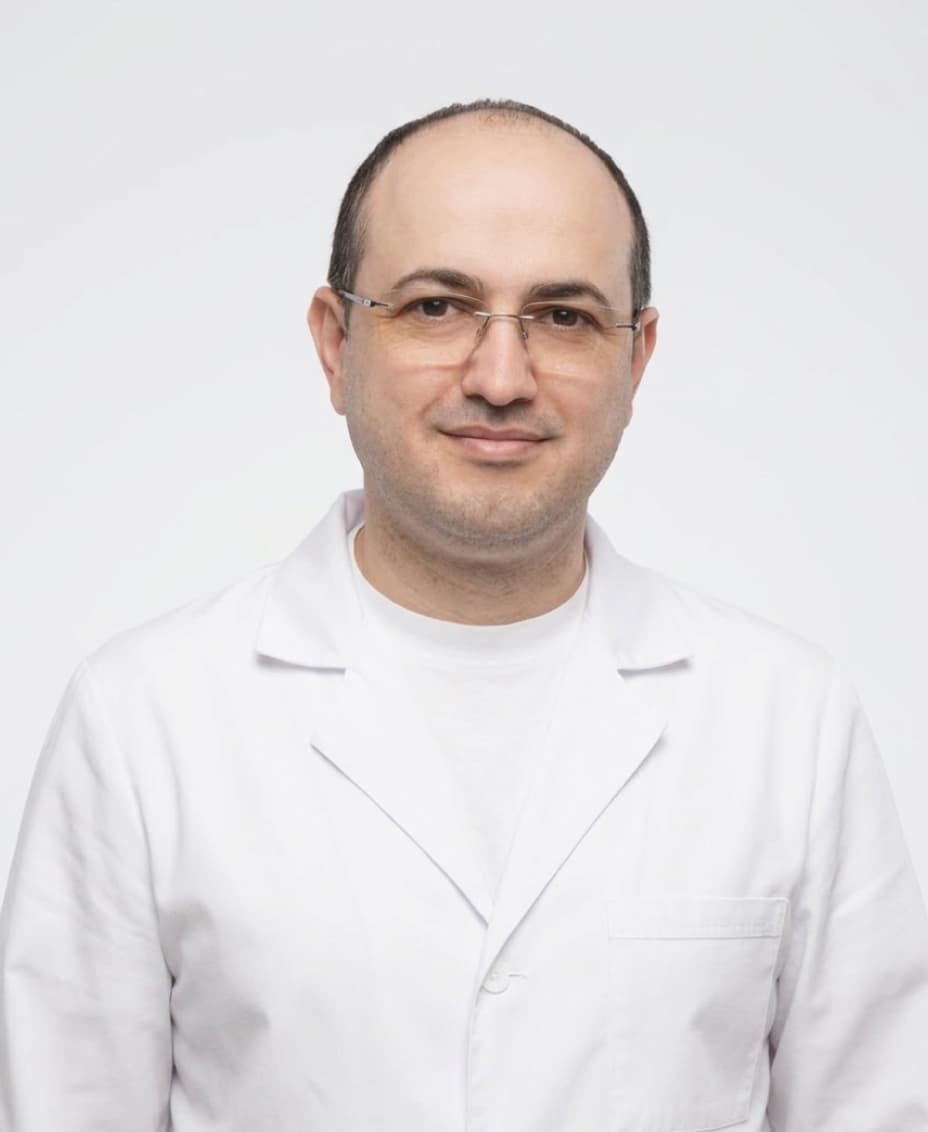
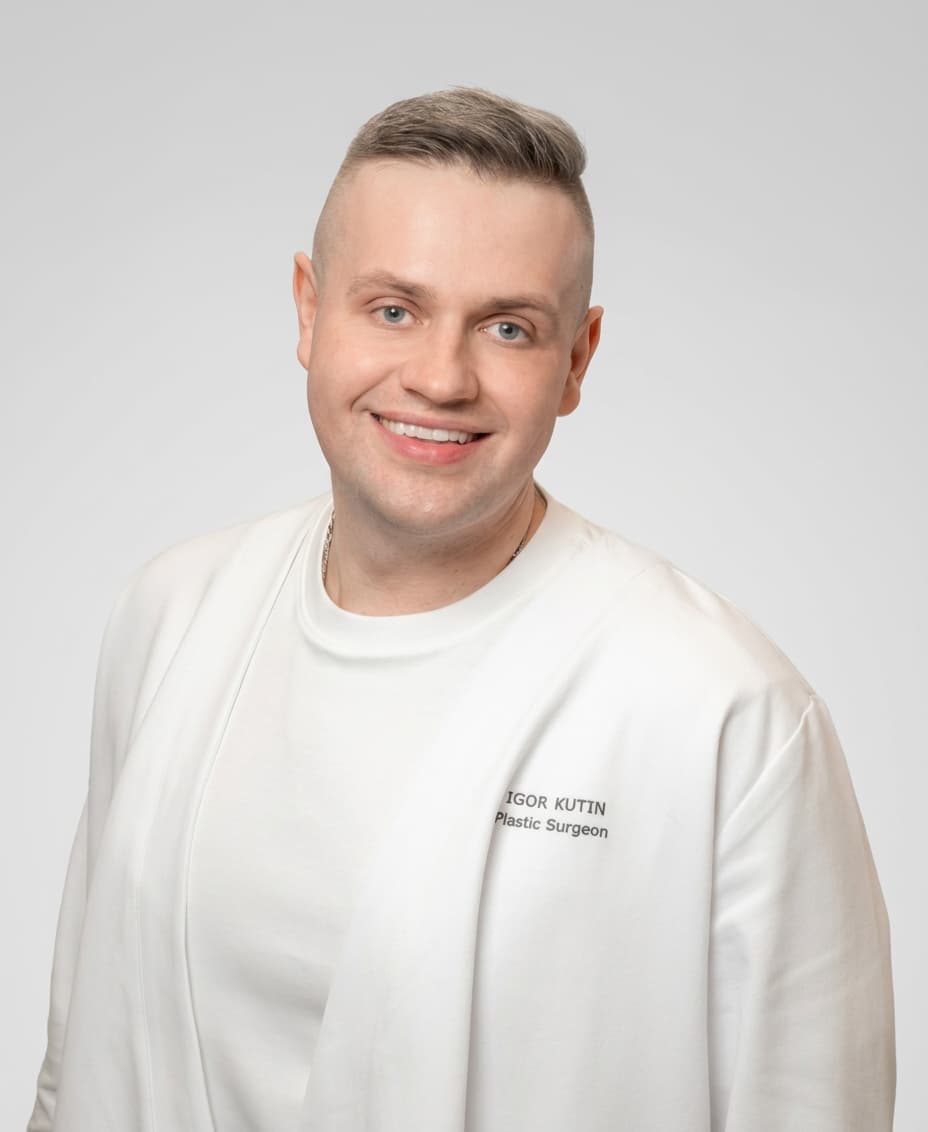
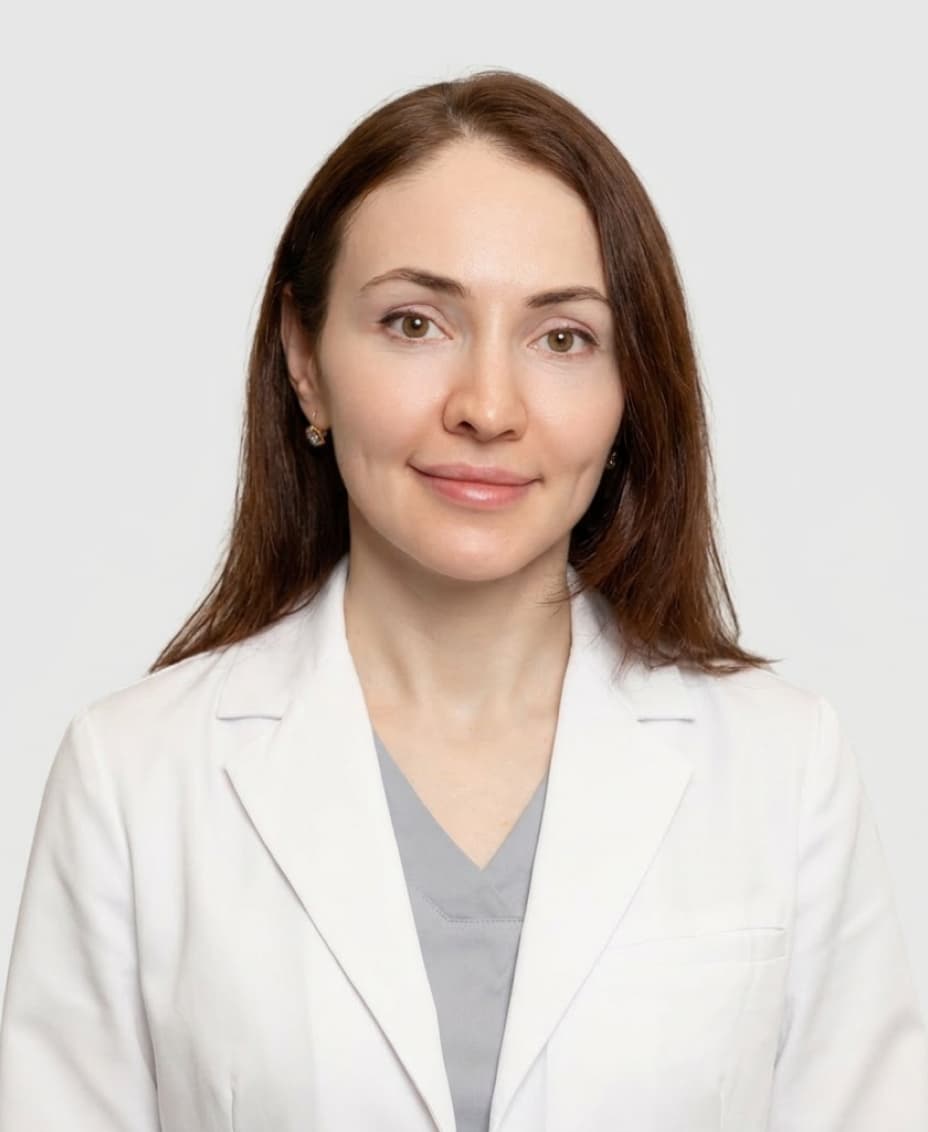
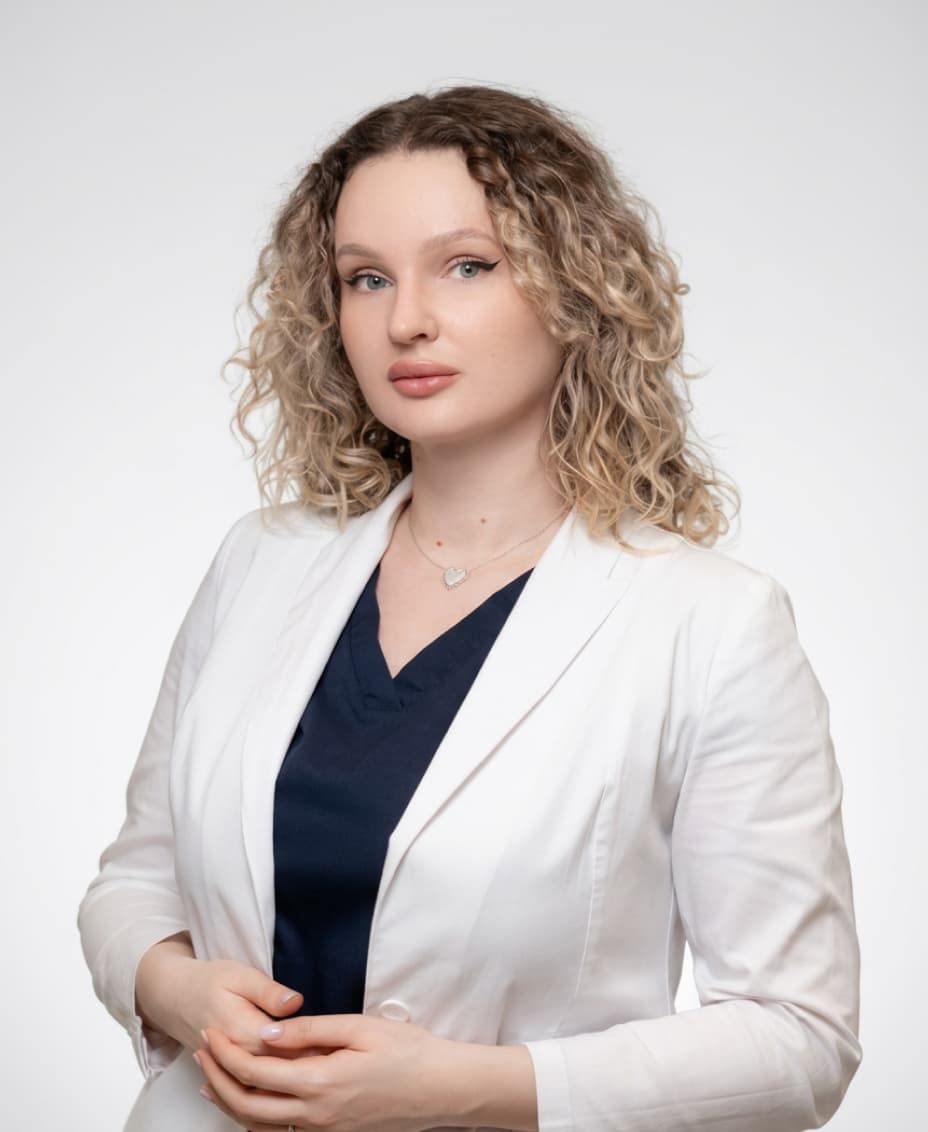
OUR SPECIALISTS
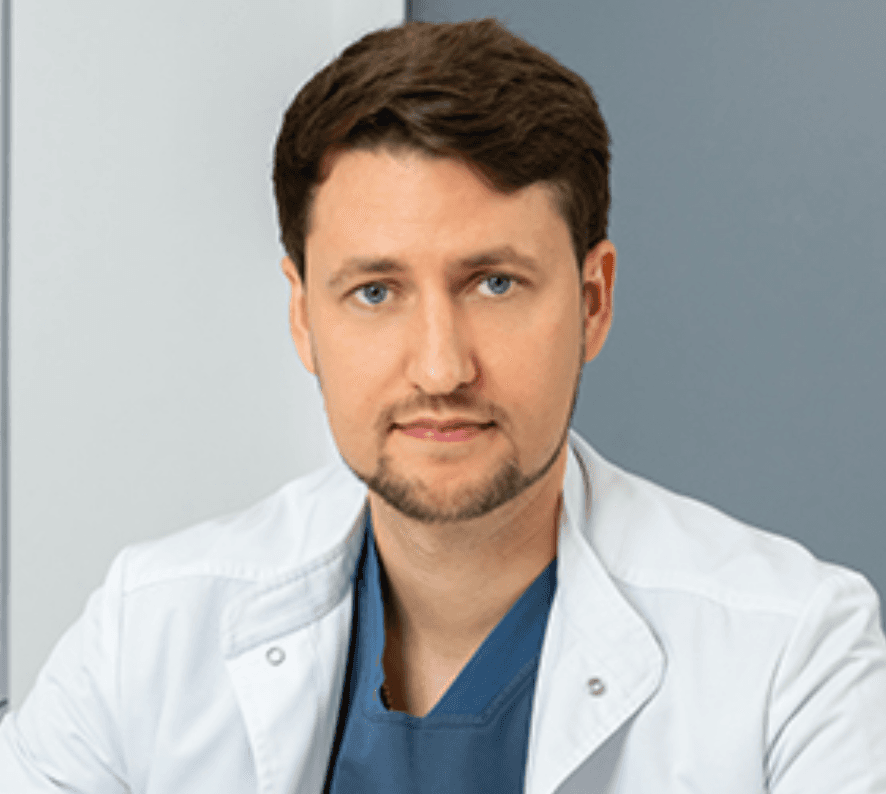
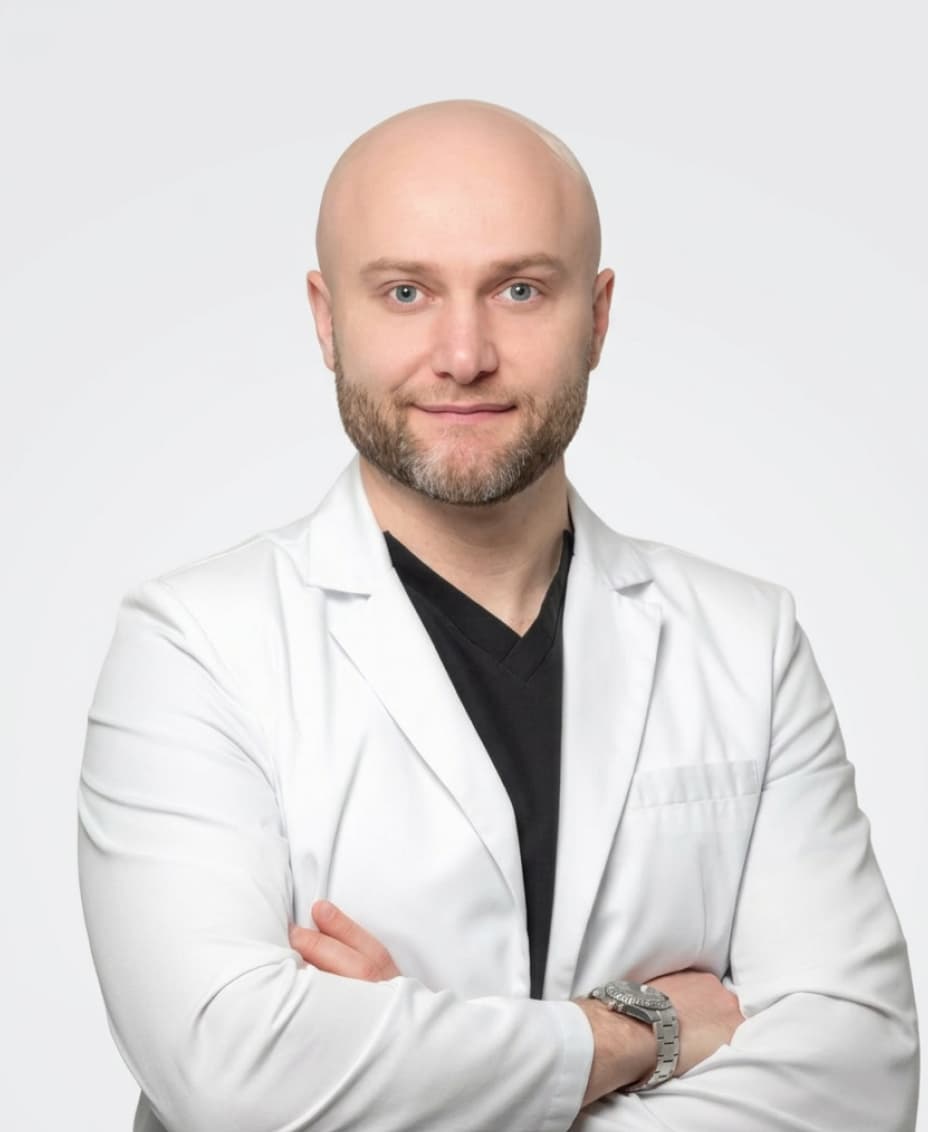
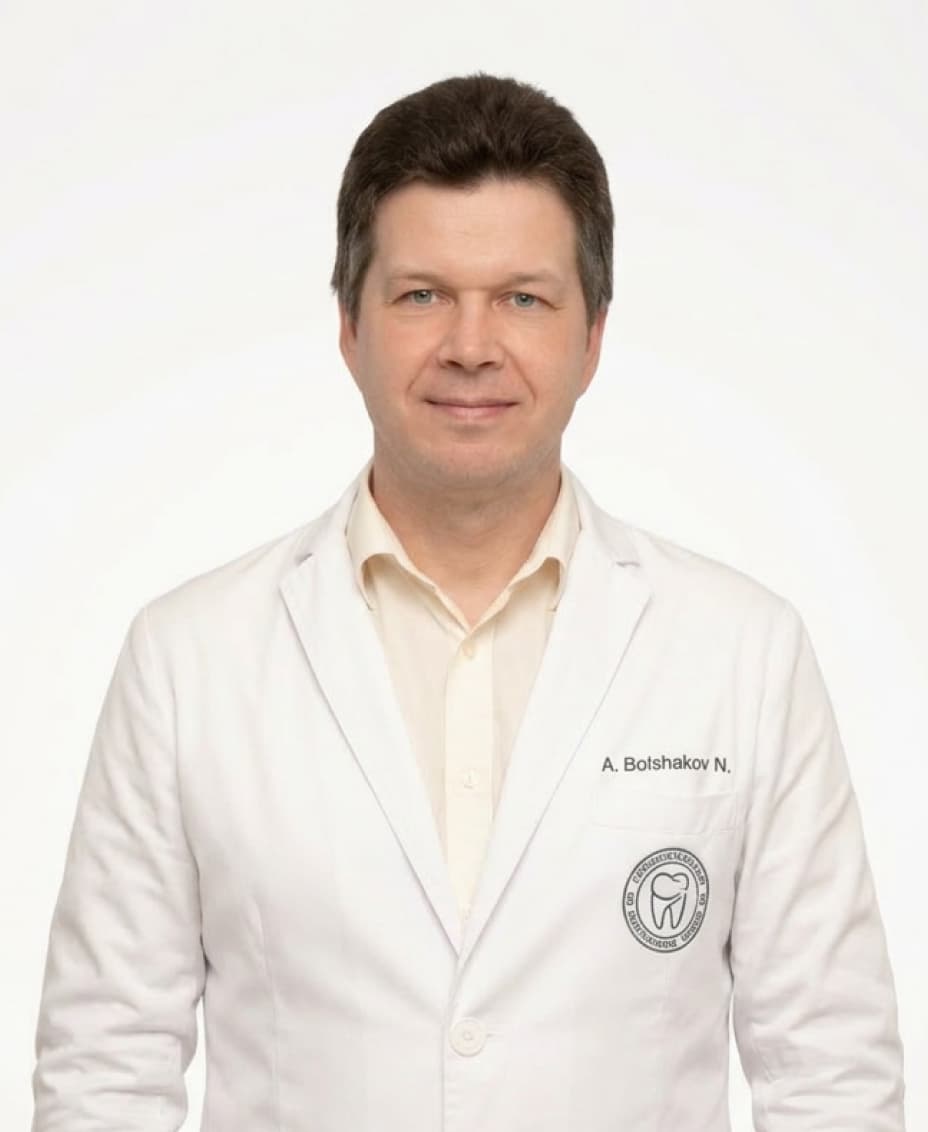
A team that continues the traditions of Professor A.I. Nerobeev's school. Our specialists not only practice but also teach, developing unique techniques in reconstructive and aesthetic medicine.


Leave your number and we will contact you