 My Account
 +7 (495) 129 37 00
 st. Derbenevskaya, 9
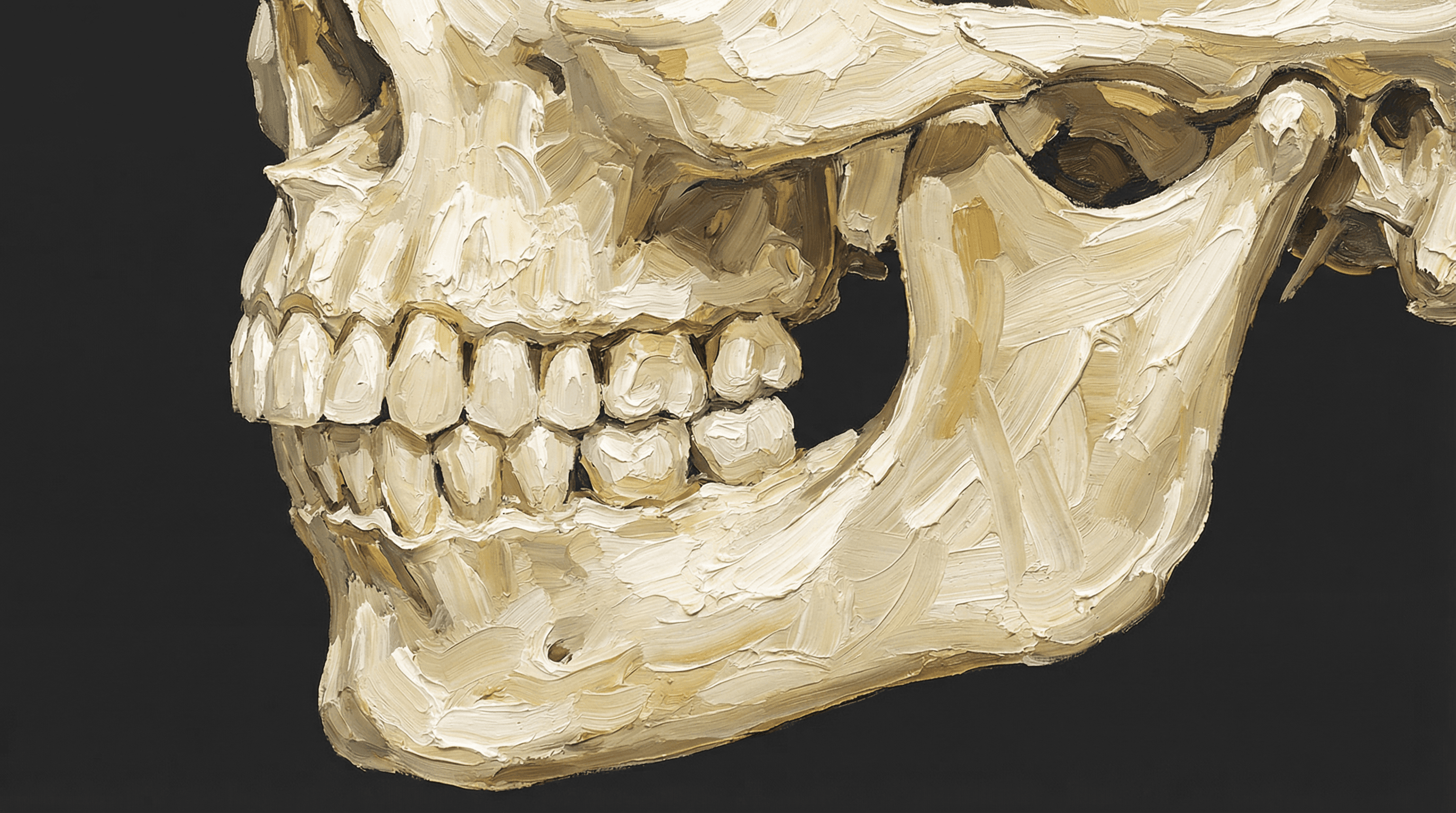
Orthognathic Surgery
Jaw position correction for malocclusion using osteotomy and titanium plates.
Osteotomy of Lower and Upper Jaw
Surgical bone cutting and repositioning of jaws fixed with titanium plates.
Available sections:
Orthognathic Surgery
Orthognathic surgery is a field of maxillofacial surgery that corrects the position of the bones of the facial skeleton. It addresses concerns that cannot be solved by orthodontics or aesthetic surgery alone: it restores proper bite, corrects functional disorders of chewing and speech, and at the same time changes facial proportions.
At Iskusstvo Clinic in Moscow, orthognathic procedures are performed by surgeons trained in the school of Professor A.I. Nerobeev, specialists with experience in managing the most complex anomalies of the facial skeleton.
Patients in this field often live for years with the feeling that “something is not right”: it is uncomfortable to chew, difficult to pronounce certain sounds, and the face appears unbalanced. Orthodontic treatment can improve the position of the teeth, but it cannot move the bone. This is where the work of an orthognathic surgeon begins.
When Orthognathic Surgery Is Needed
Skeletal bite anomalies, where the lower or upper jaw is significantly displaced from its normal position
Open bite, where the front teeth do not meet when the mouth is closed
Crossbite, where the upper and lower dental arches do not match in width
Pronounced prognathism, or a protruding lower jaw, or retrognathia, meaning a recessed lower jaw
Upper jaw anomalies, including protrusion or underdevelopment
Breathing disorders associated with abnormal jaw position, including sleep apnea syndrome
Disproportions of the facial skeleton, including mismatch in the size and position of the upper face, lower face, and chin
Consequences of congenital anomalies, such as clefts and branchial arch syndromes, and trauma
Four Directions
Correction of Bite Anomalies
Surgical correction of skeletal bite disorders that cannot be treated with orthodontics alone. It is performed together with an orthodontist, usually after preoperative orthodontic preparation.
Osteotomy of the Lower and Upper Jaw
Surgical cutting and repositioning of the jaws into the required position with fixation using titanium plates. The procedure may be performed on one jaw or both jaws at the same time, known as bimaxillary surgery, depending on the nature of the anomaly.
Genioplasty
Correction of the position and shape of the chin, either as an independent procedure or as the final stage of orthognathic treatment. It allows precise adjustment of the proportions of the lower third of the face.
Correction of Facial Skeleton Disproportions
Comprehensive facial correction in cases of disproportion between different facial areas, not only in the bite area, but also in the midface, cheekbone area, and orbits. This is the most complex and individualized type of orthognathic intervention.
Orthognathic Surgery and Orthodontics: Joint Work
Orthognathic surgery is not a standalone method, but part of comprehensive treatment. It always includes three stages: preoperative orthodontics, which prepares the dental arches and takes 6 to 18 months; the surgical stage; and postoperative orthodontics, which takes 3 to 6 months to refine the bite.
The surgeon and orthodontist work according to one shared plan. At Iskusstvo Clinic, both specialists are available within one space.
Digital modeling is used at the planning stage. Based on CT imaging of the facial skeleton and plaster or digital dental models, a three-dimensional model of the future result is created. This allows the surgeon and the patient to see the expected changes before surgery.
Result
Orthognathic surgery changes several aspects of the patient’s life at once.
Functionally, chewing is normalized, speech becomes easier, and in some anomalies breathing improves.
Aesthetically, facial proportions become more balanced, often without any additional plastic surgery.
Psychologically, many patients report a significant improvement in self-perception after completing treatment.
Why Choose Iskusstvo Clinic
The Nerobeev School and Reconstructive Experience
Orthognathic procedures for complex anomalies, including congenital, post-traumatic, and cleft-related cases, require reconstructive expertise. This expertise is the foundation of the clinic’s school.
Joint Work of Surgeon and Orthodontist
Planning and patient management within one space reduces treatment time and lowers the risk of inconsistent decisions.
Digital Planning
CT-based modeling makes it possible to accurately plan the extent of jaw movement and discuss the result with the patient before surgery.
Frequently Asked Questions
How Do I Know Whether I Need Orthognathic Surgery or Whether Orthodontics Is Enough?
The key question is whether the problem is in the bones or in the teeth. Orthodontics moves the teeth. If the problem lies in the position of the bone itself, braces cannot move it.
A precise answer is given during a joint consultation with the surgeon and orthodontist, with analysis of CT imaging and cephalometric X-ray.
At What Age Can Orthognathic Surgery Be Performed?
As a rule, surgery is performed after facial skeleton growth is complete: at 16–18 years for girls and 18–20 years for boys.
In cases of functional disorders, such as breathing difficulty, exceptions are possible. The final age is determined by the surgeon together with the orthodontist.
Is There Pain After Jaw Surgery?
Pain is usually moderate and well controlled with pain medication. The main discomfort is facial swelling, which is most pronounced during the first 3–5 days and gradually decreases over 2–4 weeks.
The specific prognosis is discussed with the surgeon during the consultation.
How Long Does the Entire Treatment Take from Start to Finish?
On average, from 18 months.
OUR SPECIALISTS
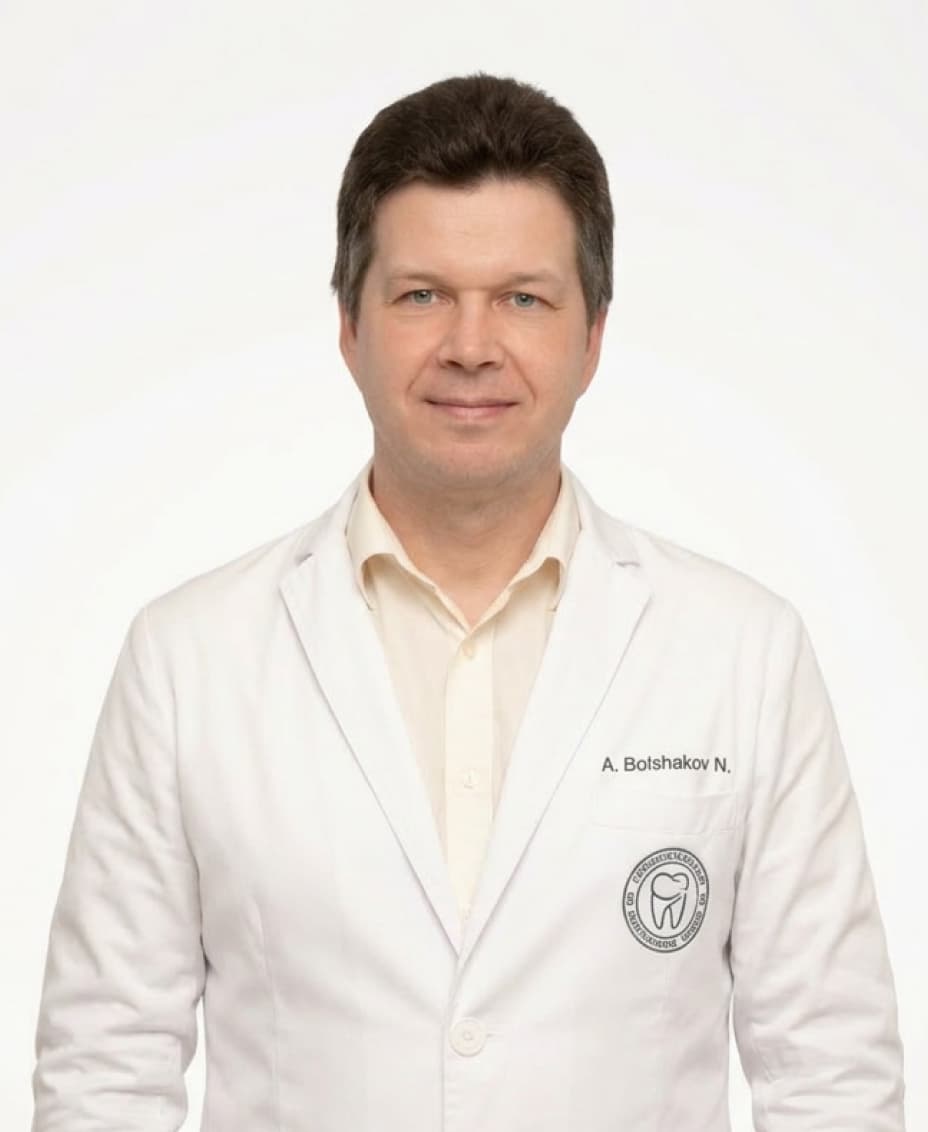
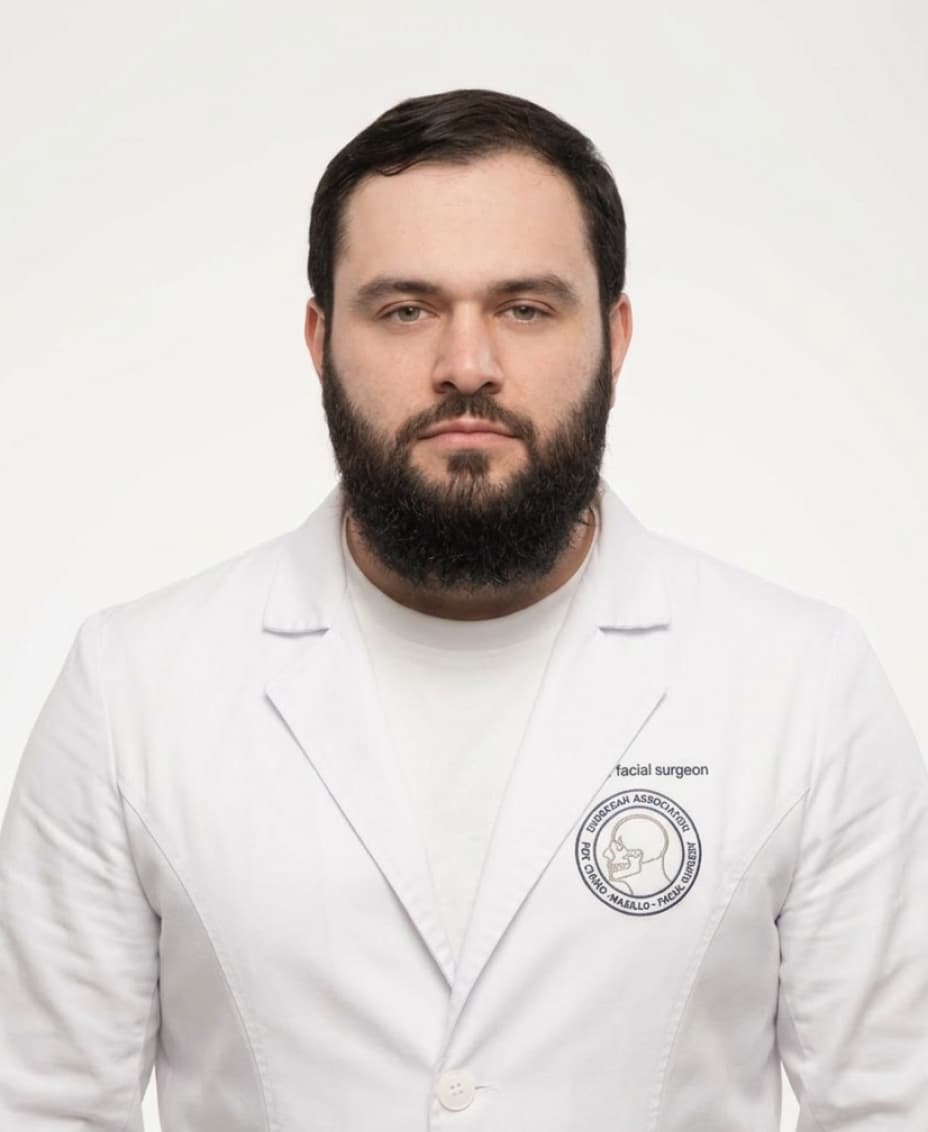
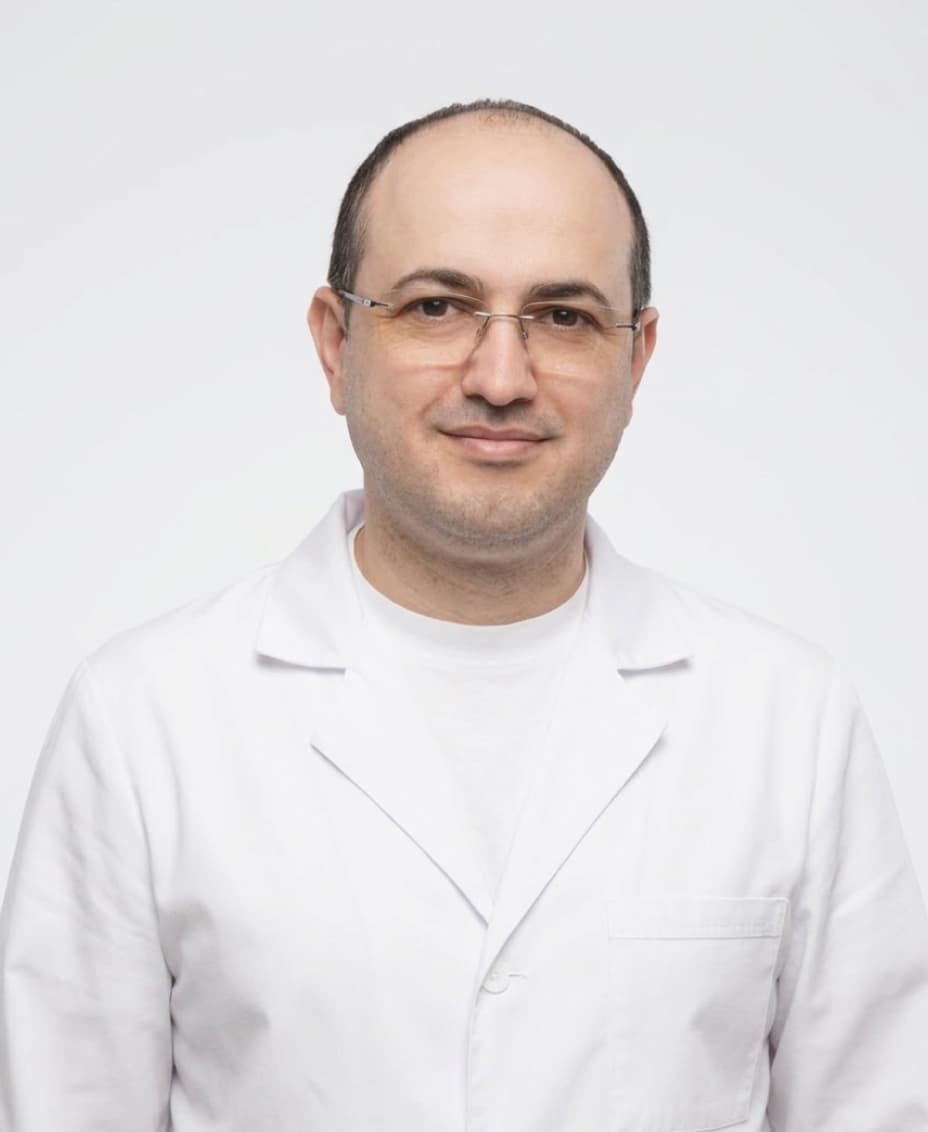
A team that continues the traditions of Professor A.I. Nerobeev's school. Our specialists not only practice but also teach, developing unique techniques in reconstructive and aesthetic medicine.

Leave your number and we will contact you