 My Account
 +7 (495) 129 37 00
 st. Derbenevskaya, 9
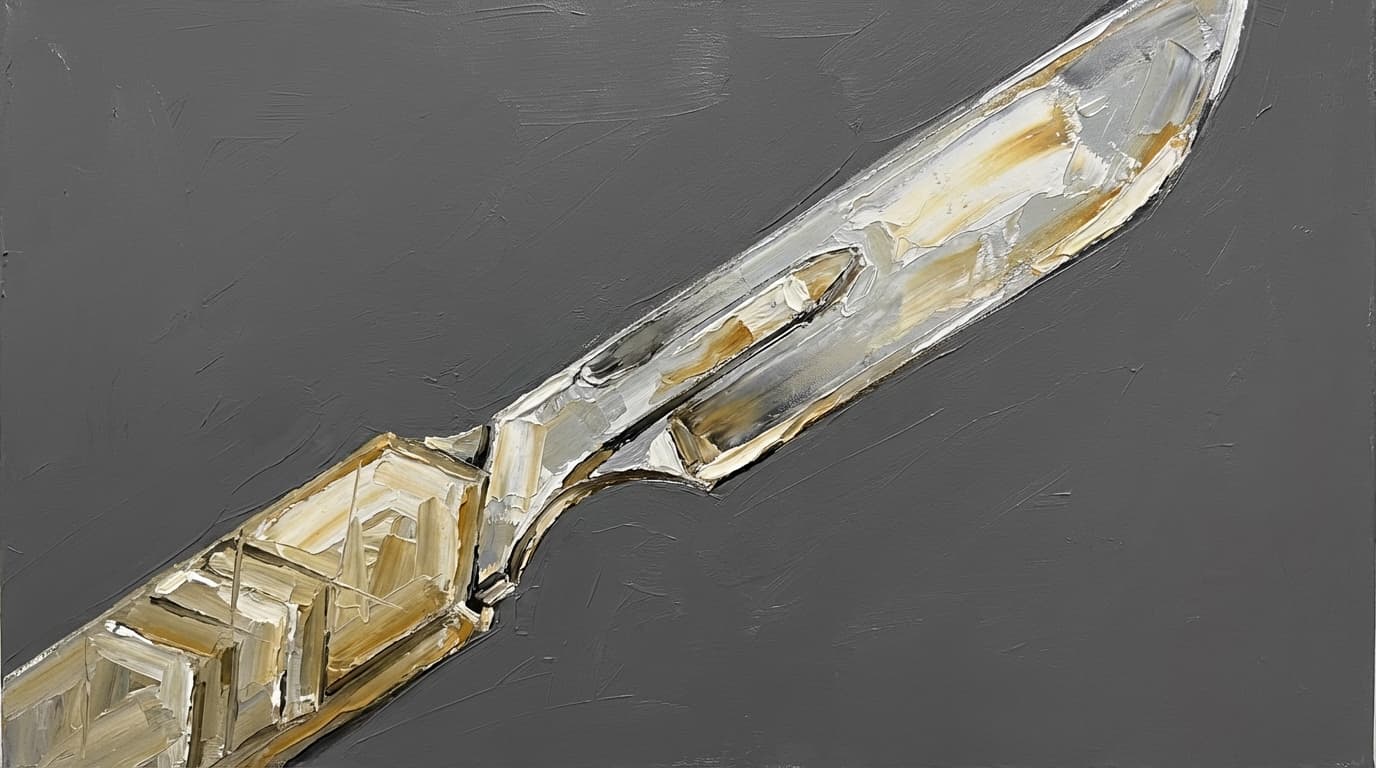
Oncological Surgery of the Maxillofacial Area
Removal of Benign Tumors of Jaws, Facial/Neck Soft Tissues, Salivary Glands
Removal of tumors minimally invasively with cosmetic suturing.
Available sections:
Maxillofacial Oncologic Surgery
A diagnosis involving a tumor in the face or neck area is always stressful. Fear of surgery, fear of how the face will look afterward, fear of possible speech or swallowing problems — all of this is real, and the surgeons at Iskusstvo Clinic understand it. That is why maxillofacial oncologic surgery at the clinic in Moscow is not only about removing a lesion, but also about restoration: form, function, and the person’s appearance.
Surgeons trained in the school of Professor A.I. Nerobeev have been treating tumors in this area for many years. The clinic’s reconstructive expertise, including microsurgical technologies, makes it possible not only to remove the lesion, but also to restore the tissue defect that remains after surgery. This is especially important in extensive resections, when restoration requires complex plastic surgery solutions.
What We Treat
Within maxillofacial oncologic surgery, the clinic performs four types of procedures.
Removal of Benign Tumors
This includes tumors of the jaws, such as ameloblastoma and odontogenic tumors, tumors of the soft tissues of the face and neck, and tumors of the salivary glands, including the parotid gland, submandibular gland, and minor salivary glands.
Benign tumors do not metastasize, but they grow, deform tissues, and impair function. For this reason, they require removal.
Removal of Congenital Lesions
Cysts, sinuses, and fistulas in the head and neck area include midline neck cysts, lateral neck cysts, dermoid and epidermoid cysts, and congenital fistulas.
Although these lesions are not malignant, they are prone to inflammation and suppuration. Planned removal is therefore preferable to treating complications.
Treatment of Vascular Lesions of the Head and Neck
Vascular malformations, telangiectasias, and chemodectomas are a group of conditions requiring a specialized approach.
Some of them can be treated with sclerotherapy or laser treatment, while others require surgical excision, sometimes with preliminary embolization.
Treatment of Neurofibromatosis
Neurofibromatosis type I, or Recklinghausen disease, can lead to multiple neurofibromas on the face and neck and significant tissue deformation.
Surgical treatment is aimed at removing individual lesions and correcting deformity, taking into account the tendency of the disease to recur.
Oncologic Surgery and Reconstruction as One Process
Tumor removal is only the first task. The second is closure of the defect that remains after resection.
Depending on the size and location of the defect, different methods are used: local tissue plastic surgery, transferred flaps, and, in extensive defects, microsurgical reconstruction with free flaps.
Reconstruction planning begins before surgery, so that the patient understands what will happen to the face not only on the day of the operation, but also one month and one year later.
Collaboration with an Oncologist
In malignant tumors, the treatment plan is developed together with an oncologist. The maxillofacial surgeon is responsible for the surgical and reconstructive stages. Radiation therapy and drug therapy, if indicated, are managed by the oncologist.
The clinic is ready to collaborate with external oncological institutions.
Why Choose Iskusstvo Clinic
Reconstructive Expertise
After removal of extensive tumors, complex reconstruction may be required, including microsurgical flaps and bone grafting. This is precisely the area in which surgeons trained in the Nerobeev school have the greatest experience.
Experience with Complex Cases
The clinic takes on cases that other institutions may refuse: extensive tumors, repeat operations, and complex anatomical locations.
Understanding the Patient
The clinic’s surgeons speak honestly with oncologic patients: about the diagnosis, what will happen after surgery, and realistic expectations. This is more important than beautiful words.
Frequently Asked Questions
Is It Always Necessary to Remove a Benign Tumor?
Not always. It depends on the size, location, and growth rate. However, most benign maxillofacial lesions are recommended for removal: they grow, compress neighboring structures, and may become inflamed.
Some tumors, such as ameloblastoma, tend to grow in a locally destructive manner and require radical removal. The decision is made after diagnostics.
Can Reconstruction Be Performed at the Same Time as Tumor Removal?
In many cases, yes. Immediate reconstruction reduces the total number of operations and allows the patient to leave the operating room with the defect already closed.
In malignant tumors, the possibility of immediate reconstruction is discussed with the oncologist.
How Long Is Recovery After Surgery for a Tumor of the Face or Neck?
It depends on the scope of surgery. After small procedures, discharge usually takes place after 3–5 days, with return to work in 1–2 weeks.
After extensive resections with reconstruction, hospitalization may last 10–14 days, and full recovery may take several months. Specific timelines are discussed with the surgeon.
Will the Surgery Leave Visible Scars?
The surgeon plans access points in a way that minimizes visible scars. Whenever possible, natural facial folds, intraoral access, and the hairline are used.
In extensive operations with reconstruction, scars are inevitable, but their location and visibility are planned in advance.
Book a Consultation
Book a consultation. The surgeon will review the situation, answer your questions, and explain the possibilities for treatment and restoration.
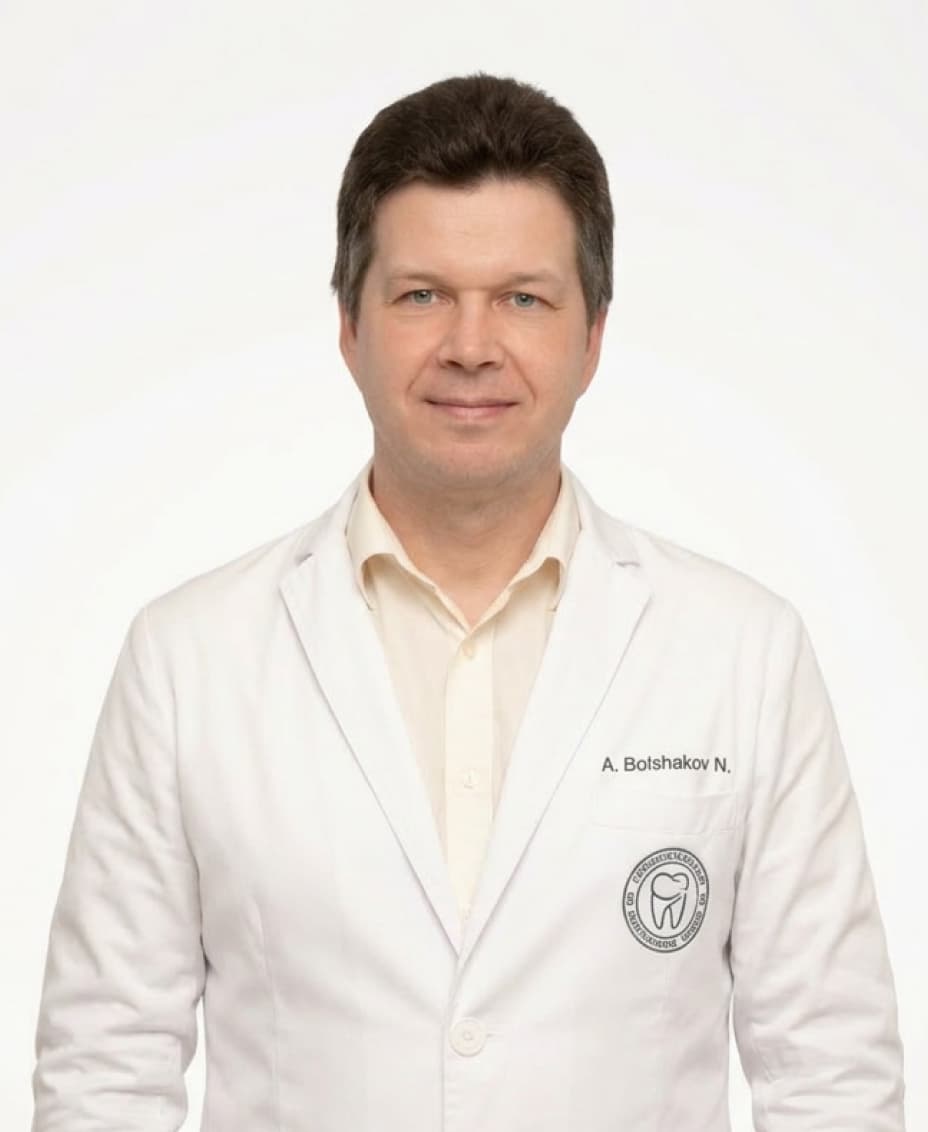
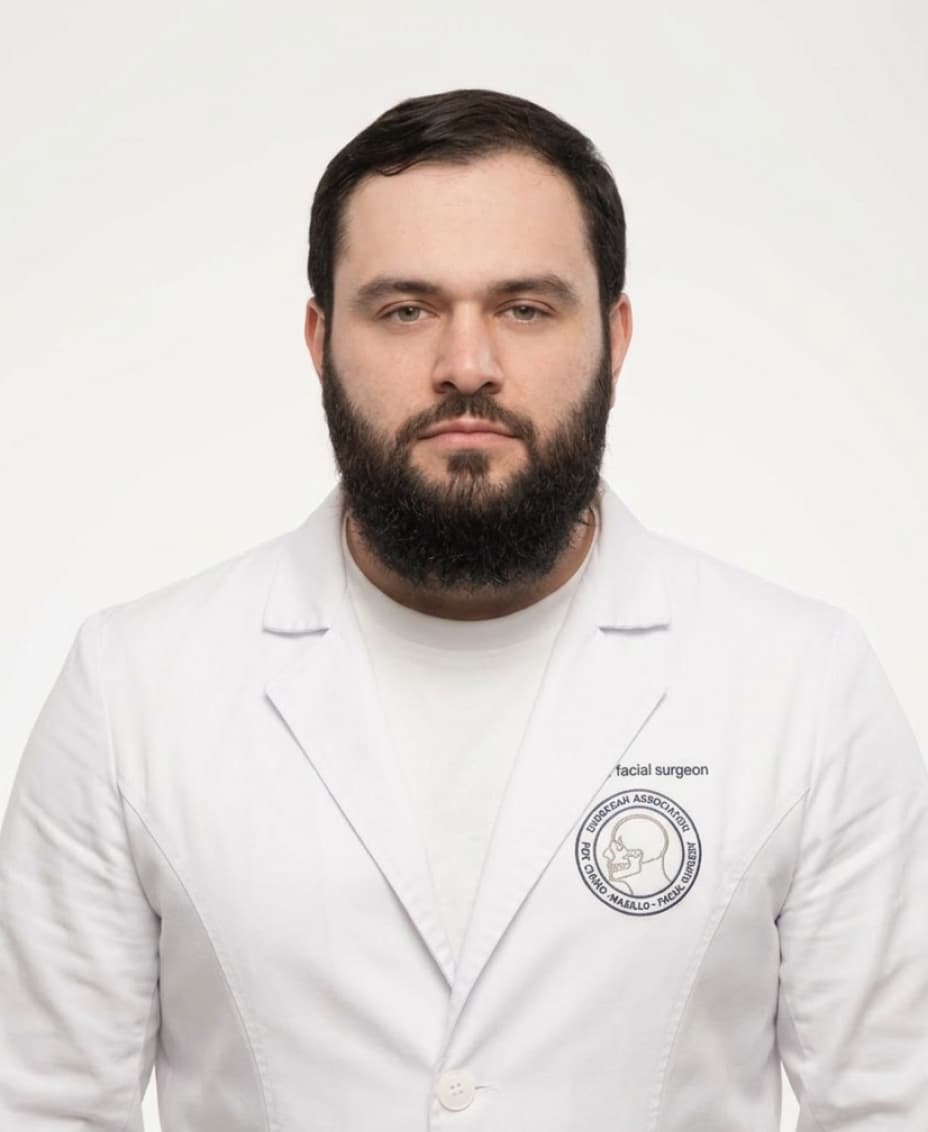
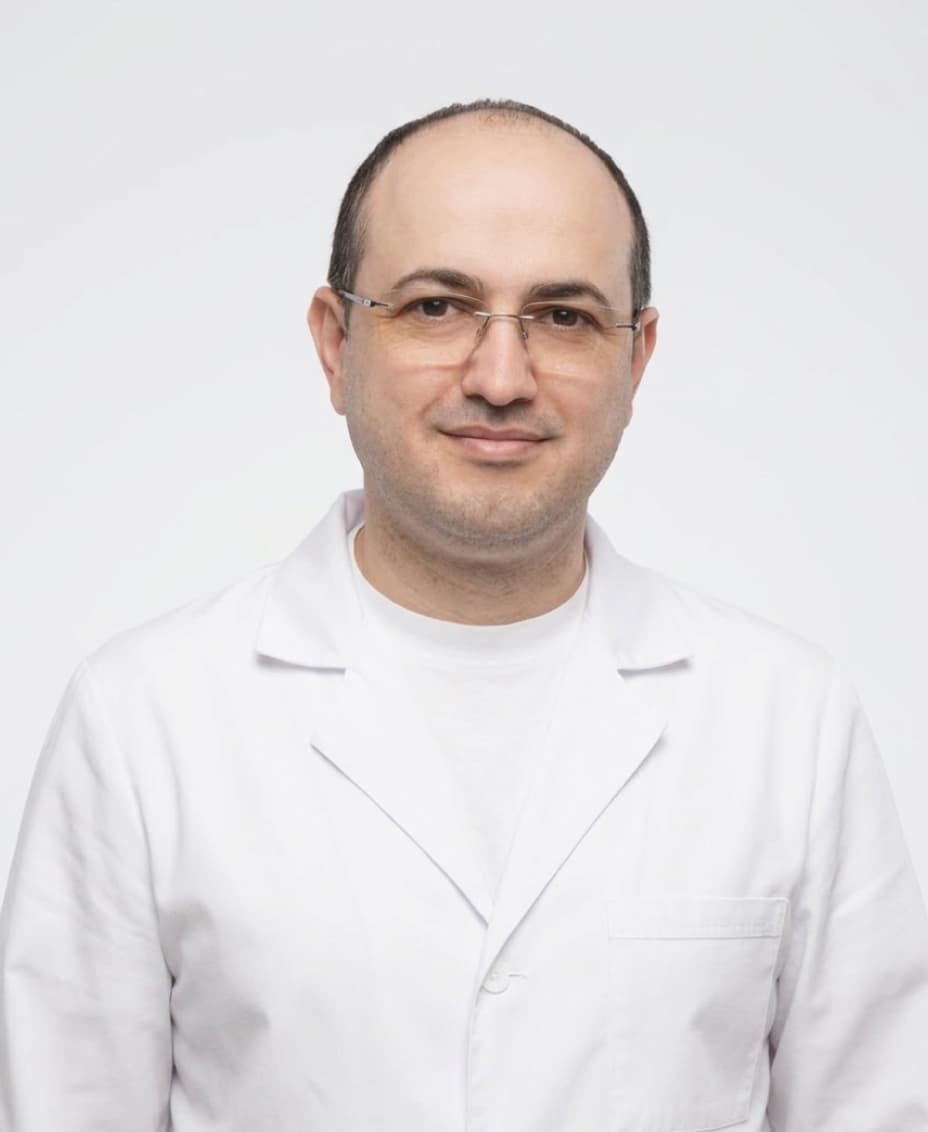
OUR SPECIALISTS
A team that continues the traditions of Professor A.I. Nerobeev's school. Our specialists not only practice but also teach, developing unique techniques in reconstructive and aesthetic medicine.

Leave your number and we will contact you