 My Account
 +7 (495) 129 37 00
 st. Derbenevskaya, 9
Treatment of Neurofibromatosis (Neurofibroma Removal, Tissue Deformity Correction)
Removal of neurofibromas minimally invasively with cosmetic suturing.
Available sections:
Treatment of Neurofibromatosis
Removal of Neurofibromas and Correction of Tissue Deformity
Neurofibromatosis type I, or Recklinghausen disease, is a hereditary condition in which multiple neurofibromas develop throughout the body, including in the face and neck. These are benign tumors arising from the sheaths of peripheral nerves.
In severe cases, neurofibromas in the facial area may reach significant size and cause pronounced deformity, including asymmetry, eyelid ptosis, and deformity of the nose and cheeks. This affects not only appearance, but also function: vision, chewing, and speech may become difficult.
At Iskusstvo Clinic in Moscow, surgical treatment of neurofibromatosis is aimed at removing individual lesions and correcting deformity, with a realistic understanding that the disease is systemic and requires long-term follow-up.
Features of the Disease
Neurofibromatosis type I is a chronic progressive disease. Surgical treatment does not eliminate the cause, but it can:
Remove large or functionally significant neurofibromas
Correct facial deformity that impairs vision, chewing, or breathing
Improve appearance and quality of life
Prevent malignant transformation when malignant change is suspected, such as malignant peripheral nerve sheath tumor
It is important to understand that neurofibromas may recur after removal, and new lesions may continue to appear. This is taken into account when planning treatment: the surgeon and patient jointly determine which lesions should be removed first and for what indications.
Indications for Surgery
Large neurofibromas deforming the face
Neurofibromas compressing orbital structures and impairing vision
Lesions in the nose or mouth area that make breathing, chewing, or speech difficult
Plexiform neurofibromas, diffuse lesions spreading between tissues
Suspicion of malignant transformation: rapid growth, pain, neurological symptoms
Pronounced cosmetic defect affecting quality of life
Surgical Treatment
Removal of Individual Neurofibromas
Small and medium-sized neurofibromas are removed surgically under local or general anesthesia. The neurofibroma capsule is separated from the surrounding tissues, whenever possible with preservation of the nerve fiber.
The postoperative scar is planned along natural facial folds.
Removal of Plexiform Neurofibromas
Plexiform neurofibromas are the most complex surgical target. They diffusely penetrate several tissue layers and are closely connected with nerve trunks and vessels.
Complete removal is often impossible without significant damage to function. The surgeon’s task is to reduce the volume of deformity as much as possible while preserving important nerves and vessels.
Reconstructive Procedures
In pronounced deformities, such as upper eyelid ptosis, nasal deformity, or facial asymmetry, a reconstructive stage is performed after neurofibroma removal: eyelid position correction, nasal plastic surgery, and tissue transfer to restore facial symmetry.
Features of Anesthesia
Patients with neurofibromatosis often have anatomical airway features that require special attention from the anesthesiologist. For extensive facial operations, careful preoperative assessment and an individual anesthesia plan are required.
Rehabilitation
After removal of small neurofibromas, the patient is discharged on the day of surgery or the following day.
After extensive operations with reconstruction, hospitalization usually lasts 5–10 days.
Long-term follow-up with the surgeon is necessary to monitor the growth of new lesions and determine in time whether repeat interventions are needed.
Contraindications
Contraindications include severe systemic diseases in the stage of decompensation and uncorrectable blood clotting disorders.
The decision on whether surgery is possible and what scope is appropriate is made by the surgeon after a complete examination, taking into account systemic manifestations of the disease.
Frequently Asked Questions
Can All Neurofibromas Be Removed at Once?
As a rule, no. In multiple neurofibromatosis, lesions are removed step by step, starting with the largest, most functionally significant, or most cosmetically concerning lesions.
Complete removal of all lesions in a single operation is neither appropriate nor technically possible.
Will Neurofibromas Grow Again After Surgery?
Removed neurofibromas may recur, and new lesions may continue to appear as the disease progresses. This is part of the nature of the disease, and the surgeon explains it honestly to the patient in advance.
Treatment does not stop the disease, but it makes it possible to manage its manifestations.
At What Age Can a Child with Neurofibromatosis Be Operated On?
Indications for surgery in a child include functional impairment, such as compression of the eye or breathing problems, or rapid growth of a lesion.
Planned operations for cosmetic indications are usually recommended no earlier than the age of 5–7 years.
The specific age is determined individually by the surgeon.
What Should I Do If a Neurofibroma Starts Growing Rapidly or Becomes Painful?
These are warning signs of possible malignant transformation. It is necessary to consult a surgeon urgently for examination and, if needed, urgent removal with morphological analysis.
Book a Consultation
Book a consultation. The surgeon will assess the situation, determine treatment priorities, and create a long-term plan.
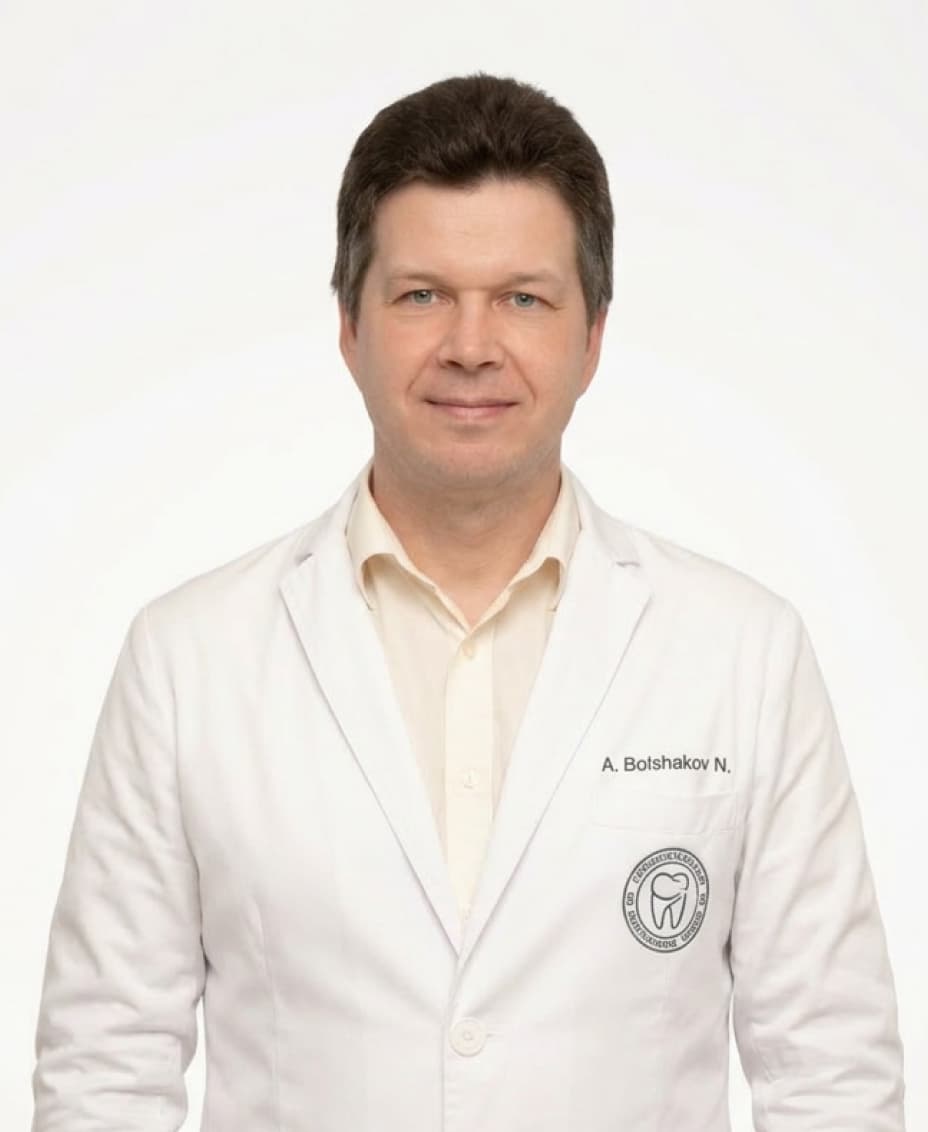
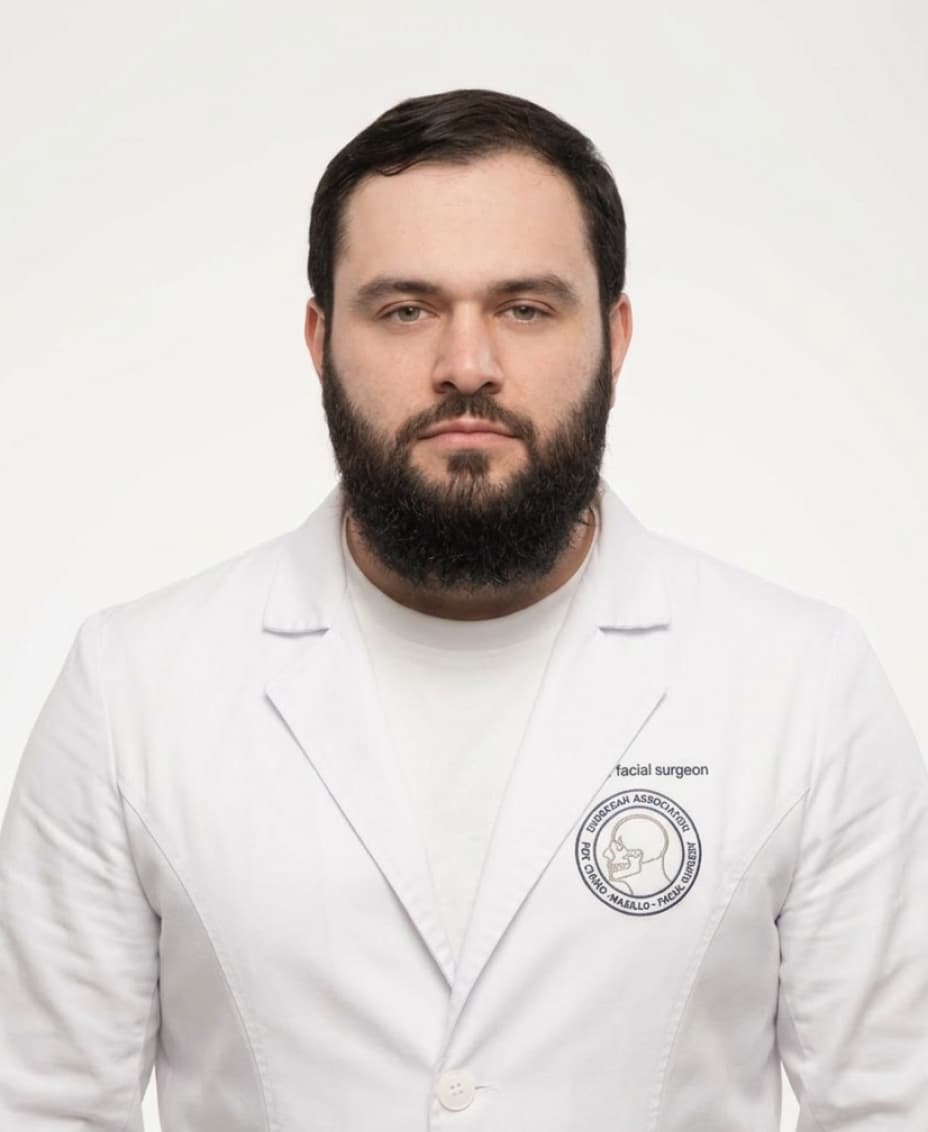
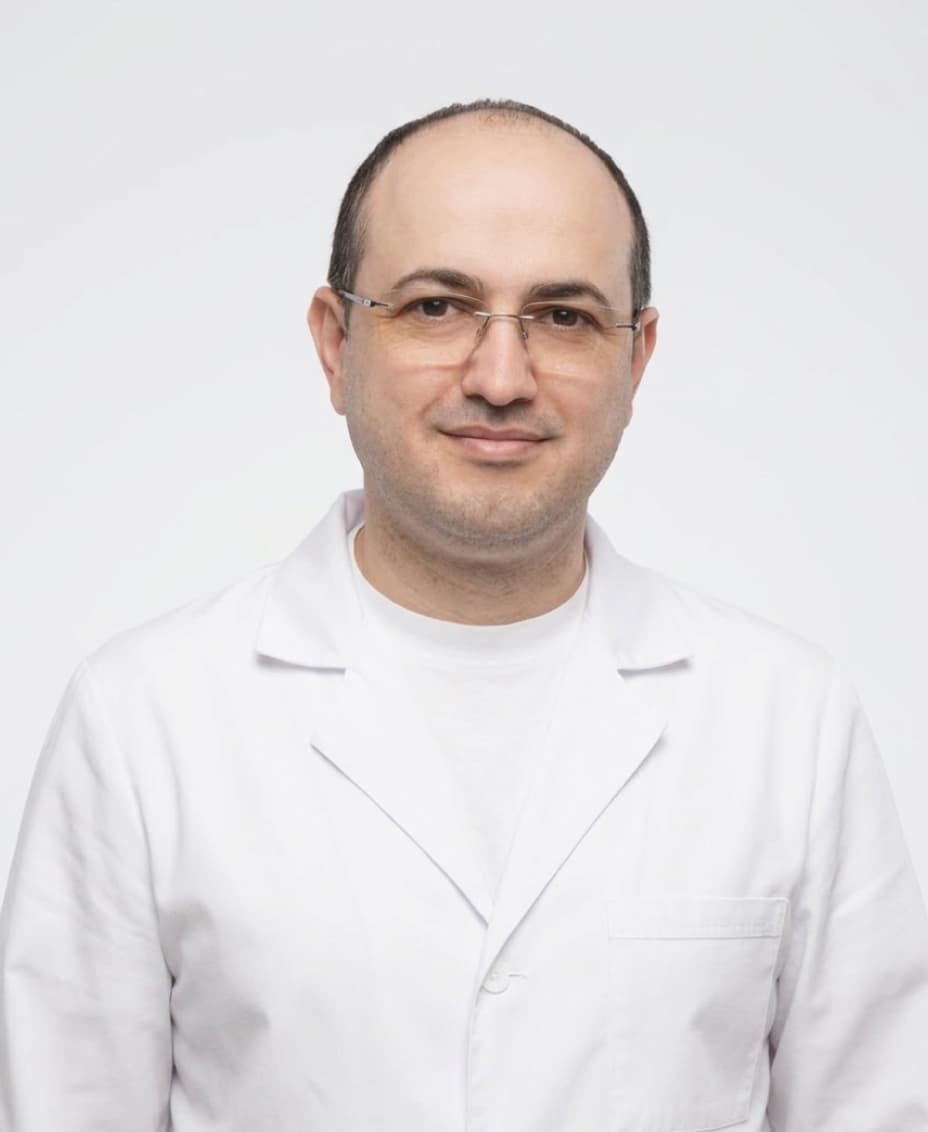
OUR SPECIALISTS
A team that continues the traditions of Professor A.I. Nerobeev's school. Our specialists not only practice but also teach, developing unique techniques in reconstructive and aesthetic medicine.

Leave your number and we will contact you