 My Account
 +7 (495) 129 37 00
 st. Derbenevskaya, 9

Removal of Benign Tumors of Jaws, Facial/Neck Soft Tissues, Salivary Glands
Removal of tumors minimally invasively with cosmetic suturing.
Available sections:
Removal of Benign Tumors of the Jaws, Facial and Neck Soft Tissues, and Salivary Glands
Benign tumors in the face, neck, and jaws do not metastasize, but this does not mean they can be ignored. They grow, deform surrounding tissues, compress nerves and vessels, and may impair chewing, swallowing, or mouth opening. Some, such as ameloblastoma, have locally destructive growth and destroy bone.
Planned surgical removal is preferable to treating complications. At Iskusstvo Clinic in Moscow, these operations are performed by surgeons with experience in reconstructive surgery, which is especially important in salivary gland tumors, where the facial nerve passes nearby.
What Tumors We Remove
Jaw Tumors
Ameloblastoma: the most common benign odontogenic tumor, prone to recurrence. It requires radical removal with a margin of healthy tissue.
Odontogenic tumors and tumor-like lesions: odontoma, cementoma, myxoma, osteoblastoma
Giant cell tumor, or osteoclastoma, of the lower or upper jaw
Cherubism: a rare hereditary disease with characteristic bilateral enlargement of the jaws
Soft Tissue Tumors of the Face and Neck
Lipoma: a benign tumor of fatty tissue
Fibroma: a tumor of connective tissue
Hemangioma: a vascular tumor, more common in children
Lymphangioma: a tumor of lymphatic vessels
Neurofibroma: a tumor arising from the sheaths of peripheral nerves
Paraganglioma, or chemodectoma: a tumor arising from chemoreceptor tissue
Pleomorphic adenoma and other mixed soft tissue tumors
Salivary Gland Tumors
The salivary glands are a common site for both benign and malignant tumors. The most common benign tumor is pleomorphic adenoma, or mixed tumor, of the parotid gland. With long-term presence, it may become malignant, so removal is recommended.
Operations on the parotid gland, or parotidectomy, are technically complex because of the proximity of the facial nerve, whose branches pass through the gland. The clinic’s surgeons have special experience working with the facial nerve and perform parotidectomy with intraoperative monitoring and preservation of the nerve.
Diagnostics Before Surgery
For surgical planning, ultrasound, CT, or MRI is performed, depending on the location and nature of the tumor. If necessary, fine-needle aspiration biopsy, or FNAB, is used to clarify the nature of the lesion.
For jaw tumors, orthopantomography and CT imaging of the bones are mandatory.
Course of Surgery and Reconstruction
The scope of surgery depends on the size, location, and nature of the tumor.
Small soft tissue lesions are removed during a 30–60-minute procedure under local or intravenous anesthesia.
Extensive jaw tumors that require bone resection are removed under general anesthesia, followed by reconstruction of the defect.
When removing tumors that have caused a tissue defect, reconstruction is planned in advance: local tissue plastic surgery may be used, while larger defects may require pedicled or free flaps with microsurgical anastomosis.
Rehabilitation
After small procedures, the patient is discharged on the day of surgery or the following day.
After extensive resections with reconstruction, hospitalization usually lasts 7–14 days.
The final result forms within 3–6 months.
Contraindications
Contraindications include severe systemic diseases in the stage of decompensation, uncorrectable blood clotting disorders, and active infectious processes.
The decision is made by the surgeon after examination.
Frequently Asked Questions
Can a Benign Tumor Be Observed Instead of Removed?
In some cases, yes. Small asymptomatic lesions may be monitored.
However, most benign tumors of the maxillofacial region continue to grow and will eventually require surgery, often with a larger scope. In addition, some of them are prone to malignant transformation.
The decision between surgery and observation is made after morphological verification.
Can the Facial Nerve Be Damaged During Removal of a Parotid Gland Tumor?
Preservation of the facial nerve is the priority in parotidectomy. The operation is performed with intraoperative neuromonitoring, which allows the surgeon to identify the nerve branches and avoid damaging them.
In benign tumors, the risk of permanent nerve damage is low and, according to the literature, is less than 1–3%.
Can a Benign Tumor Recur After Removal?
It depends on the tumor type. Ameloblastoma and pleomorphic adenoma are prone to recurrence if the scope of removal is insufficient, so the principles of radical removal are important in these cases.
When the tumor is completely removed within healthy tissues, recurrence is rare.
Book a Consultation
Book a consultation. The surgeon will review the examination results and recommend the optimal removal plan.
OUR SPECIALISTS
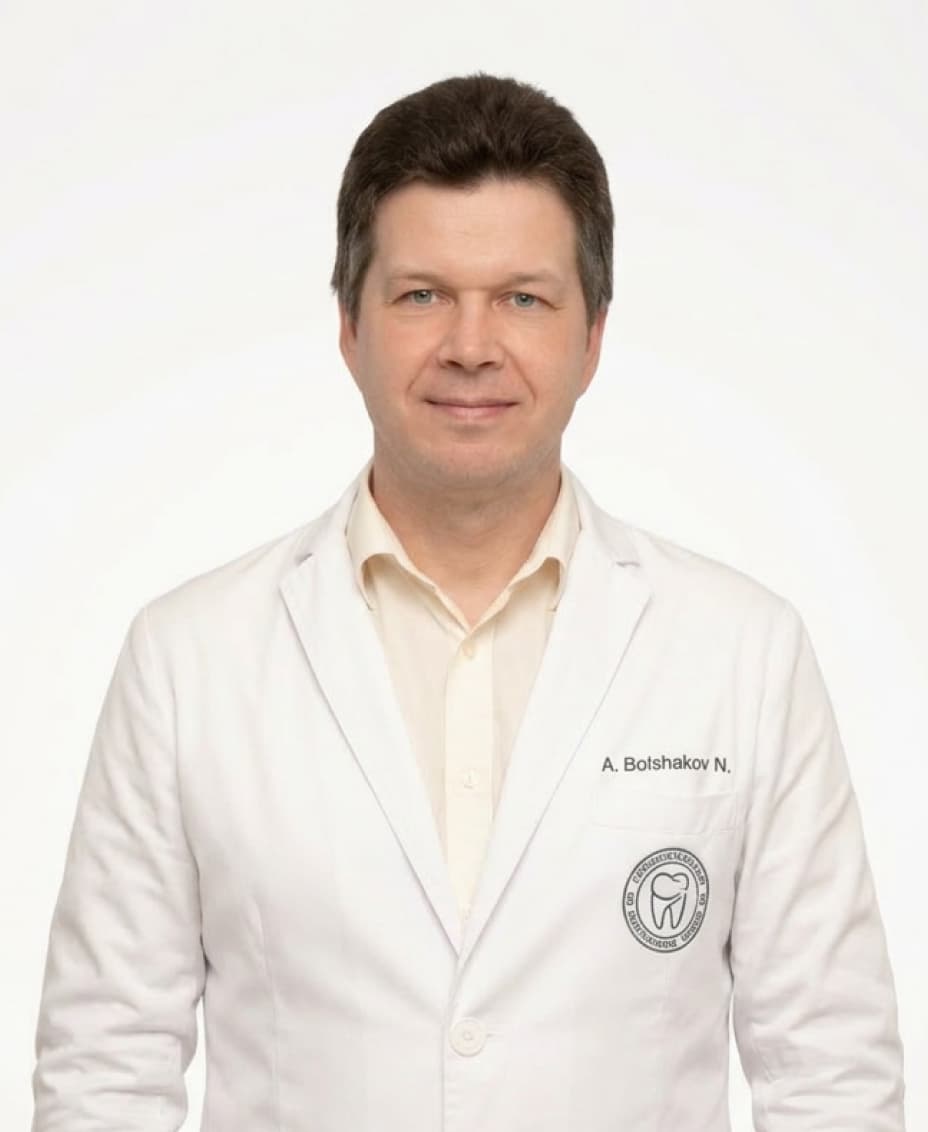
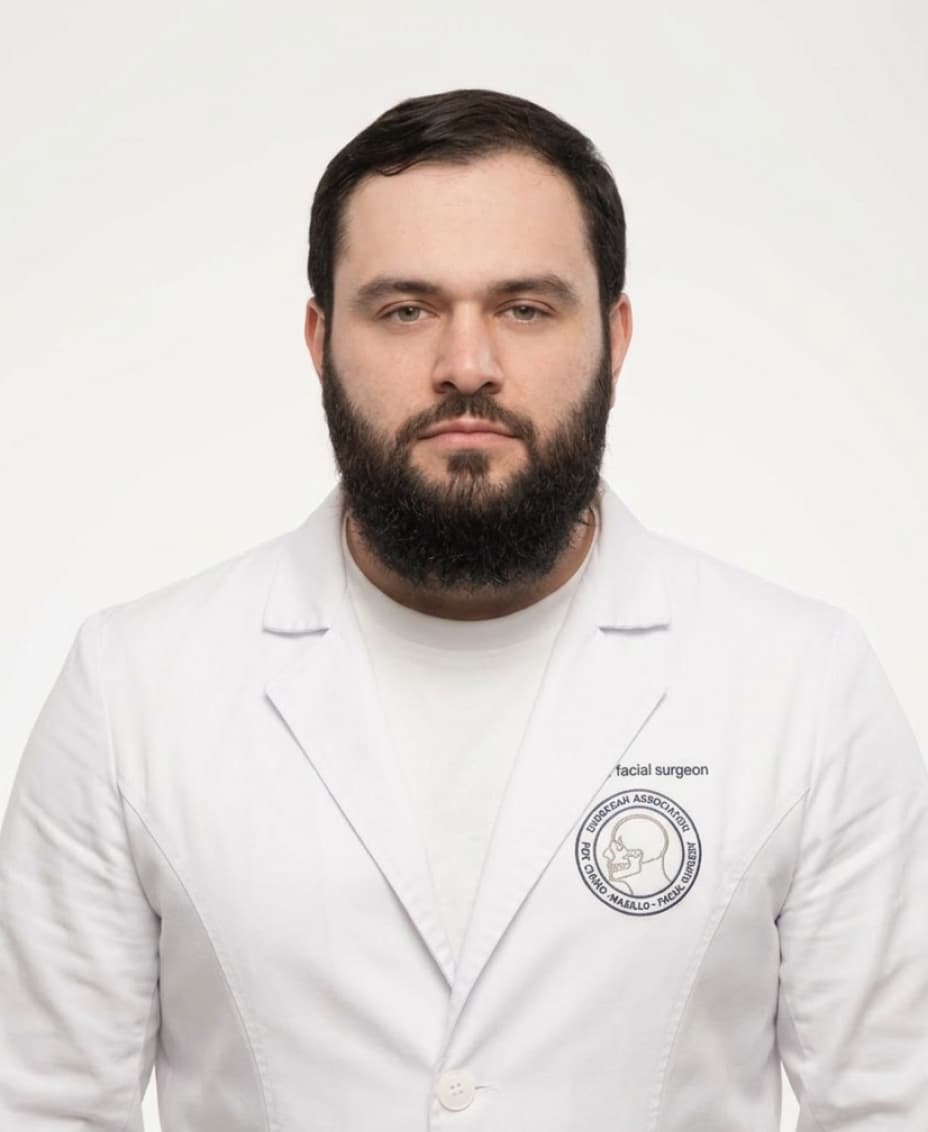
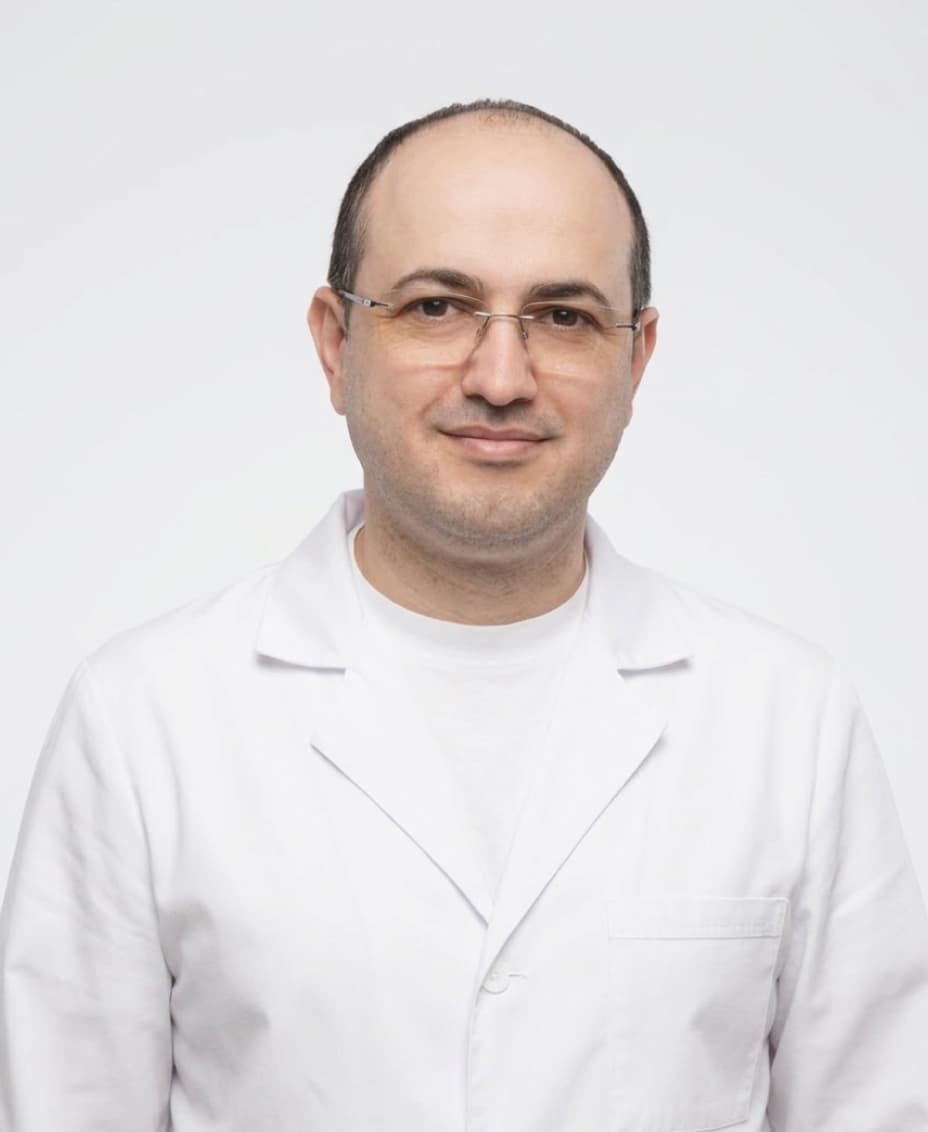
A team that continues the traditions of Professor A.I. Nerobeev's school. Our specialists not only practice but also teach, developing unique techniques in reconstructive and aesthetic medicine.

Leave your number and we will contact you