 My Account
 +7 (495) 129 37 00
 st. Derbenevskaya, 9
Breast Plastic Surgery (Mammoplasty)
Augmentation, lift, reduction or reconstruction for perfect shape, volume and symmetry — eliminating asymmetry, sagging, small/large sizes after childbirth, weight loss or aging.
Available sections:
Mammoplasty, or breast surgery, is a field of plastic surgery that includes procedures aimed at changing the shape, volume, and position of the breasts. The range of procedures includes breast augmentation with implants, reduction in cases of hypertrophy, lifting in cases of ptosis, reconstruction after mastectomy, and correction of congenital asymmetries.
At Iskusstvo Clinic in Moscow, mammoplasty is performed by surgeons trained in the school of Professor Nerobeev, combining aesthetic surgery with expertise in reconstructive and microsurgical techniques.
The philosophy of breast surgery at Iskusstvo Clinic is based on the principle of meaningful beauty: the result should be harmonious, proportionate to the patient’s body type, and natural both visually and to the touch. Each procedure is planned individually, taking into account the anatomy of the chest, tissue quality, the patient’s wishes, and the long-term perspective.
Indications
Aesthetic Indications
Micromastia, or insufficient breast volume
Ptosis, or sagging of the breasts after pregnancy, breastfeeding, weight loss, or age-related changes
Hypertrophy, or excessive breast volume, causing physical and psychological discomfort
Breast asymmetry in shape, volume, or position
Tubular breast shape
Dissatisfaction with the shape, size, or position of the nipple-areola complex
Gynecomastia in men, or enlargement of the male breast glands
Reconstructive Indications
Condition after mastectomy, or breast removal, due to oncological disease
Congenital breast development anomalies, including Poland syndrome and amastia
Capsular contracture, rupture, or displacement of previously placed implants
Types of Procedures and Methods
Augmentation Mammoplasty, or Breast Augmentation
Augmentation mammoplasty involves the placement of silicone or saline implants to increase breast volume. The size and shape of the implant, surgical access, and placement plane are selected individually.
Reduction Mammoplasty, or Breast Reduction
Reduction mammoplasty reduces breast volume by removing excess glandular and fatty tissue, as well as excess skin. It addresses both aesthetic and functional concerns, including back pain and limited physical activity.
Mastopexy, or Breast Lift
Mastopexy corrects breast ptosis by moving the nipple-areola complex to a higher position and remodeling the breast tissue. It may be performed with or without implants.
Correction of the Nipple-Areola Complex
This procedure changes the size, shape, and position of the areola and nipple. It includes areola reduction, correction of inverted nipples, and reduction of hypertrophic nipples.
Implant Removal or Replacement
This procedure involves removing previously placed implants, either at the patient’s request or due to capsular contracture or rupture. The implants may be replaced with new ones or removed without replacement, often with simultaneous mastopexy.
Breast Reconstruction
Breast reconstruction restores the breast after mastectomy using implants, expanders, autologous tissues, such as a DIEP flap or latissimus dorsi flap, or a combination of these methods. More information is available in the Breast Reconstruction section.
Gynecomastia Correction
Gynecomastia correction is surgical correction of enlarged male breast glands by removing glandular tissue, performing liposuction of fatty tissue, or combining both methods.
How the Procedure Is Performed
Breast surgery is performed in the inpatient facility of Iskusstvo Clinic under general anesthesia. Preoperative preparation includes a consultation with the surgeon, 3D modeling in cases of augmentation, mammography or breast ultrasound, standard laboratory tests, and a consultation with an anesthesiologist.
The duration of surgery varies: augmentation mammoplasty takes 1–2 hours, mastopexy takes 1.5–2.5 hours, reduction mammoplasty takes 2–3.5 hours, and gynecomastia correction takes 1–1.5 hours. The inpatient stay usually lasts from one to two days.
Rehabilitation
Compression garments are worn for 4–6 weeks. Sutures are removed on days 7–14, or absorbable sutures may be used. Physical activity involving the upper shoulder girdle is limited for 4–6 weeks.
The final result forms within 3–6 months as scars mature and tissues adapt. In implant-based procedures, this also includes the settling of the implant into its final position. Recovery timelines are individual.
Risks and Complications
Possible complications include hematoma, seroma, infection, asymmetry, changes in nipple sensitivity, unsatisfactory scarring, capsular contracture in implant-based procedures, and recurrence of ptosis. All potential risks are discussed in detail during the consultation.
Contraindications
Absolute Contraindications
Decompensated somatic diseases
Blood clotting disorders
Active oncological disease of the breasts, except in cases of reconstruction after mastectomy
Acute infectious diseases
Relative Contraindications
Planned pregnancy in the near future, in which case mammoplasty is recommended after breastfeeding is completed
Mastopathy or fibrocystic changes, requiring preliminary examination
Smoking, with cessation recommended 2–4 weeks before surgery
Pregnancy and breastfeeding
The final decision is made by the doctor.
Why Choose Iskusstvo Clinic
The School of Professor Nerobeev
The surgeons are skilled in both aesthetic and reconstructive breast surgery, including microsurgical tissue transfer, such as the DIEP flap.
Full Range of Procedures
The clinic performs everything from breast augmentation to complex reconstruction after mastectomy within one medical center.
Individual Approach
3D modeling is used to select the optimal implant size and shape, taking into account chest anatomy and the patient’s wishes.
Equipment
The clinic has 5 operating rooms, 12 inpatient rooms, and equipment at the level of leading federal medical centers.
Comprehensive Approach
Mammoplasty can be combined with abdominoplasty, liposuction, and other procedures for comprehensive body contouring.
Frequently Asked Questions
Can I Breastfeed After Mammoplasty?
In most cases, yes. In augmentation mammoplasty, the implant is placed behind the gland or behind the muscle and does not affect the milk ducts.
With mastopexy and reduction mammoplasty, partial disruption of the ducts is possible, but most patients retain the ability to breastfeed. The surgeon will discuss this issue during the consultation.
How Often Do Implants Need to Be Replaced?
Modern implants do not have a fixed expiration date. Replacement is required if complications develop, such as capsular contracture, rupture, or displacement, or if the patient wishes to change the size.
Regular monitoring is recommended, including breast ultrasound or MRI every 2–3 years.
How Do I Choose the Implant Size?
The size is selected individually during the consultation, taking into account chest width, soft tissue thickness, the initial breast volume, the patient’s height, and her wishes. 3D modeling allows the expected result to be visualized and helps make an informed choice.
Will There Be Visible Scars?
The location of scars depends on the type of procedure. In augmentation, scars are placed in the inframammary fold, around the areola, or in the axillary area, where they are minimally visible.
In mastopexy and reduction mammoplasty, scars are located around the areola and, if necessary, vertically downward and in the inframammary fold, forming a vertical or inverted-T scar. Scars mature over 6–12 months and gradually fade.
How Long After Childbirth Can Mammoplasty Be Performed?
It is recommended to wait at least 6 months after breastfeeding has ended so that the breasts return to a stable condition. This allows the surgeon to accurately assess breast volume and the degree of ptosis and plan the optimal correction.
Does Mammoplasty Affect Mammography?
Implants may partially make visualization of breast tissue on mammography more difficult, but they are not a contraindication to screening.
It is important to inform the radiologist about the presence of implants. Special views, such as Eklund views, are used for examination with implants. Breast MRI provides full visualization.
OUR SPECIALISTS
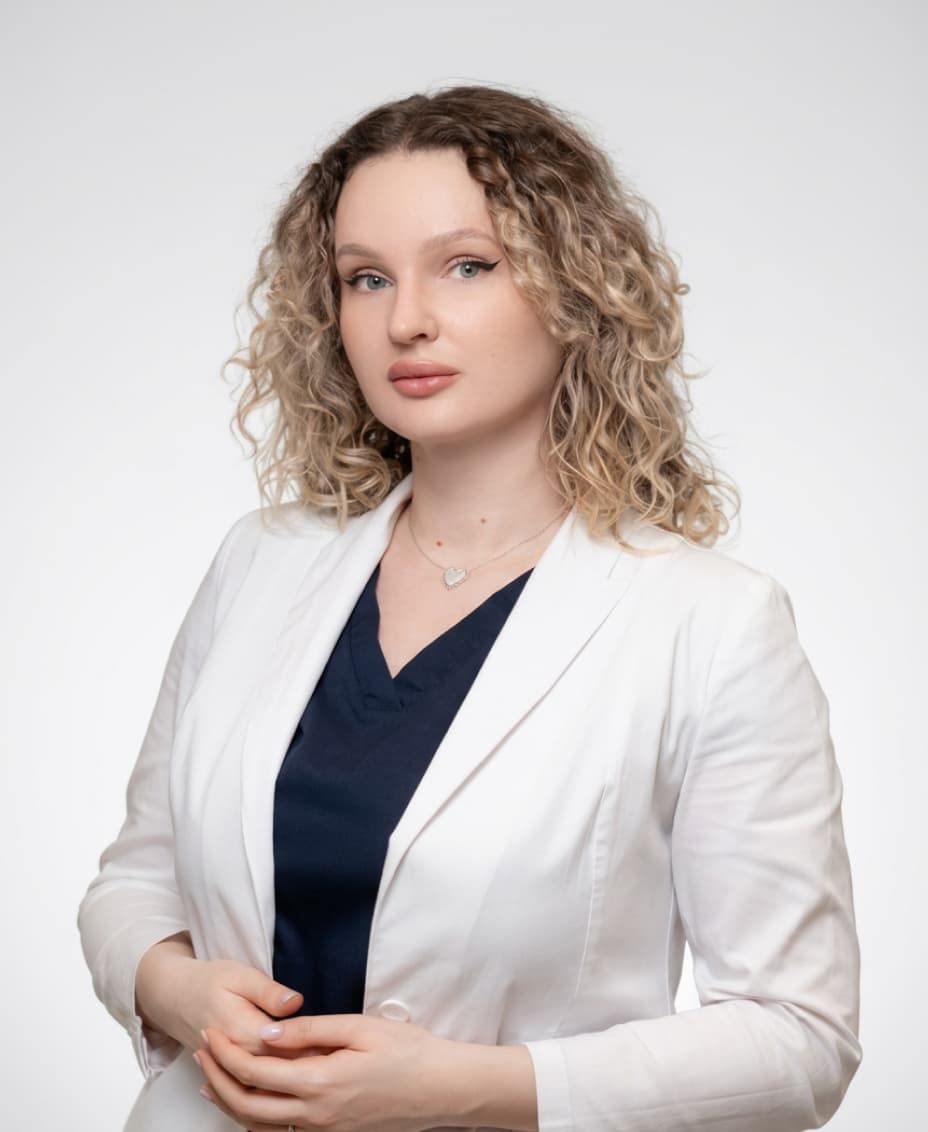
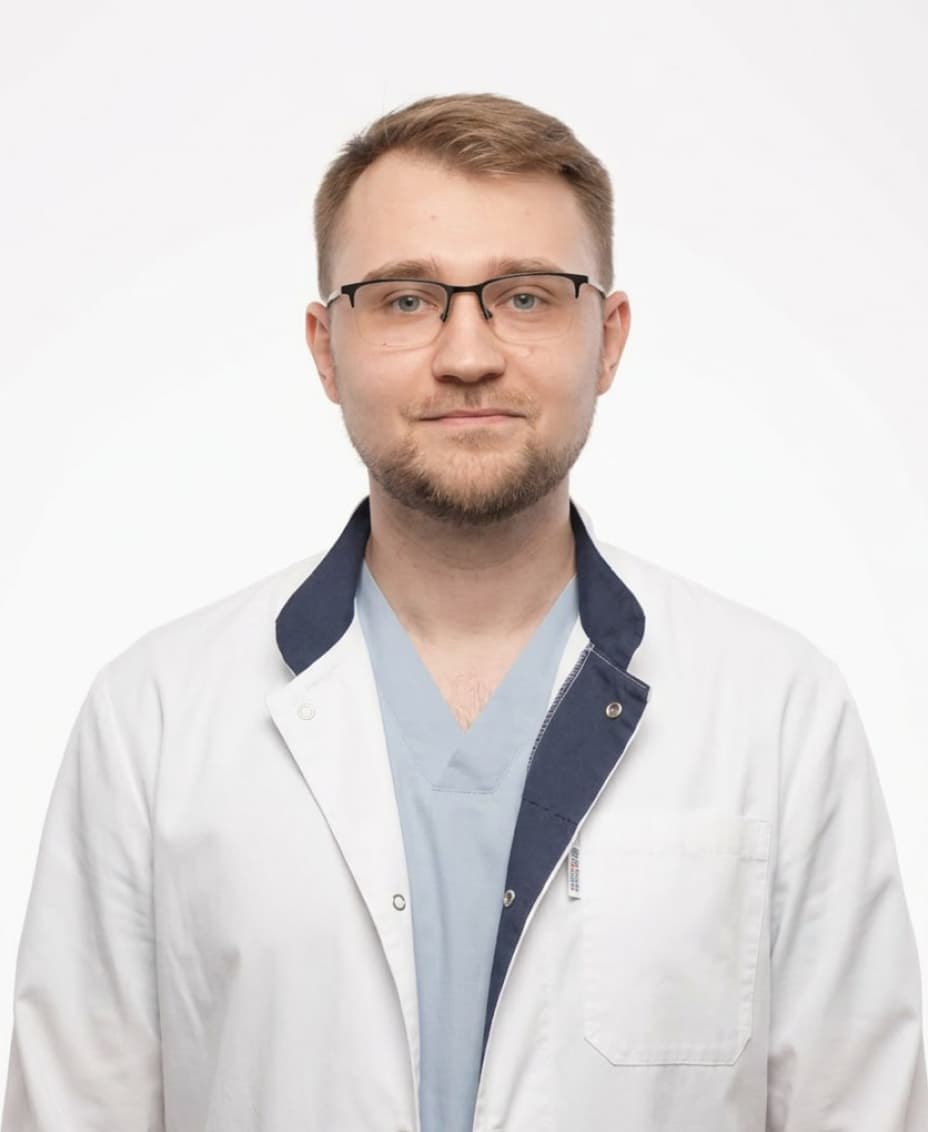
A team that continues the traditions of Professor A.I. Nerobeev's school. Our specialists not only practice but also teach, developing unique techniques in reconstructive and aesthetic medicine.


Leave your number and we will contact you