 My Account
 +7 (495) 129 37 00
 st. Derbenevskaya, 9
Surgical Dentistry
Tooth extraction, implantation, root resection, gum and bone grafting.
Available sections:
Surgical Dentistry
Surgical dentistry within maxillofacial surgery is the level of dental care where the complexity of the case goes beyond the standard dental office. Impacted wisdom teeth in an atypical position, bone atrophy after tooth extraction, or an anatomically low floor of the maxillary sinus are all tasks handled by a maxillofacial surgeon.
At Iskusstvo Clinic in Moscow, surgical dentistry is performed by specialists who combine dental training with reconstructive experience. This is especially important in complex cases involving bone grafting and implant placement.
This field includes five types of procedures, from tooth extraction to guided bone regeneration. Each of them is described on a separate page.
What We Perform
Tooth Extraction, Including Impacted and Dystopic Teeth
Planned and emergency tooth extraction of any complexity, including wisdom teeth in atypical positions, teeth with curved roots, and teeth under crowns or bridges.
A maxillofacial surgeon works with cases that require surgical access, bone osteotomy, and atraumatic technique.
Dental Implantology
Dental implant placement is the surgical stage of comprehensive treatment for restoring missing teeth. It is performed jointly with a prosthodontist. If necessary, it may be preceded or accompanied by bone grafting.
Bone Grafting
Bone grafting restores the volume of bone tissue in the area of a future or existing implant. It is used in cases of bone atrophy after tooth extraction, trauma, or periodontal disease.
Autologous bone, bone substitutes, or a combination of both may be used.
Sinus Lift
A sinus lift involves raising the floor of the maxillary sinus to create sufficient bone volume in the posterior upper jaw, where the bone is often too thin for implant placement.
It is performed using an open or closed technique, depending on the initial bone volume.
Guided Bone Regeneration, or GBR
Guided bone regeneration is a method of restoring bone using barrier membranes, which isolate the regeneration area and create conditions for the growth of the patient’s own bone tissue.
It is used both as a standalone procedure and in combination with bone substitutes and implant placement.
Why a Maxillofacial Surgeon Rather Than a General Oral Surgeon?
The specialization of a maxillofacial surgeon is broader than dentistry alone. In addition to teeth and jawbones, this specialist works with the soft tissues of the face, nerves, salivary glands, and facial skeleton.
This makes it possible to manage complex cases, including atypically positioned impacted teeth near the mandibular canal, extensive bone atrophy, and combinations of dental and reconstructive tasks.
At Iskusstvo Clinic, surgical dentistry and dental implantology exist within one space together with orthodontics, prosthodontics, and reconstructive surgery. This allows treatment to be planned comprehensively: not only to “place an implant,” but also to plan every stage from bone preparation to final prosthetic restoration.
Frequently Asked Questions
What Is the Difference Between a Maxillofacial Surgeon and an Oral Surgeon?
An oral surgeon specializes primarily in procedures within the oral cavity. A maxillofacial surgeon has broader training: this doctor works with the entire maxillofacial area and performs reconstructive and plastic surgery.
In complex dental cases, such as atypical impacted teeth, extensive bone grafting, or conditions involving the maxillofacial region, a maxillofacial surgeon is preferable.
Can an Implant Be Placed Immediately After Tooth Extraction?
In some cases, yes. This is called immediate implant placement. The decision depends on the condition of the socket, bone volume, and the presence or absence of inflammation.
Immediate implant placement shortens the overall treatment time, but it is not suitable in every case. The possibility is discussed during the consultation after examination and CT imaging.
Is There Pain After Bone Grafting?
Postoperative discomfort is moderate and usually well controlled with pain medication. The main sensations are swelling and a feeling of pressure in the surgical area, which usually resolve within 1–2 weeks.
The surgeon discusses this in more detail during the consultation.
How Long Does Treatment Take from Extraction to the Final Crown?
It depends on the situation. With immediate implant placement without bone grafting, treatment may take 3–4 months.
If bone grafting or sinus lift is required, treatment may take 6–12 months. The surgeon and prosthodontist create a plan with approximate timelines during the initial consultation.
Book a Consultation
Book a consultation. The surgeon will assess the situation, create a treatment plan, and explain all stages.
OUR SPECIALISTS
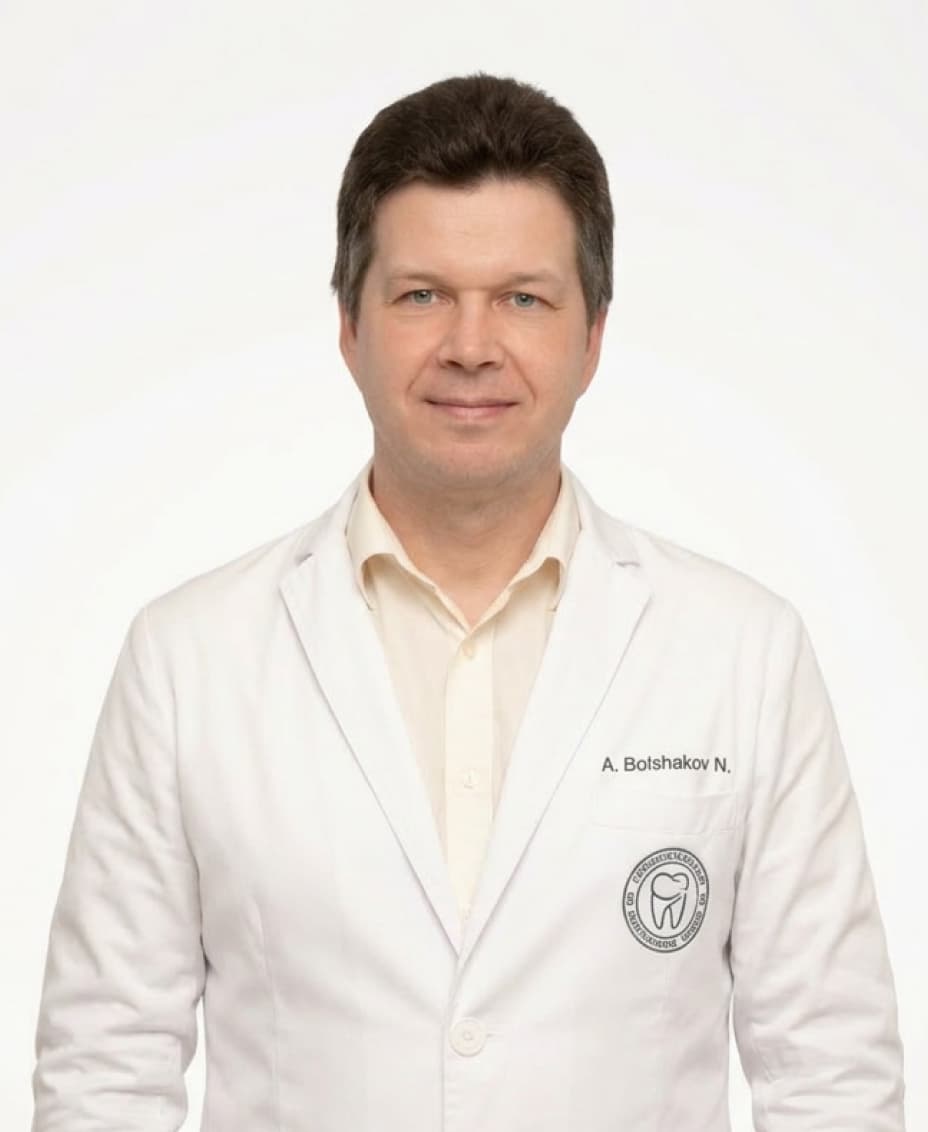
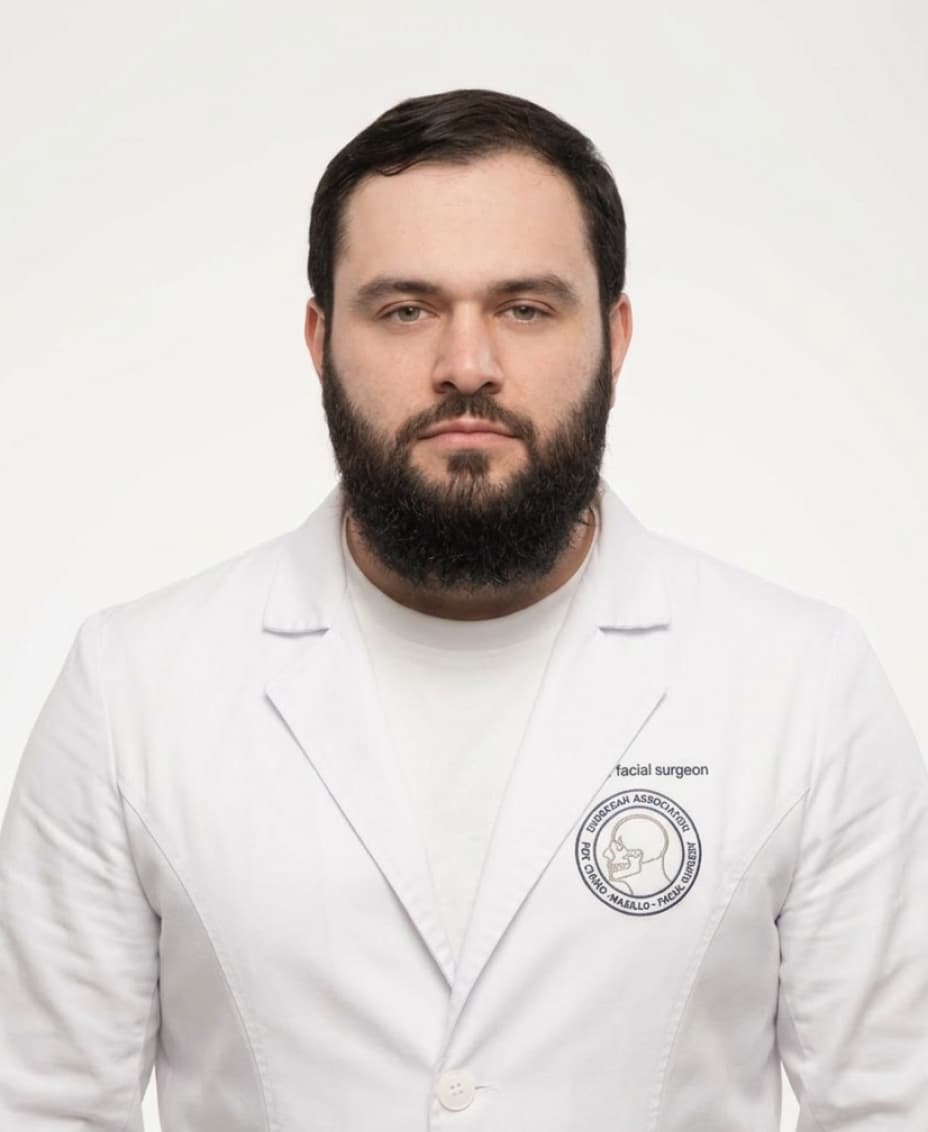
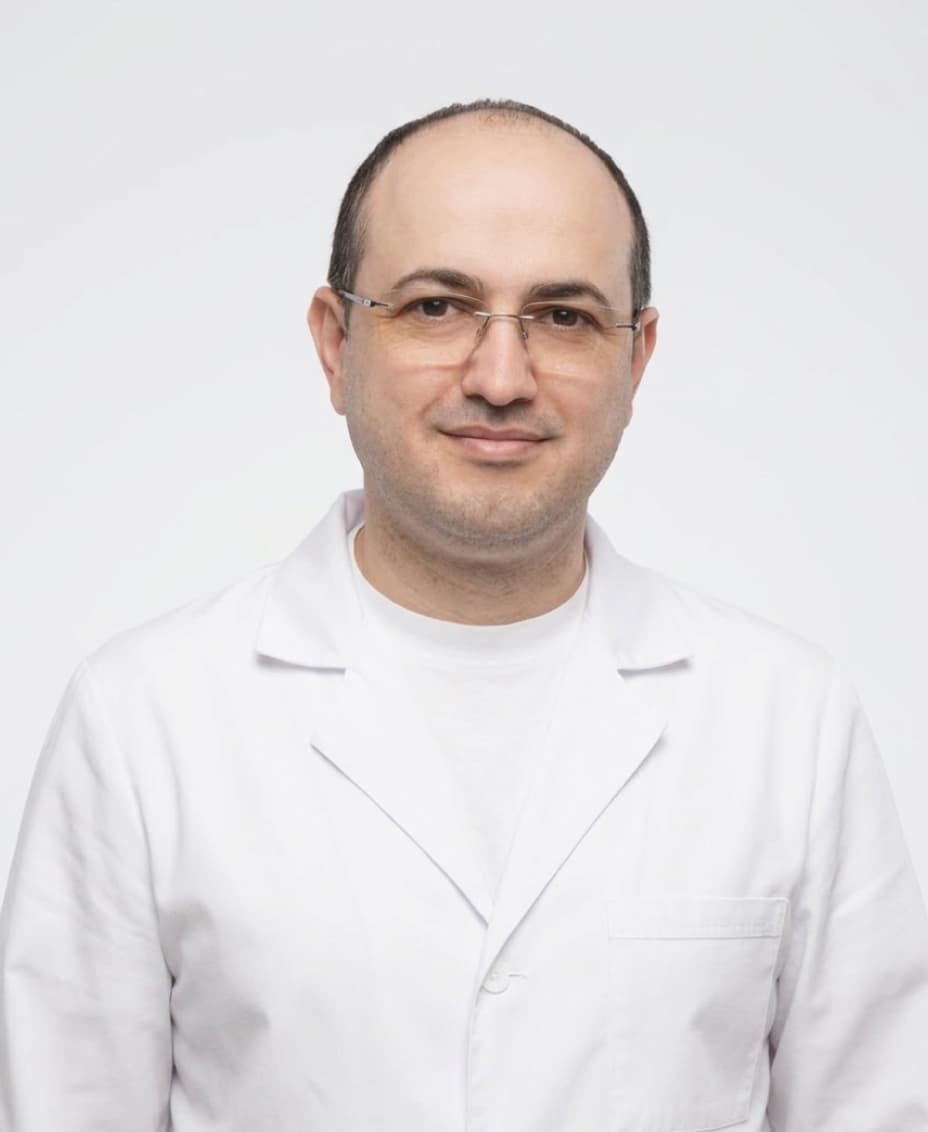
A team that continues the traditions of Professor A.I. Nerobeev's school. Our specialists not only practice but also teach, developing unique techniques in reconstructive and aesthetic medicine.

Leave your number and we will contact you