 My Account
 +7 (495) 129 37 00
 st. Derbenevskaya, 9
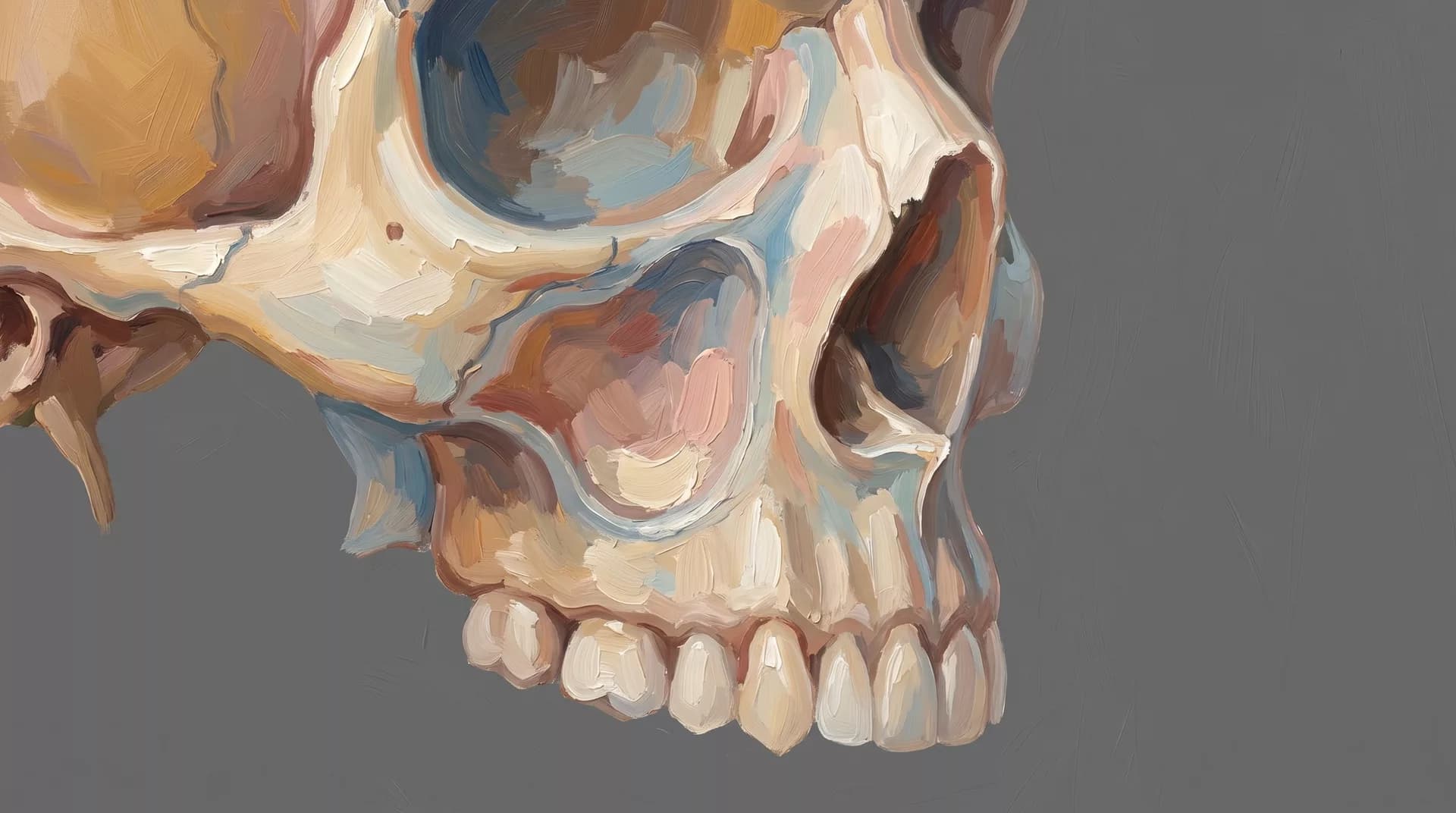
Sinus Lift
Upper jaw bone augmentation under maxillary sinus for implant placement.
Available sections:
Sinus Lift
A sinus lift, also known as subantral augmentation, is a surgical procedure used to increase bone height in the posterior region of the upper jaw by elevating the floor of the maxillary sinus and filling the newly created space with bone graft material.
The procedure is indicated when, after extraction of upper posterior teeth, bone resorption has progressed to the point where there is insufficient bone height to place a dental implant of standard length.
At Iskusstvo Clinic in Moscow, sinus lift procedures are performed by maxillofacial surgeons using modern bone grafting materials.
Why Is Bone Volume Limited in the Posterior Maxilla?
The maxillary sinus lies directly above the roots of the upper premolars and molars.
After these teeth are removed, bone resorption occurs from below, while the sinus gradually expands downward, reducing the amount of bone between the oral cavity and the sinus floor.
When residual bone height is less than 4–5 mm, placement of a standard implant is generally not possible without prior augmentation.
Open Sinus Lift
An open sinus lift is the standard approach when residual bone height is less than 5 mm.
Through a small window created in the lateral wall of the maxillary sinus, the surgeon carefully elevates the sinus membrane (the Schneiderian membrane), creating a space between the membrane and the bony floor.
This space is then filled with bone graft material, such as Bio-Oss®, autogenous bone, or a combination of both.
The graft typically requires six to nine months to mature before implant placement.
If the existing bone height exceeds 5 mm, simultaneous implant placement may be possible during the same procedure.
Closed Sinus Lift
A closed sinus lift is indicated when residual bone height is approximately 5–7 mm.
The sinus floor is elevated through the implant osteotomy site using specialized instruments, without creating a lateral access window.
This technique is less invasive and allows immediate implant placement.
However, it is limited in the amount of vertical augmentation that can be achieved.
Rehabilitation
Following an open sinus lift, swelling of the cheek may persist for five to ten days, and mild to moderate discomfort can last for one to two weeks.
During the first days after surgery, patients should avoid blowing their nose, sneezing with a closed mouth, diving, or performing activities that increase pressure inside the sinus.
A follow-up visit is usually scheduled after seven to ten days.
If implants were not placed simultaneously, a control CT scan is performed six to nine months later before implant placement.
Contraindications
Contraindications include acute exacerbation of chronic sinusitis, which requires treatment by an ENT specialist before surgery.
Maxillary sinus cysts and polyps should be evaluated jointly by the maxillofacial surgeon and an ENT surgeon.
Additional contraindications include anticoagulant therapy and uncontrolled systemic diseases.
Smoking is considered a relative contraindication because it negatively affects healing and treatment outcomes.
The final decision regarding surgery is made by the surgeon after a complete evaluation.
Frequently Asked Questions
Does Everyone Need a Sinus Lift Before Implant Placement in the Upper Posterior Jaw?
No.
The need for a sinus lift is determined by CT imaging.
If bone height is sufficient, usually more than 8–10 mm, implants can be placed without augmentation.
With 5–7 mm of available bone, a closed sinus lift may be possible.
When bone height is less than 5 mm, an open sinus lift is generally recommended.
Is the Procedure Dangerous for the Maxillary Sinus?
No, when performed correctly.
The sinus membrane is carefully elevated and preserved.
Although membrane perforation is a recognized risk, experienced surgeons can usually repair small perforations during the procedure, and they rarely compromise the final outcome.
What Happens If I Blow My Nose Forcefully After Surgery?
Excessive pressure within the sinus can displace the graft material or disrupt the surgical site.
For this reason, patients should avoid blowing their nose, sneezing with a closed mouth, or playing wind instruments for approximately two to three weeks after surgery.
Detailed postoperative instructions are provided by the surgeon.
Can a Sinus Lift Be Performed in Patients With Chronic Sinusitis?
Not during an active episode.
Patients with chronic sinusitis should first undergo evaluation and treatment by an ENT specialist.
Once the sinus condition has been stabilized, sinus augmentation can usually be performed safely.
Book a Consultation
Book a consultation. The surgeon will evaluate your CT scan and determine which sinus lift technique is most appropriate for your clinical situation.
OUR SPECIALISTS
A team that continues the traditions of Professor A.I. Nerobeev's school. Our specialists not only practice but also teach, developing unique techniques in reconstructive and aesthetic medicine.


Leave your number and we will contact you