 My Account
 +7 (495) 129 37 00
 st. Derbenevskaya, 9

Microsurgery in Maxillofacial Surgery
Microsurgery in maxillofacial surgery — reconstruction of facial, jaw and neck defects by transplanting the patient's own tissues with microsurgical vessel anastomosis. At Iskusstvo Clinic — the school of Professor Nerobeev, pioneer of reconstructive microsurgical facial surgery in Russia.
Available sections:
Microsurgery in Maxillofacial Surgery
Microsurgery in maxillofacial surgery is a field of reconstructive surgery in which defects of the tissues of the face, jaws, and neck are corrected by transplanting the patient’s own tissues and restoring blood circulation through suturing vessels under an operating microscope. At Iskusstvo Clinic in Moscow, this method is available thanks to the surgical school of Professor A.I. Nerobeev, one of the founders of Russian reconstructive and microsurgical facial surgery. All procedures are performed by specialists trained at the Department of Plastic and Maxillofacial Surgery of RMANPO.
The method is used when conventional plastic surgery techniques cannot provide the required tissue volume, tissue quality, or restoration of bone structure: in large defects, irradiated or scar-altered tissues, and after extensive oncological operations. The diameter of the vessels sutured during surgery may range from 0.5 to 1.5 mm. The work is performed under high magnification using specialized instruments.
Indications for Microsurgical Reconstruction
Extensive soft tissue defects of the face and neck after tumor removal
Defects of the lower or upper jaw after resection due to tumors
Deep post-traumatic defects with loss of several tissue layers
Facial tissue reconstruction after radiation therapy, when local tissues are not viable
Consequences of osteomyelitis or necrotizing infections with extensive tissue destruction
Neurofibromatosis with severe facial deformities
Cases in which previous reconstruction methods have not provided a result
Two Main Methods
In the field of microsurgery in maxillofacial surgery, the clinic performs two types of procedures, each presented on a separate page.
Free Flap Transfer Using Microsurgical Technique
This involves transferring a section of the patient’s own tissue, such as skin, muscle, or a combination of tissues, from a donor area of the body to the defect area. After transfer, the feeding vessels are sutured under a microscope.
The method is used to restore the soft tissues of the face, oral cavity, and neck. The choice of flap type, such as radial, thigh, or thoracodorsal flap, depends on the goals of the specific reconstruction.
→ More information on a separate page: Free Flap Transfer Using Microsurgical Technique
Revascularized Bone Grafting
This involves transplantation of a living bone graft with its own blood supply. Unlike conventional bone grafting, revascularized bone receives its own blood flow in the recipient area. This ensures reliable integration in large defects and in irradiated tissues.
The fibular osteocutaneous flap is most commonly used. It also allows subsequent placement of dental implants.
→ More information on a separate page: Revascularized Bone Grafting
How the Operation Is Performed: General Principle
Every microsurgical operation is preceded by detailed planning: CT imaging, assessment of vascular anatomy, and, if necessary, 3D modeling.
All procedures are performed under general anesthesia. As a rule, two surgical teams work simultaneously: one prepares the defect area, while the other harvests the flap.
After tissue transfer, microvascular anastomosis is performed under the operating microscope.
The duration of surgery ranges from 4 to 12 hours, depending on the scope of reconstruction. Exact timing is determined individually.
Rehabilitation
The first 48–72 hours are the critical period for monitoring flap viability. Hospitalization usually lasts from 7 to 14 days.
The final result forms over 6–12 months. Detailed timelines and rehabilitation features are described on the pages for each procedure.
Risks and Complications
The most significant specific risk of microsurgical operations is thrombosis of the vascular anastomosis, leading to impaired blood supply to the flap. If detected in time, during the first hours, repeat surgery may be performed to restore blood flow.
General risks include anesthesia-related complications, infectious complications, and healing disorders.
All risks are discussed with the surgeon during an in-person consultation.
Contraindications
Absolute and relative contraindications are determined during the preoperative examination. General limitations include severe systemic diseases in the stage of decompensation, blood clotting disorders that cannot be corrected, and pronounced vascular atherosclerosis.
The final decision is made by the surgeon after a complete examination.
Why Choose Iskusstvo Clinic
The Nerobeev School as a Living Tradition of Microsurgery
Professor A.I. Nerobeev was one of the pioneers of facial microsurgery in Russia. The clinic’s surgeons are his direct students and practiced at the Clinic of Reconstructive Surgery of the Face and Neck at the Central Research Institute of Dentistry and Maxillofacial Surgery.
Infrastructure for Complex Operations
The clinic has 5 operating rooms, 12 inpatient rooms, and equipment at the level of leading federal medical centers. It has everything required for operations lasting 6–12 hours with full anesthesiology support.
Comprehensive Approach
Oncologic surgery with immediate reconstruction, subsequent dental implant placement, and follow-up care are all available within one clinic, without transferring the patient elsewhere.
Frequently Asked Questions
How Is a Free Flap Different from Conventional Local Tissue Plastic Surgery?
In local tissue plastic surgery, tissues are moved from nearby areas while maintaining their connection to the body.
A free flap is completely separated from the donor site and transferred with the vessels cut. Blood circulation is then restored microsurgically.
This makes it possible to transfer tissue from any suitable donor area and close defects of any location and volume.
Is Surgery Possible After Radiation Therapy?
In most cases, yes. Revascularized flaps have an advantage over local tissue plastic surgery precisely in irradiated tissues: they bring their own blood supply and do not depend on the condition of the surrounding tissues.
Is Special Preparation Needed Before Surgery?
Yes. In addition to standard preoperative examination, Doppler ultrasound of the donor area vessels, CT angiography, and consultations with related specialists may be required.
Preparation is planned individually by the surgeon.
How Long Does the Patient Stay in the Hospital?
As a rule, from 7 to 14 days, depending on the scope of surgery and the speed of recovery.
Does the Flap Always Take?
Modern microsurgery provides a high rate of successful flap survival, but there can be no absolute guarantee. The complication rate depends significantly on the experience of the surgical team.
If thrombosis is diagnosed early, during the first hours, repeat surgery may be possible.
Book a Consultation
Book a consultation. The surgeon will assess your case, explain the reconstruction options, and create a treatment plan.
OUR SPECIALISTS
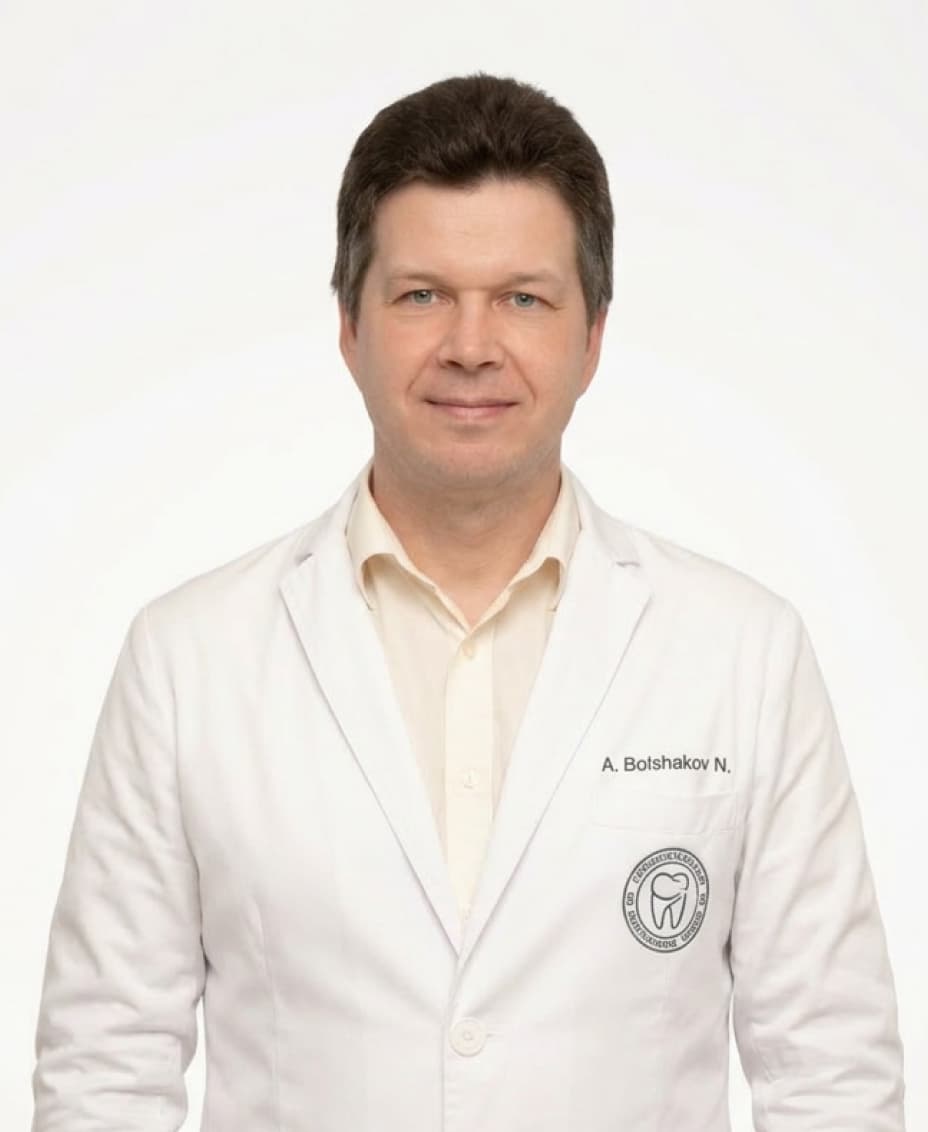
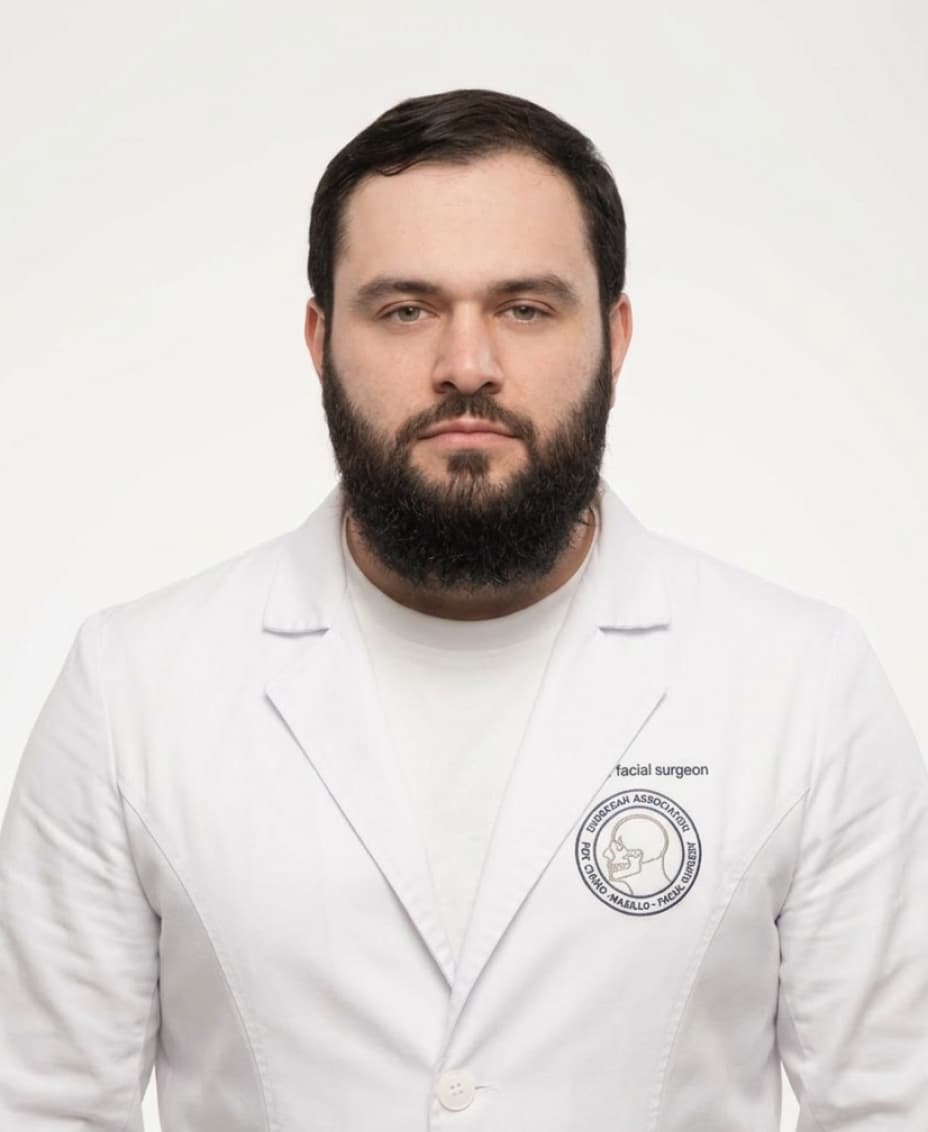
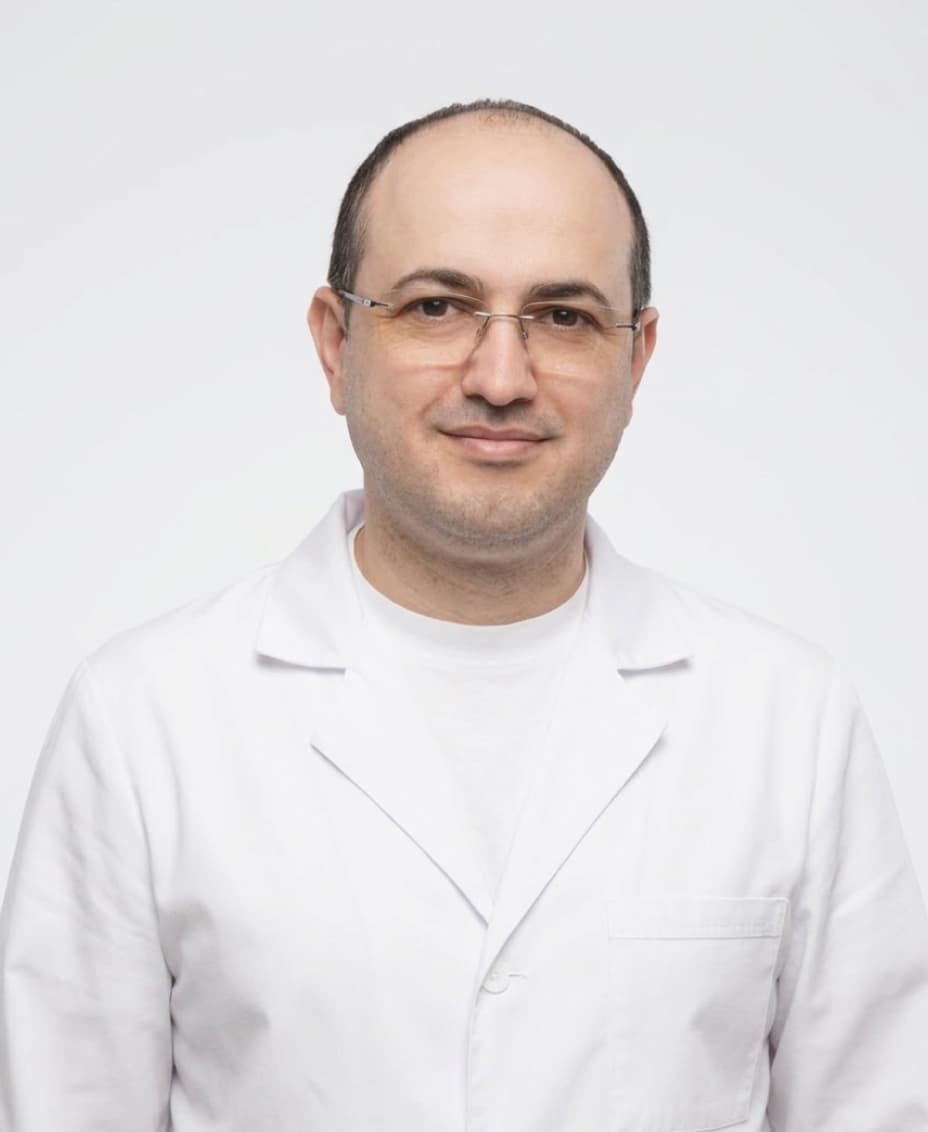
A team that continues the traditions of Professor A.I. Nerobeev's school. Our specialists not only practice but also teach, developing unique techniques in reconstructive and aesthetic medicine.

Leave your number and we will contact you