 My Account
 +7 (495) 129 37 00
 st. Derbenevskaya, 9
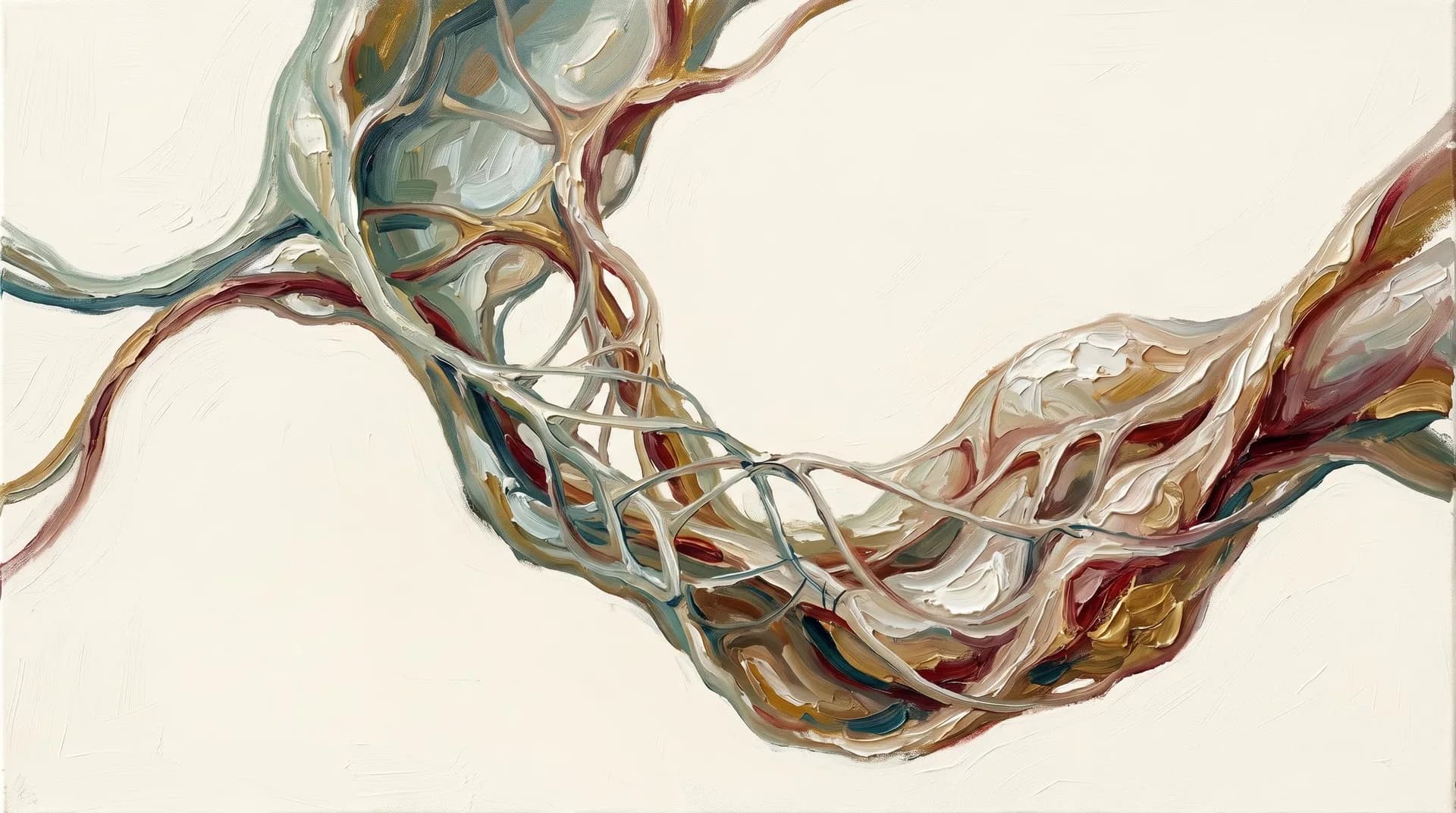
Free Flap Transplantation Using Microsurgical Technique
Harvesting skin-muscle flap with vessels, microsurgical artery-vein anastomosis under microscope for facial reconstruction after cancer and trauma.
Available sections:
Free Flap Transfer Using Microsurgical Technique
Free flap transfer using microsurgical technique is an operation in which a section of the patient’s own tissue, such as skin, muscle, or skin with muscle, is completely separated from the donor area of the body and transferred to the defect area. After transfer, the surgeon restores blood supply to the flap: under an operating microscope, an artery and vein with a diameter of 0.5 to 1.5 mm are sutured. Without this vascular suturing, the transplanted tissue will not survive. It is the microsurgical anastomosis that makes the method reliable.
At Iskusstvo Clinic in Moscow, operations of this level are performed by surgeons trained in the school of Professor Nerobeev.
This page is dedicated to soft tissue flaps, used in situations where it is necessary to restore skin, mucosa, muscle, or soft tissue volume of the face, neck, or oral cavity. If bone reconstruction is also required, this is a task for revascularized bone grafting, described on a separate page.
Indications
Extensive soft tissue defects of the face and neck after tumor removal
Reconstruction of the oral mucosa, floor of the mouth, and pharynx after oncological surgery
Deep post-traumatic defects with loss of several tissue layers
Reconstruction in an irradiated area where local tissues are not viable
Defects caused by neurofibromatosis and other extensive soft tissue lesions
Cases in which previous reconstruction methods have not provided a result
Types of Soft Tissue Free Flaps
The choice of flap depends on what needs to be restored: volume, thickness, tissue type, and the size of the donor scar.
Radial Forearm Fasciocutaneous Flap
This is a thin, pliable flap that is well suited for reconstruction of the inner lining of the oral cavity, mucosa, and small soft tissue defects of the face.
A long and anatomically predictable vascular pedicle simplifies the microsurgical stage. The donor area is the forearm: a scar remains, and skin grafting of the donor area is usually performed during flap harvesting.
Anterolateral Thigh Flap
This flap provides a large volume of soft tissue with relatively little impact on the donor area. It is used for extensive defects of the soft tissue covering of the face, neck, and floor of the mouth.
The scar is located on the lateral surface of the thigh, and limb function is not affected.
Thoracodorsal Flap, Based on the Latissimus Dorsi Muscle
This is a large-volume musculocutaneous flap. It is used when it is necessary to fill cavities or close large defects with a pronounced soft tissue volume deficit.
How the Operation Is Performed
Preoperative Planning
Before surgery, computed tomography is performed. If necessary, CT angiography is used to assess the vascular anatomy of the donor area and recipient field.
In complex cases, 3D modeling is used. The surgeon determines the type of flap, the donor site, and the recipient vessels in the defect area.
Anesthesia
The operation is performed under general anesthesia, or endotracheal anesthesia. The duration and specific features of anesthesiology support are discussed with the anesthesiologist during preoperative preparation.
Course of Surgery
As a rule, two surgical teams work simultaneously: one prepares the recipient area and identifies the recipient vessels, while the other harvests the flap from the donor site.
After the flap is transferred, microvascular anastomosis is performed under a microscope. If necessary, nerve trunks are restored to achieve sensitivity in the transplanted tissues.
Duration
Depending on the scope of reconstruction, surgery lasts from 4 to 10–12 hours. Exact timing is determined individually.
Result and Rehabilitation
The first 24–72 hours after surgery are the critical period. During this time, the viability of the flap is monitored and blood flow in the transplanted tissues is controlled. The patient remains in the hospital under observation during this period.
The total duration of hospitalization is usually 7 to 14 days.
Final tissue formation takes 3 to 6 months: swelling subsides, scars lighten, and the contour stabilizes. In some cases, a corrective operation is performed after 6–12 months to refine the contours.
Contraindications
Contraindications are determined during the preoperative examination. General limitations include severe systemic diseases in the stage of decompensation, blood clotting disorders that cannot be corrected, and pronounced atherosclerosis of the vessels in the donor or recipient area.
The final decision on operability is made by the surgeon.
Frequently Asked Questions
Does the Flap Always Take?
Modern microsurgery provides a high rate of successful flap survival. The most significant specific complication is thrombosis of the anastomosis. If detected in the first hours, repeat surgery may be possible to restore blood flow.
The complication rate depends significantly on the experience of the surgical team.
Can the Operation Be Performed After Radiation Therapy?
Yes, in most cases. Free flaps bring their own blood supply, independent of the condition of the surrounding irradiated tissues. This is their key advantage over local tissue plastic surgery.
The risks are somewhat higher, and this is taken into account during planning.
Is a Repeat Operation Needed After Reconstruction?
It depends on the situation. Sometimes the result is achieved in one stage. In other cases, a corrective operation is performed after 6–12 months to refine volume, improve contours, or work with scars.
The need for additional surgery is discussed with the surgeon in advance.
Are There Marks on the Donor Area?
Yes, a scar remains in any case. Its size and visibility depend on the donor area and individual healing characteristics.
With proper technique, limb function is not affected. The surgeon discusses these issues with the patient in detail before surgery.
How Long Does the Patient Stay in the Hospital?
As a rule, from 7 to 14 days. The timing depends on the scope of surgery and the speed of recovery.
Book a Consultation
Book a consultation. The surgeon will determine the optimal flap type and surgical plan based on your situation.
OUR SPECIALISTS
A team that continues the traditions of Professor A.I. Nerobeev's school. Our specialists not only practice but also teach, developing unique techniques in reconstructive and aesthetic medicine.

Leave your number and we will contact you