 My Account
 +7 (495) 129 37 00
 st. Derbenevskaya, 9
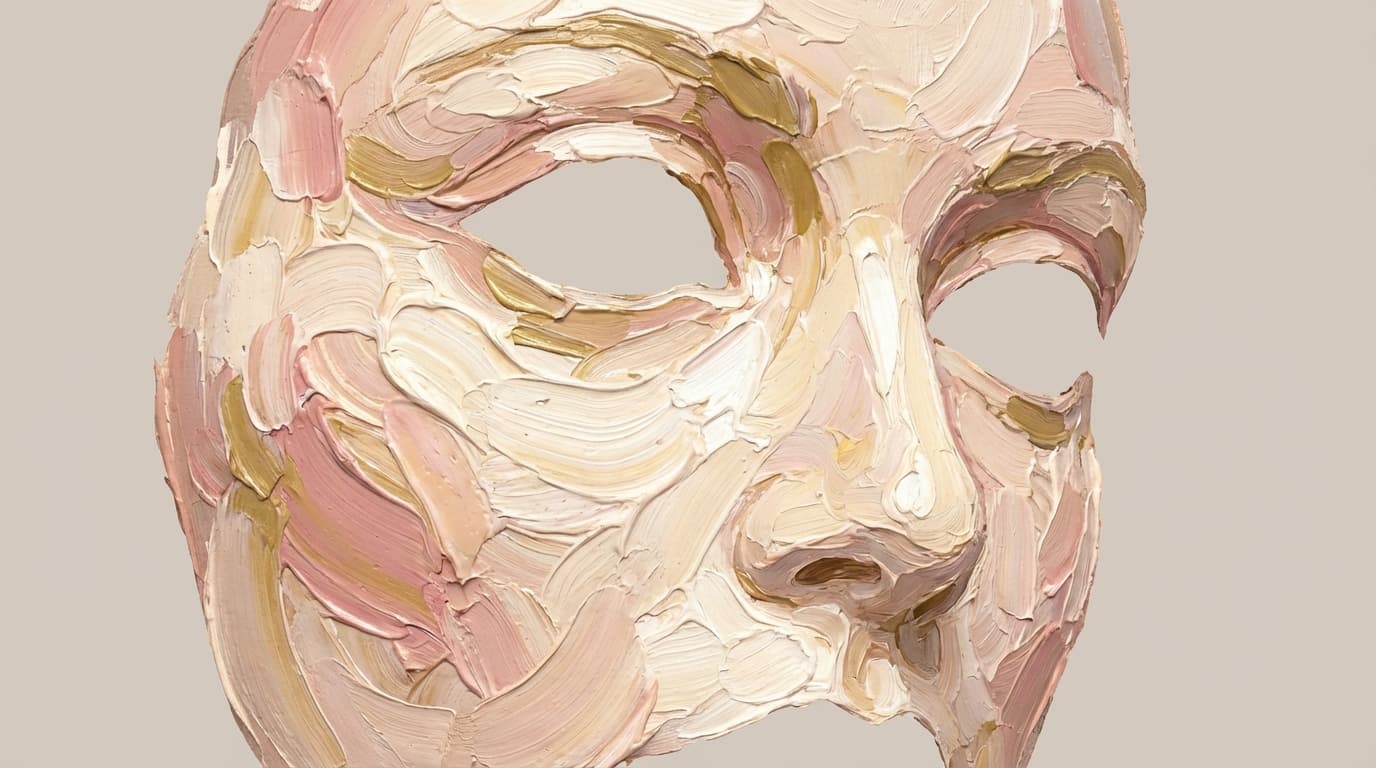
Maxillofacial Rehabilitation
Jaw function and facial mimicry restoration post-trauma, surgery, oncology.
Available sections:
Maxillofacial Rehabilitation
When surgery is complete, the tumor has been removed, the trauma has been corrected, or reconstruction has been performed, the next stage begins: returning the person to a full life. There are situations when surgical restoration is impossible or insufficient: the volume of lost tissue is too extensive, the patient is elderly, severe concomitant diseases are present, or the patient does not want to undergo another complex operation. In these cases, maxillofacial rehabilitation comes to the forefront: restoration with the help of prostheses and implants.
At Iskusstvo Clinic in Moscow, the rehabilitation field works in close connection with surgery. The surgeon and prosthetic specialist plan treatment together, whenever possible even before surgery. This approach makes it possible to plan support structures for the future prosthesis in advance, reduce the number of stages, and achieve a better result.
Who Is Maxillofacial Rehabilitation Suitable For?
Patients after resection of the lower or upper jaw due to a tumor
Patients with traumatic loss of the jaw or a significant part of it
Patients after removal of facial parts, such as the nose, auricle, or orbit, due to oncological surgery or trauma
Patients for whom surgical reconstruction is impossible or contraindicated
Patients who prefer prosthetic rehabilitation to surgery
Two Main Directions
Prosthetic Rehabilitation After Jaw Resection or Loss
This direction restores chewing function, speech, and appearance in cases of partial or complete loss of the lower or upper jaw. Rehabilitation may involve removable prosthetic structures or fixation on dental or zygomatic implants for reliable support.
Use of Epitheses and Custom Implants
An epithesis is an external prosthesis of a part of the face: the nose, auricle, eye, or orbit. It is made individually from silicone, reproducing the lost structure as accurately as possible in color, shape, and texture. It can be fixed to the skin with adhesive or attached to implanted support implants.
Planning: Before or After Surgery
Ideally, rehabilitation is planned before surgery. If the surgeon and prosthetic specialist coordinate the plan in advance, the operation is performed with future prosthetic support in mind. This simplifies the following stages and reduces the overall treatment time.
If the patient comes after surgery has already been performed, this is not a problem. Rehabilitation is planned based on the current situation.
Digital Technologies in Rehabilitation
Custom implants and prostheses are made based on the patient’s CT data using digital modeling and CAD/CAM technologies. This makes it possible to achieve precise anatomical matching. The prosthesis or implant is created for a specific person, rather than selected from a standard range.
Why Choose Iskusstvo Clinic
Connection Between Surgery and Rehabilitation
The surgeon and prosthetic specialist work within one space. The rehabilitation plan can be agreed upon even before oncological surgery, which is fundamentally important for the quality of the final result.
Reconstructive Experience
The clinic’s surgeons understand rehabilitation tasks from within: they also perform the operations after which the patient may need prosthetic rehabilitation. This eliminates the gap between the surgical and rehabilitation stages.
Individual Approach
Every prosthesis and every implant is made for a specific patient, taking into account their anatomy, wishes, and lifestyle.
Frequently Asked Questions
Can Chewing Be Restored After Complete Removal of the Lower Jaw?
Partially, yes. Full restoration of chewing function after total resection of the lower jaw is an extremely complex task.
Modern implant-supported prostheses can significantly improve function compared with removable structures without fixation. The specific prognosis depends on the extent of resection and the patient’s general condition.
How Is an Epithesis Different from Surgical Reconstruction?
Surgical reconstruction restores the lost structure using the patient’s own tissues. This is living tissue, but the operation is complex and not always possible.
An epithesis is a removable silicone prosthesis that does not require surgery. Modern epitheses are almost indistinguishable from natural tissues. The choice between reconstruction and an epithesis depends on the clinical situation, age, health condition, and the patient’s wishes.
How Long Does a Silicone Epithesis Last?
As a rule, 2–4 years. After that, replacement is required due to wear and color changes in the silicone.
Implant-supported epitheses last longer and are more convenient to use than adhesive-retained ones. The exact lifespan depends on the material and intensity of use.
Is Surgery Needed to Place Supports for an Epithesis?
If implant fixation is chosen, yes. A small operation is performed to place transcutaneous support implants, such as BAHA systems or similar options. It is performed under local anesthesia and significantly improves the convenience of using the epithesis.
Adhesive fixation does not require surgery, but is less reliable.
Book a Consultation
Book a consultation. The surgeon and prosthetic specialist will jointly assess the situation and recommend the optimal rehabilitation plan.
OUR SPECIALISTS
A team that continues the traditions of Professor A.I. Nerobeev's school. Our specialists not only practice but also teach, developing unique techniques in reconstructive and aesthetic medicine.

Leave your number and we will contact you