 My Account
 +7 (495) 129 37 00
 st. Derbenevskaya, 9
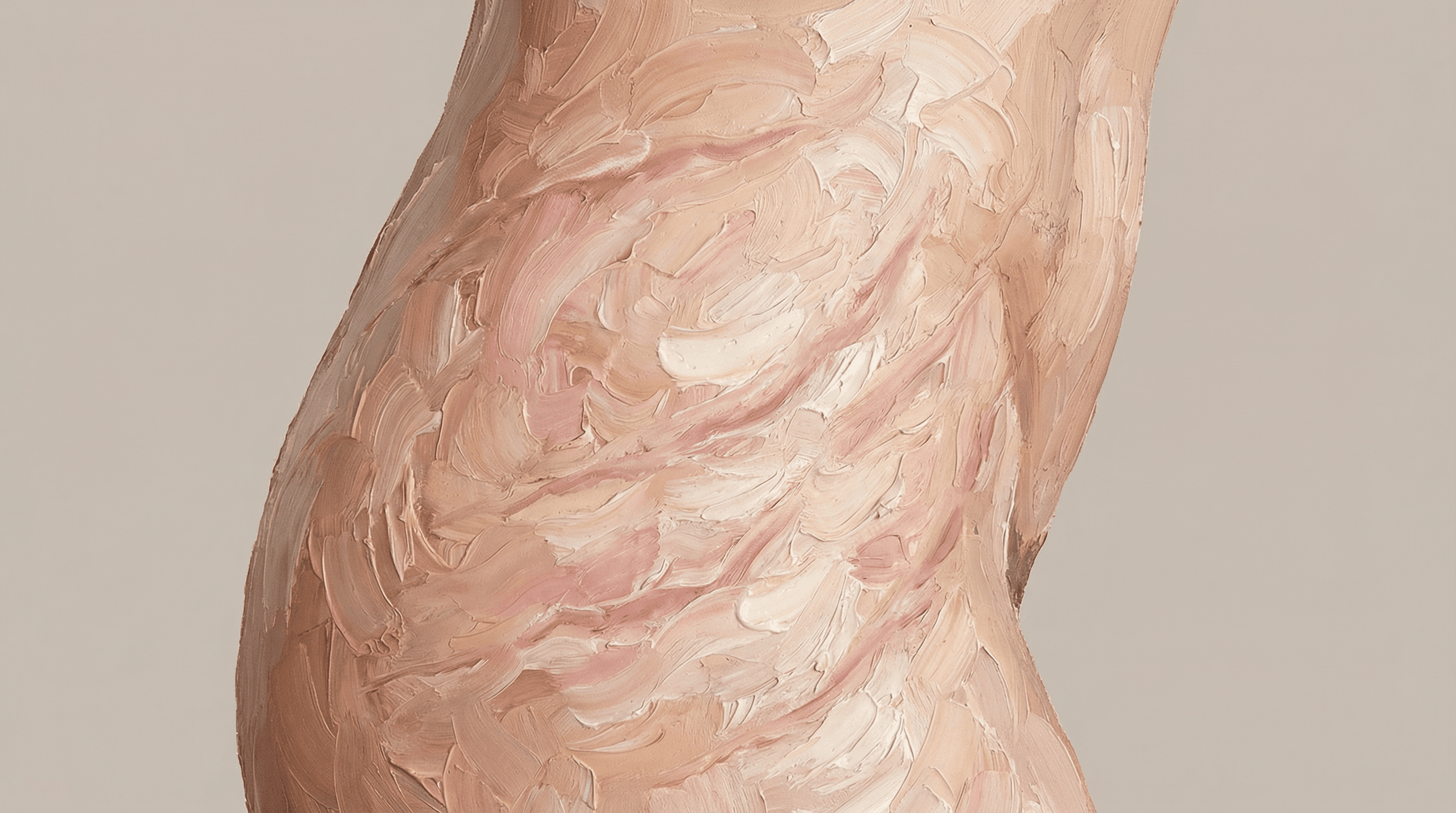
Scar Correction
Laser resurfacing, RF-microneedling, collagen/steroid injections, surgical excision and subcision level texture, reduce hypertrophic and keloid scars, restoring smooth skin without pain or long recovery.
Available sections:
Scar Revision is a field of plastic and reconstructive surgery that combines surgical, laser, and injectable techniques to improve the appearance, function, and quality of scar tissue. Scars form as a result of wound healing after injuries, burns, surgeries, and inflammatory conditions such as acne. At Iskusstvo Clinic in Moscow, scar revision is performed by surgeons trained in Professor Nerobeev’s school, with expertise in reconstructive surgery and microsurgical techniques—from simple excision to complex multistage reconstructions using tissue transfer and tissue expansion.
It is important to understand that a scar cannot be removed completely—any wound heals by forming scar tissue. The goal of scar revision is to make the scar as inconspicuous as possible, eliminate functional limitations such as contractures and tissue tightness, and improve the quality of the scar tissue. Modern methods make it possible to achieve significant improvement even in severe and extensive scars.
Types of Scars
Normotrophic scar — thin, flat, and close in color to the surrounding skin. This is the optimal healing outcome and usually does not require correction.
Atrophic scar — sunken below the skin level, appearing as a pit or depression. Typical of post-acne scars and chickenpox scars. Correction options include laser resurfacing, fillers, fat grafting, and subcision.
Hypertrophic scar — raised above the skin surface but confined within the borders of the original wound. Dense, red, and sometimes itchy. It forms due to excessive collagen production and may regress over time. Correction options include corticosteroid injections, laser treatment, compression therapy, and excision.
Keloid scar — extends beyond the boundaries of the original wound and continues to grow even after healing. Dense, raised, often painful, and itchy. There is a genetic predisposition to keloid formation. Treatment is challenging and requires a combined approach: excision plus radiation therapy, corticosteroid injections, compression, and silicone sheets.
Scar contracture — tightening of the surrounding tissues by a scar, restricting mobility, especially around joints, the neck, mouth, or eyelids. Typical after burns. Correction options include surgical excision with local tissue reconstruction, Z-plasty, skin grafts, and tissue expansion.
Scar Revision Methods
Scar excision — surgical removal of scar tissue with re-closure of the wound according to plastic surgery principles. Optimal for wide or poorly oriented scars.
Correction of scar deformity using local tissue rearrangement — Z-plasty, W-plasty, rotational flaps, and transposition flaps. Used for contractures and improperly oriented scars.
Correction of scar deformity using a free skin graft — transplantation of skin from a donor site for extensive defects when local tissues are insufficient.
Correction of scar deformity using a tissue expander — a method of stretching healthy skin adjacent to the scar by placing a subcutaneous balloon expander. After expansion, the scar is excised and the defect is closed with “grown” skin that is ideally matched in color and texture.
Laser methods — fractional laser resurfacing (CO2, erbium laser), vascular laser (PDL), and IPL. These improve the texture, color, and elasticity of the scar without surgery.
Injectable methods — corticosteroids (triamcinolone), 5-fluorouracil, hyaluronidase, fillers (for atrophic scars), and PRP. These help soften, flatten, and reduce scars.
How Treatment Is Performed
During the consultation, the surgeon assesses the type of scar, its location, size, age, and whether there are any functional limitations. An individual treatment plan is then created, which may include one method or a combination of several. Surgical correction is performed under local anesthesia for isolated scars or under general anesthesia for extensive scar deformities and tissue expansion procedures. Laser and injectable methods are performed on an outpatient basis.
Recovery
Recovery time depends on the method used. After excision, sutures remain in place for 5–14 days, with activity restrictions for 2–4 weeks. After laser resurfacing, redness and flaking usually last 7–14 days. After injections, recovery is minimal, typically 1–2 days. Silicone sheets and sunscreen are mandatory for all methods for 6–12 months.
Contraindications
-
Acute infectious diseases
-
Blood clotting disorders (for surgical methods)
-
Active inflammation in the scar area
-
An immature scar that has not yet fully matured (it is recommended to wait 6–12 months to assess the final condition)
-
Pregnancy and breastfeeding
The final decision is made by the physician.
Why Iskusstvo Clinic
-
Reconstructive expertise of Professor Nerobeev’s school—from simple excision to multistage reconstructions using tissue expanders and microsurgical flaps
-
Full range of methods—surgical, laser, and injectable treatments in one clinic
-
Combined approach—different methods are used together for the best possible result
-
Advanced equipment—laser systems, microsurgical equipment, and 5 operating rooms
Frequently Asked Questions
Can a scar be removed completely?
A scar cannot be removed completely, because any wound heals by forming scar tissue. However, modern techniques can make a scar much less noticeable—thinner, flatter, and closer to the surrounding skin in color and texture. When a coarse scar is excised, a new, thinner, and neater scar is formed.
When is the best time to start scar revision?
It depends on the method. Silicone sheets and compression therapy can begin once the sutures are removed. Corticosteroid injections are usually started after 4–6 weeks. Laser resurfacing can be performed after 2–3 months for fresh scars or at any time for mature scars. Surgical excision is generally recommended after waiting 6–12 months for the scar to fully mature. The exception is functional contractures, which may require earlier correction.
Which method is the most effective?
The most effective approach is usually a combination of methods—for example, excision plus laser resurfacing plus silicone sheets. The choice depends on the type of scar: surgical excision is best for wide scars, laser treatment for texture and color, and injections for hypertrophic and keloid scars. The surgeon will determine the optimal plan during the consultation.
Can keloid scars be treated?
Yes, but keloid treatment requires a comprehensive approach and patience. The most effective combination is surgical excision plus radiation therapy to the wound edges within the first 24–48 hours, plus corticosteroid injections, compression, and silicone sheets. Recurrence is possible, but with a combined approach the risk can be significantly reduced.
Will laser treatment help with acne scars?
Yes, fractional laser resurfacing (CO2, erbium laser) is one of the most effective methods for correcting atrophic post-acne scars. The laser creates microzones of injury in the skin, stimulating collagen remodeling and surface smoothing. A course of 3–5 treatments at intervals of 4–6 weeks is usually required
OUR SPECIALISTS
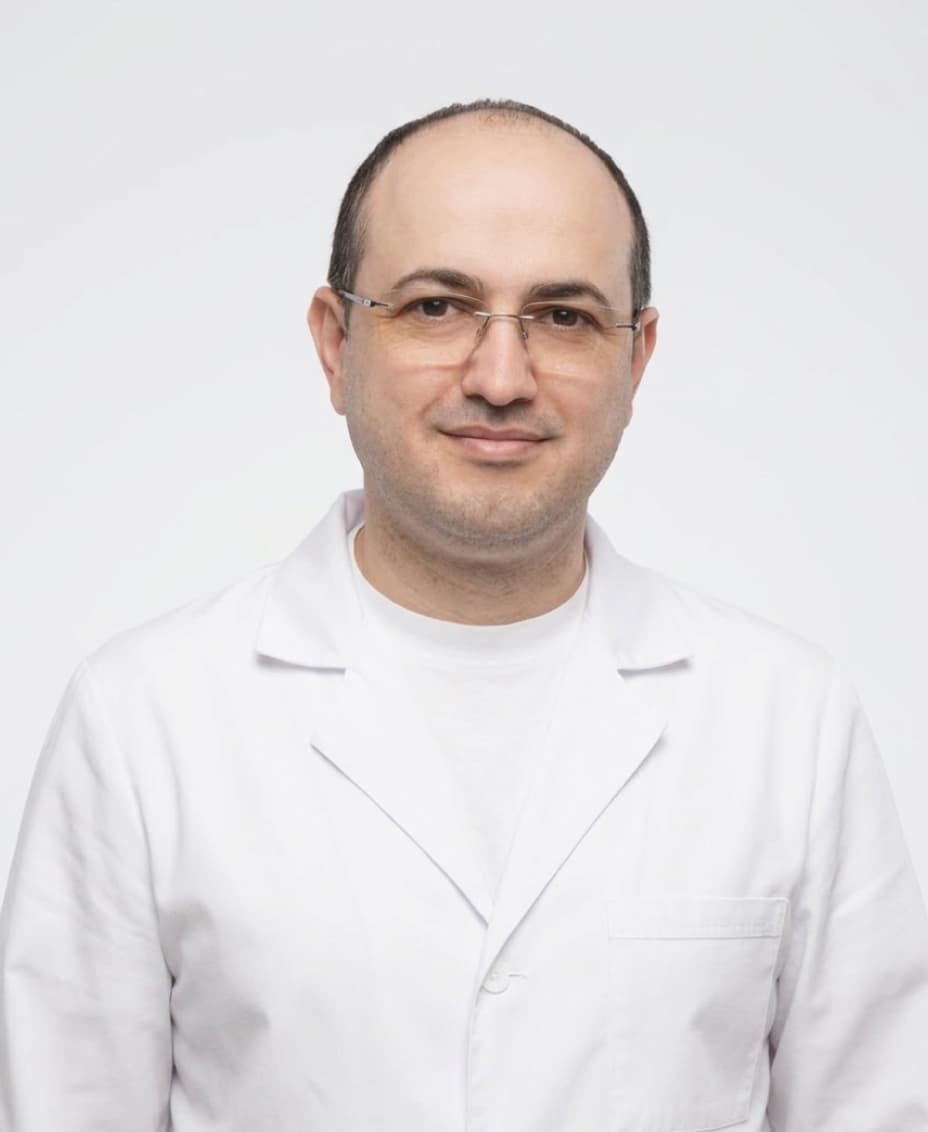
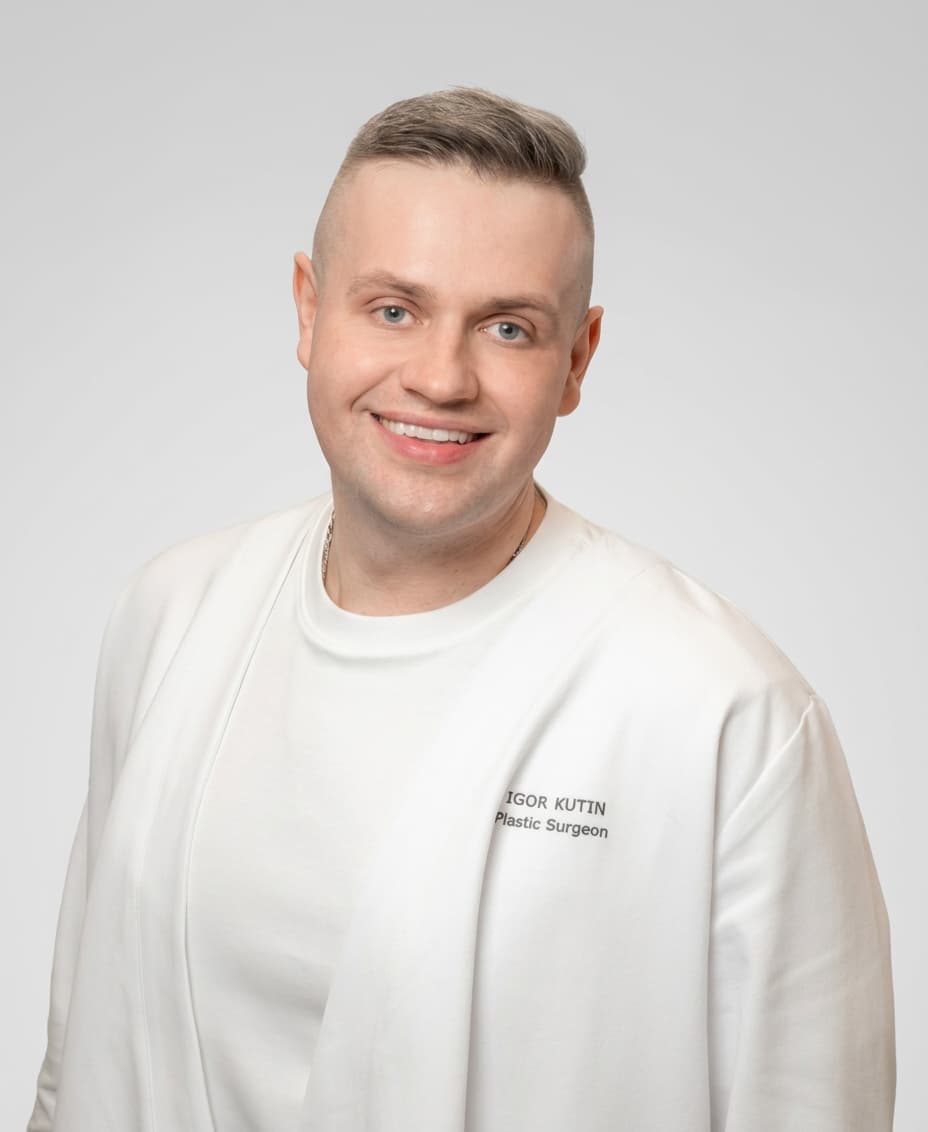
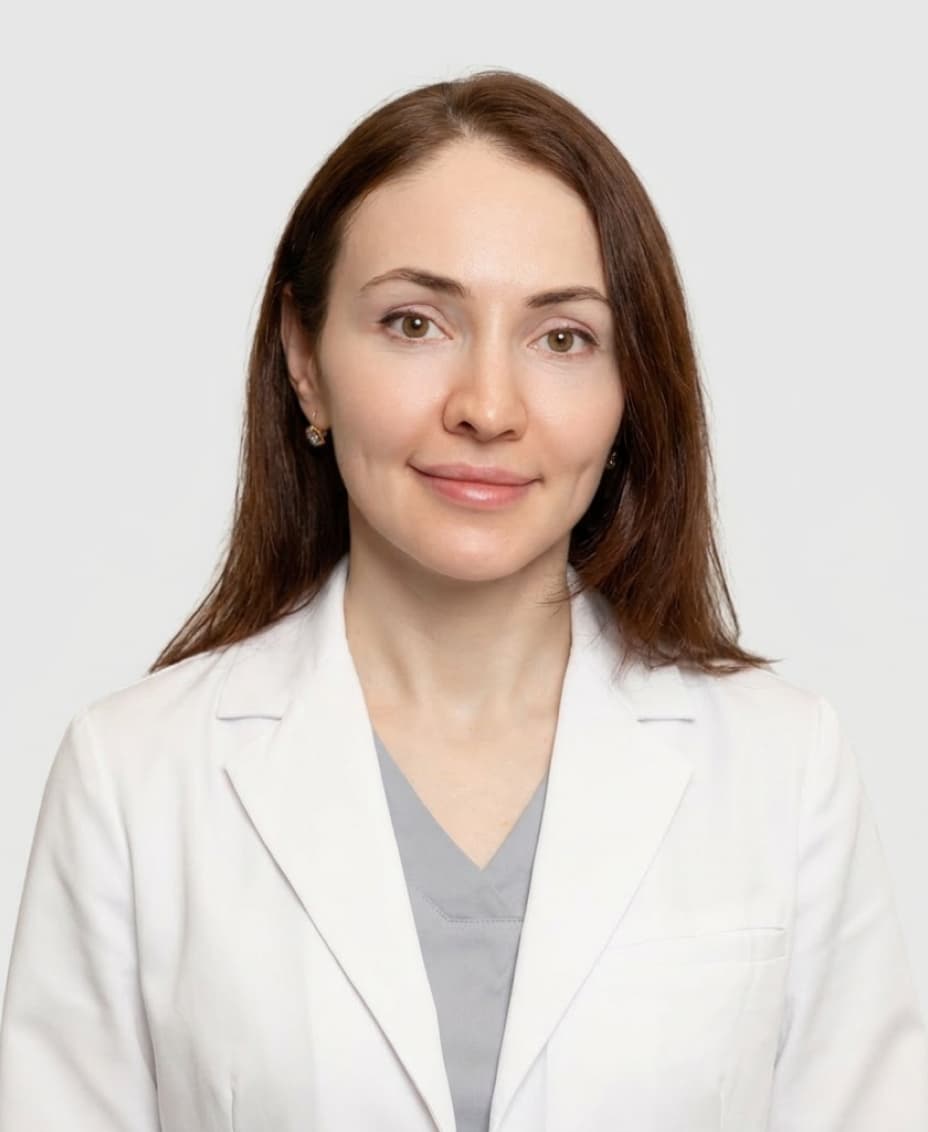
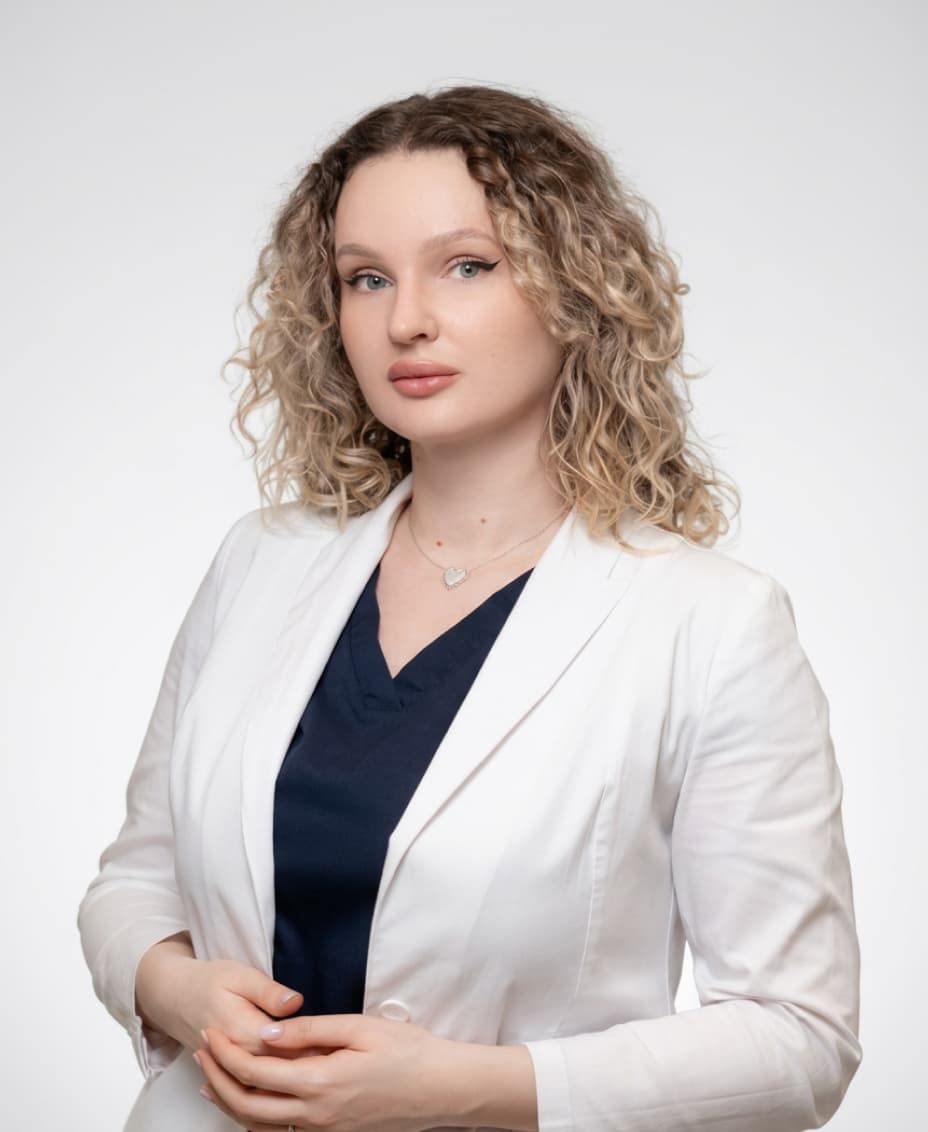
A team that continues the traditions of Professor A.I. Nerobeev's school. Our specialists not only practice but also teach, developing unique techniques in reconstructive and aesthetic medicine.


Leave your number and we will contact you