 My Account
 +7 (495) 129 37 00
 st. Derbenevskaya, 9
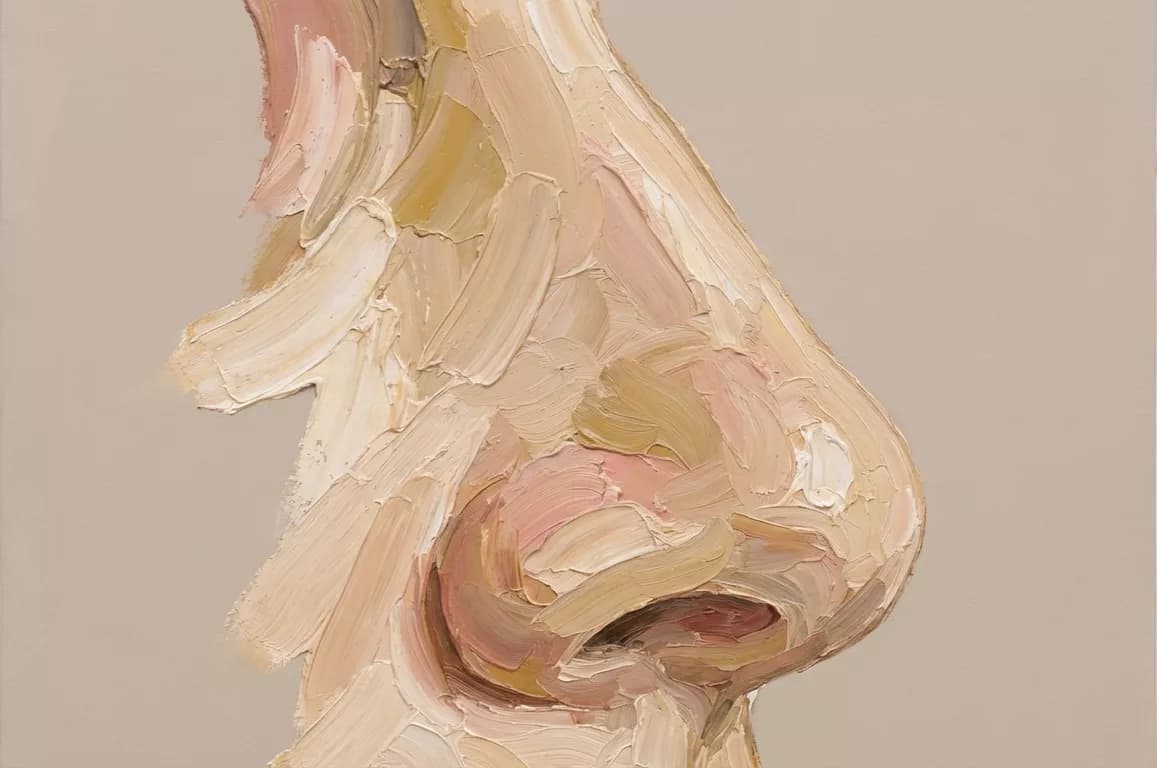
Nose Plastic Surgery (Rhinoplasty)
Shape, size, hump, tip, nostril width, septum correction via open/closed method with bone-cartilage framework modeling for harmonious facial proportions.
Aesthetic Rhinoplasty
Shape, size, hump, tip, wings correction via open/closed method for harmonious facial proportions without functional impairment.
Functional Rhinoplasty (Septoplasty, Turbinate Hypertrophy Correction)
Functional Rhinoplasty (Septoplasty, Turbinate Hypertrophy Correction) Crooked nasal septum straightening, hypertrophied turbinates removal/reduction, polyps and adenoids elimination to restore full nasal breathing with snoring, sinusitis, rhinitis.
Available sections:
Rhinoplasty, or nose surgery, is one of the most complex and in-demand procedures in plastic surgery. It is aimed at changing the shape, size, and proportions of the nose for aesthetic purposes, restoring nasal breathing, or reconstructing the nose after trauma, oncological surgery, or congenital deformities.
At Iskusstvo Clinic in Moscow, rhinoplasty is performed by surgeons trained in the school of Professor A.I. Nerobeev, who possess a unique combination of competencies in aesthetic plastic surgery, maxillofacial surgery, and microsurgical technique.
The philosophy of rhinoplasty at Iskusstvo Clinic is based on the principle of functional aesthetics: the nose should not only look harmonious, but also fully perform its functions, including free breathing, warming, and humidifying the air. Therefore, when planning aesthetic rhinoplasty, the surgeon always evaluates the condition of the internal nasal structures and, if necessary, combines shape correction with restoration of nasal breathing.
Indications
Aesthetic Indications
A hump on the nasal bridge
A wide or asymmetric nasal bridge
A disproportionately large or small nose
A wide, drooping, thickened, or asymmetric nasal tip
Wide nostrils requiring correction of the nasal wings
Nasal asymmetry
A long nose or a nose with a drooping tip
Saddle nose deformity
Functional Indications
Deviated nasal septum causing breathing difficulty
Hypertrophy, or enlargement, of the nasal turbinates
Chronic vasomotor or hypertrophic rhinitis that does not respond to conservative therapy
Nasal valve insufficiency, including collapse of the internal or external nasal valve
Reconstructive Indications
Post-traumatic nasal deformities
Defects after oncological surgery
Congenital anomalies, including cleft lip and palate with nasal deformity
Unsatisfactory result of previous rhinoplasty, requiring revision rhinoplasty
Types of Procedures and Methods
Iskusstvo Clinic offers a full range of rhinoplasty procedures, from subtle aesthetic correction to complex reconstructive surgery using autografts.
Aesthetic Rhinoplasty
Aesthetic rhinoplasty changes the shape and proportions of the nose to achieve harmony with other facial features. It may include correction of the nasal bridge, such as hump removal, narrowing, or straightening; tip remodeling, including narrowing, lifting, and shape correction; nostril width correction; and shortening or lengthening of the nose.
Functional Rhinoplasty
Functional rhinoplasty is surgical restoration of nasal breathing. It includes septoplasty, or correction of a deviated septum; turbinoplasty, or reduction of enlarged nasal turbinates; and reconstruction of the nasal valves. It is often combined with aesthetic rhinoplasty in a procedure known as rhinoseptoplasty.
Reconstructive Rhinoplasty
Reconstructive rhinoplasty restores the nose after trauma, oncological resections, or congenital deformities. It may involve the use of autologous cartilage from the septum, auricle, or rib cartilage, bone grafts, and, in complex cases, microsurgical flaps. The microsurgical expertise of Iskusstvo Clinic surgeons allows them to perform the most complex reconstructive cases.
How the Procedure Is Performed
Rhinoplasty is performed in the clinic’s inpatient surgical facility. Preoperative preparation includes a detailed consultation with the surgeon, photographic documentation, and, if necessary, computer simulation of the expected result. Assessment of nasal breathing is mandatory. If indicated, CT imaging of the paranasal sinuses is performed. Standard laboratory tests and a consultation with an anesthesiologist are also required.
Rhinoplasty may be performed using an open, external approach or a closed, endonasal approach. In the open approach, a small incision is made on the columella, the skin bridge between the nostrils, giving the surgeon maximum visibility of all nasal structures. In the closed approach, all incisions are located inside the nasal passages, leaving no external scars. The choice of approach depends on the goals of the procedure and the surgeon’s preference.
The procedure is performed under general anesthesia. Duration varies from 1.5 to 3 hours for primary rhinoplasty and up to 4–5 hours for complex reconstructive and revision cases. The patient usually stays in the clinic for one to two days.
Rehabilitation
After surgery, a plaster or thermoplastic splint is applied to the nose to fix the bones and cartilage in the new position. The splint is worn for 7–10 days. Intranasal tampons or splints, if used, are removed after 1–2 days.
Swelling and ecchymosis, or bruising, around the nose and eyes are most pronounced during the first 3–5 days and gradually resolve over 2–3 weeks. Most swelling subsides by the end of the first month, but the final shape of the nose forms over 6–12 months. This is due to gradual tissue remodeling, especially in the nasal tip.
Return to social activity is possible after 10–14 days. Contact sports and significant physical activity should be restricted for 2–3 months. Glasses may be worn 4–6 weeks after splint removal; before that, only contact lenses are recommended. Recovery timelines are individual.
Risks and Complications
Possible complications include bleeding, hematoma, infection, asymmetry, unsatisfactory aesthetic result, impaired nasal breathing, septal perforation, reduced sense of smell, undercorrection or overcorrection, visible graft contours, and the need for revision surgery. According to the literature, the rate of revision rhinoplasty ranges from 5 to 15%. All potential risks are discussed in detail with the surgeon during the consultation.
Contraindications
Absolute Contraindications
Decompensated cardiovascular, liver, or kidney diseases
Blood clotting disorders
Active oncological disease
Acute infectious diseases
Mental disorders that prevent informed consent and the formation of realistic expectations
Relative Contraindications
Age under 18, except in cases of functional or reconstructive indications
Smoking, with cessation recommended 2–4 weeks before surgery
Diabetes mellitus, requiring compensation
Chronic inflammatory diseases of the nasal cavity and sinuses, assessed individually
Pregnancy and breastfeeding
The final decision on whether surgery can be performed is made by the doctor.
Why Choose Iskusstvo Clinic
The School of Professor Nerobeev
The surgeons have deep knowledge of nasal and facial anatomy, acquired through specialization in maxillofacial and reconstructive surgery.
Full Range of Procedures
The clinic performs everything from subtle aesthetic correction to the most complex reconstructions using autografts and microsurgical flaps within one medical center.
Functional Approach
Every rhinoplasty is planned with nasal breathing in mind. If necessary, aesthetic correction is combined with septoplasty and nasal valve reconstruction.
Microsurgical Expertise
Skills in working with vessels and nerves less than 1 mm in diameter provide high precision in complex reconstructive procedures.
Equipment
The clinic has 5 operating rooms equipped with endoscopic and microsurgical equipment, as well as 12 inpatient rooms within a 4,000 sq. m medical facility.
Frequently Asked Questions
At What Age Can Rhinoplasty Be Performed?
Aesthetic rhinoplasty is recommended after facial skeletal growth is complete, usually after the age of 18. Functional rhinoplasty, such as septoplasty for significant breathing difficulty, and reconstructive rhinoplasty after trauma or in congenital deformities may be performed at an earlier age for medical reasons. The decision is made individually.
Which Approach Is Better: Open or Closed?
Each approach has its advantages. The open approach provides maximum visibility and control in complex corrections involving the tip, bridge, septum, or grafts. The closed approach leaves no external scar and may be preferable for isolated, less extensive corrections. The surgeon recommends the approach that is optimal for the specific task.
When Will the Final Result Be Visible?
The main shape of the nose is visible as early as 1–2 months after splint removal. However, the final result forms over 6–12 months, and in patients with thick skin, up to 18 months. This is due to gradual remodeling of the soft tissues, especially in the nasal tip area.
Can Rhinoplasty Be Combined with Other Procedures?
Yes. Rhinoplasty is often combined with septoplasty, or rhinoseptoplasty, facelift, blepharoplasty, and genioplasty, or chin correction. Combining rhinoplasty with genioplasty can be especially effective, as the balance between nose and chin projection is a key factor in a harmonious facial profile.
Will the Scar Be Visible After Rhinoplasty?
With the closed approach, all incisions are located inside the nose, so there are no external scars. With the open approach, a small 3–5 mm scar remains on the columella, the bridge between the nostrils, and becomes almost invisible after several months. When the nasal wings are corrected, scars are placed in the natural folds at the base of the nostrils.
How Painful Is Rhinoplasty?
The procedure is performed under general anesthesia, so there is no pain during surgery. In the postoperative period, patients more often describe a feeling of congestion and pressure rather than pain. Severe pain is not typical. The main discomfort is related to the inability to breathe through the nose during the first 1–2 days, if tampons are used, and to swelling.
OUR SPECIALISTS
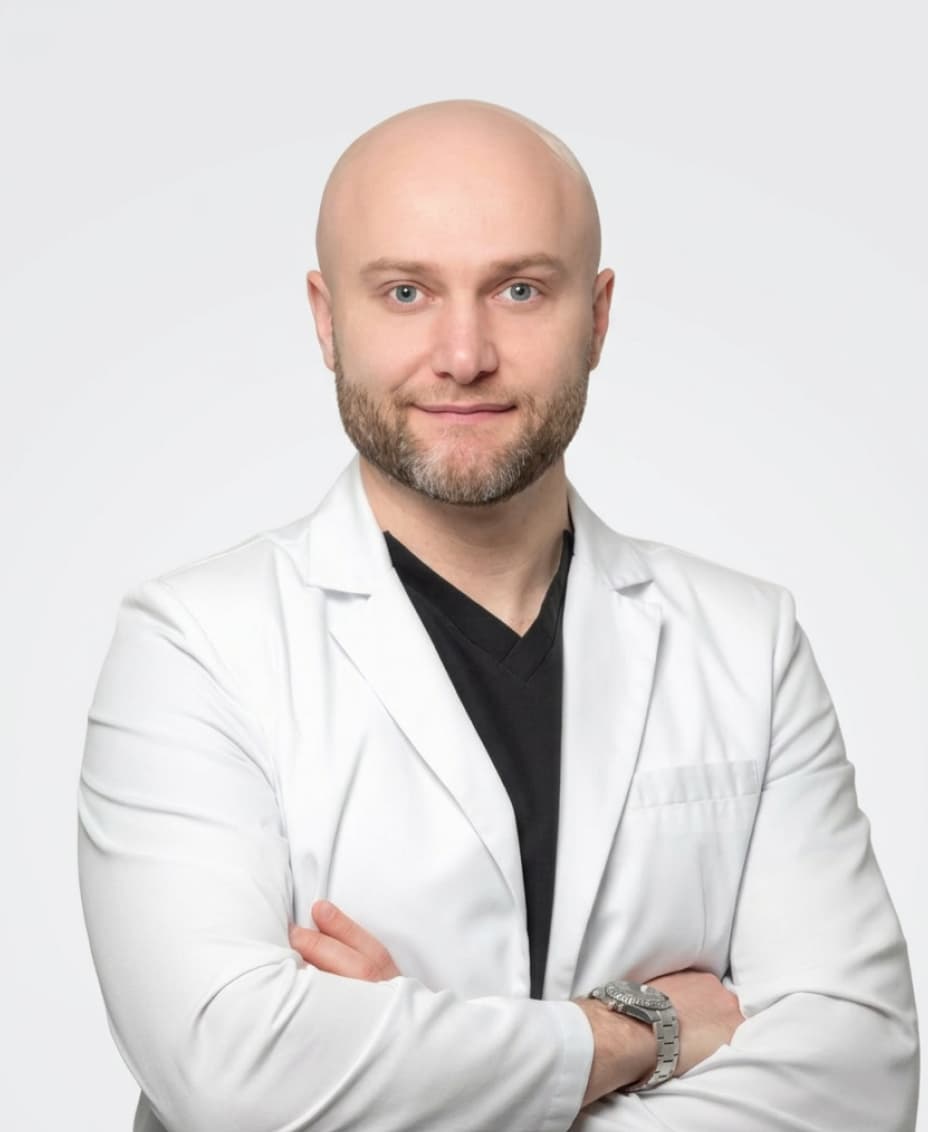
A team that continues the traditions of Professor A.I. Nerobeev's school. Our specialists not only practice but also teach, developing unique techniques in reconstructive and aesthetic medicine.

Leave your number and we will contact you