 My Account
 +7 (495) 129 37 00
 st. Derbenevskaya, 9
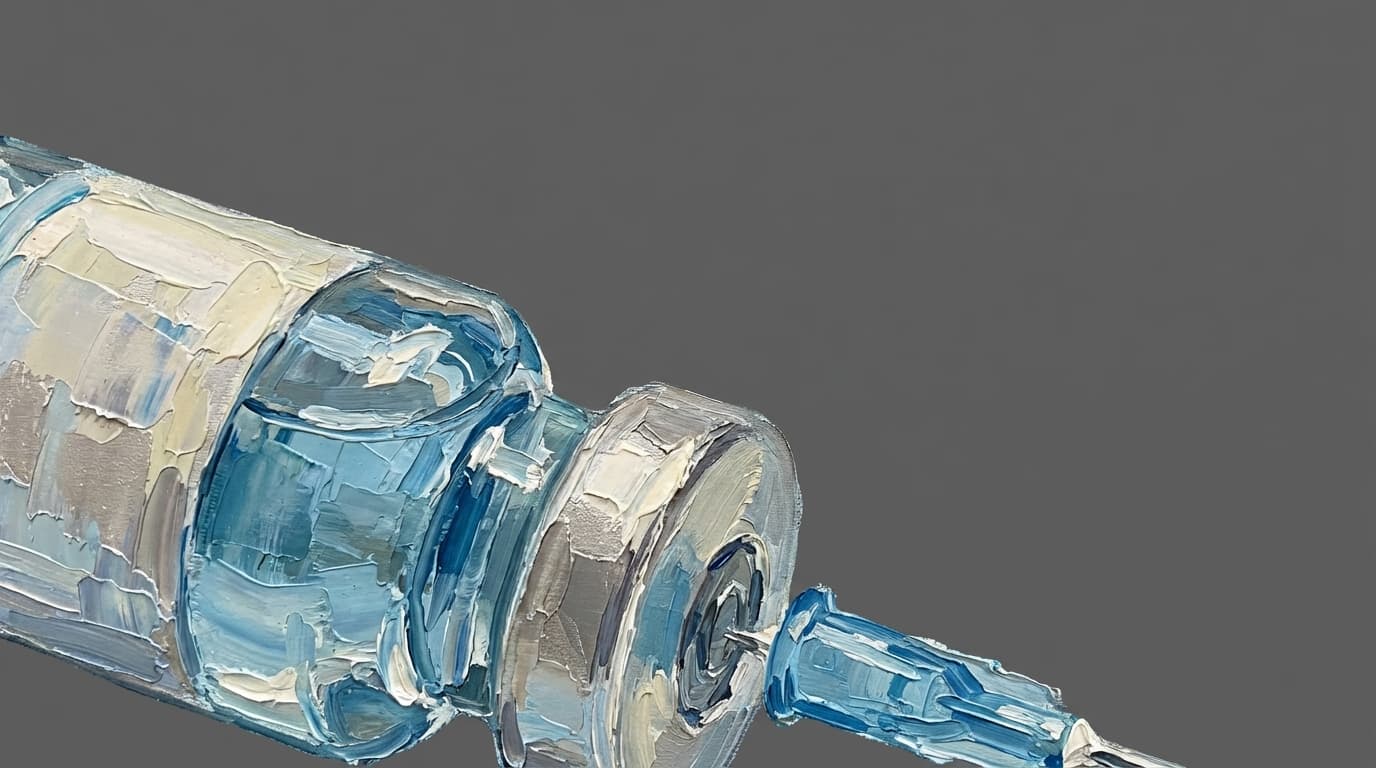
Anesthesia in Plastic Surgery
Individually selected anesthesia (local, sedation, general, intravenous or combined) ensures complete comfort, safety and painlessness during any complexity surgery.
Available sections:
Anesthesia in plastic surgery is a field of anesthesiology that ensures patient comfort, safety, and pain control during plastic and reconstructive procedures. At Iskusstvo Clinic, anesthesia care is provided by qualified anesthesiologists with experience in facial and body surgery.
The choice of anesthesia method is determined jointly by the surgeon and anesthesiologist based on the scope of surgery, its duration, the treatment area, the patient’s health status, and the patient’s preferences.
Types of Anesthesia
Local Anesthesia with Anesthesiologist Support
Local anesthesia involves injecting an anesthetic directly into the surgical area. The patient remains conscious but does not feel pain. The anesthesiologist monitors the patient’s condition and, if necessary, adds sedation.
Intravenous Anesthesia, or Sedation
Intravenous anesthesia involves administering medications through a vein to provide sleep and pain control. The patient sleeps and breathes independently. This method is optimal for medium-duration procedures.
Inhalation Anesthesia with a Laryngeal Mask
Inhalation anesthetics are delivered through a laryngeal mask, without tracheal intubation. This is a gentle method of general anesthesia for procedures lasting up to 2–3 hours.
Combined Endotracheal General Anesthesia
This is the deepest and most controlled type of anesthesia. It combines inhalation and intravenous anesthetics with tracheal intubation. It is used for long and extensive procedures, such as facelift, body lift, and DIEP reconstruction.
Anesthesia Safety
Iskusstvo Clinic has 5 operating rooms equipped with modern anesthesia and respiratory equipment with monitoring systems, including ECG, pulse oximetry, capnography, non-invasive blood pressure monitoring, and temperature control. The anesthesiologist continuously monitors all vital parameters throughout the entire procedure and during the early postoperative period.
A preoperative consultation with an anesthesiologist is mandatory. It includes assessment of anesthetic risk, or ASA classification, discussion of chronic diseases and medications, selection of the anesthesia method, and answers to the patient’s questions.
Frequently Asked Questions
Is General Anesthesia Dangerous?
Modern anesthesia is one of the safest medical procedures. The risk of serious complications during planned surgery in healthy patients is extremely low. Careful preoperative examination and monitoring during surgery help minimize risks.
How Quickly Will I Wake Up After Anesthesia?
Modern anesthetics allow rapid awakening, usually within 5–15 minutes after the end of surgery. Full recovery of clear consciousness usually occurs within 1–2 hours. Nausea and drowsiness may persist for several hours.
Can I Choose the Type of Anesthesia?
The patient’s preferences are taken into account, but the final decision is made by the anesthesiologist together with the surgeon based on medical indications. Safety is the priority.
During the consultation, the anesthesiologist will answer all questions and select the optimal pain control method for your procedure.
Postoperative Pain Management
Patient comfort after surgery is an important part of anesthesia care. The anesthesiologist prescribes a postoperative pain management plan, which may include nonsteroidal anti-inflammatory drugs, narcotic analgesics if necessary during the first 24 hours, and local infiltration of the surgical area with a long-acting anesthetic.
The goal is to minimize pain during the first 24–48 hours, when it is usually most pronounced.
At Iskusstvo Clinic, after surgery the patient remains under the supervision of the anesthesiologist and medical staff in a comfortable room until full recovery from anesthesia. Discharge criteria after outpatient procedures include stable vital signs, clear consciousness, absence of nausea, adequate pain control, and the ability to move independently. The patient receives written recommendations and a contact phone number for communication with the surgeon.
Prevention of postoperative nausea and vomiting, or PONV, is an important aspect of anesthesia care in plastic surgery. PONV is not only uncomfortable, but may also increase intra-abdominal pressure, which can be risky after abdominoplasty, or cause bleeding in the surgical area after rhinoplasty or facelift.
The anesthesiologist assesses the individual risk of PONV, including sex, tendency to motion sickness, and non-smoking status, and prescribes preventive measures such as dexamethasone, ondansetron, and propofol-based anesthesia techniques.
The anesthesiologist at Iskusstvo Clinic accompanies the patient from the moment of admission to the operating room until full recovery from anesthesia in the patient room. Monitoring is continuous and includes pulse, blood pressure, oxygen saturation, breathing, temperature, and level of consciousness. All parameters are documented in the anesthesia record.
For outpatient procedures, the patient is discharged only after full recovery. The discharge criteria are assessed by the anesthesiologist.
OUR SPECIALISTS
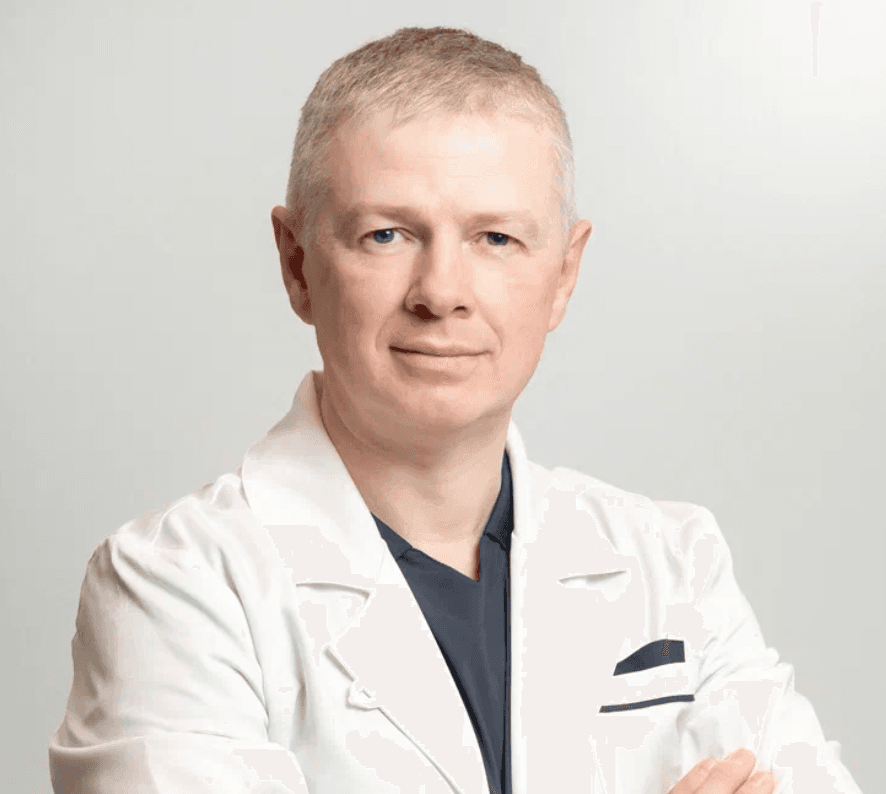
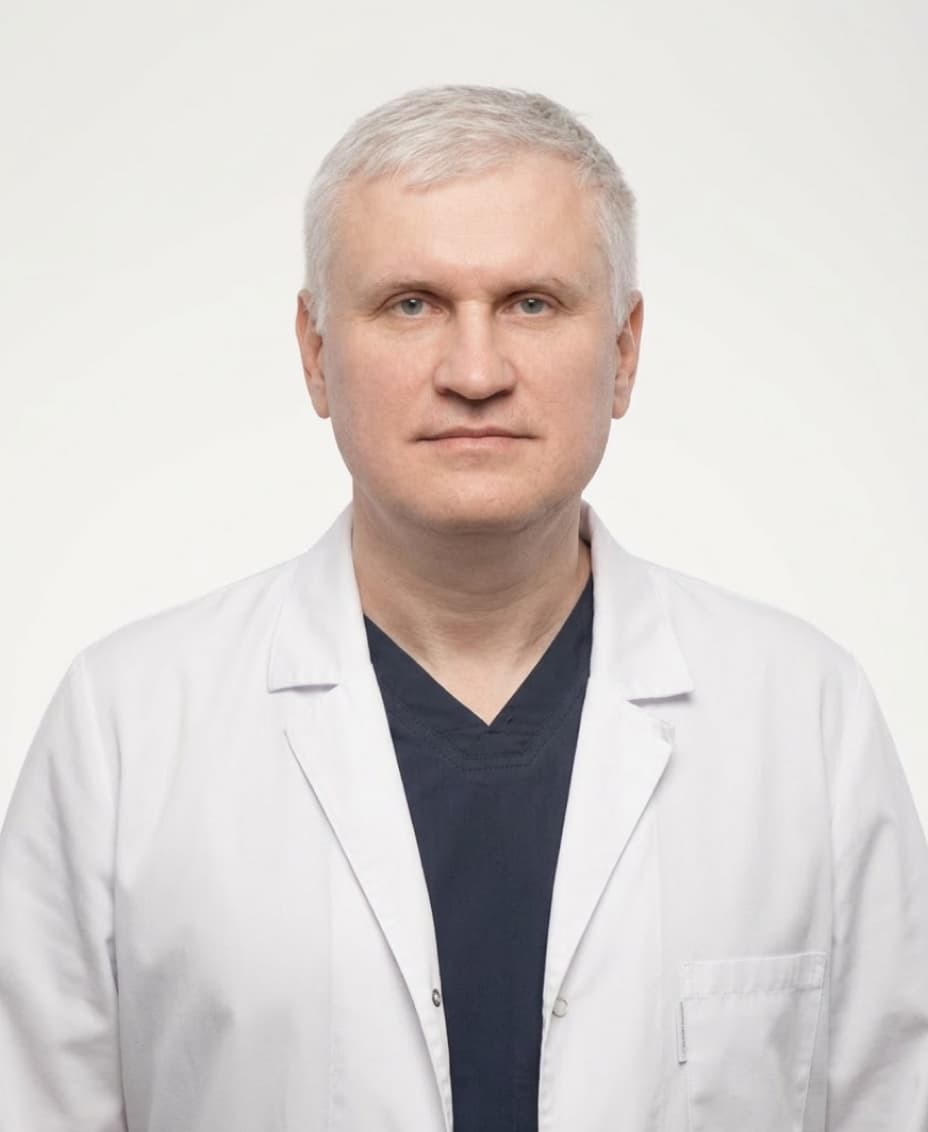
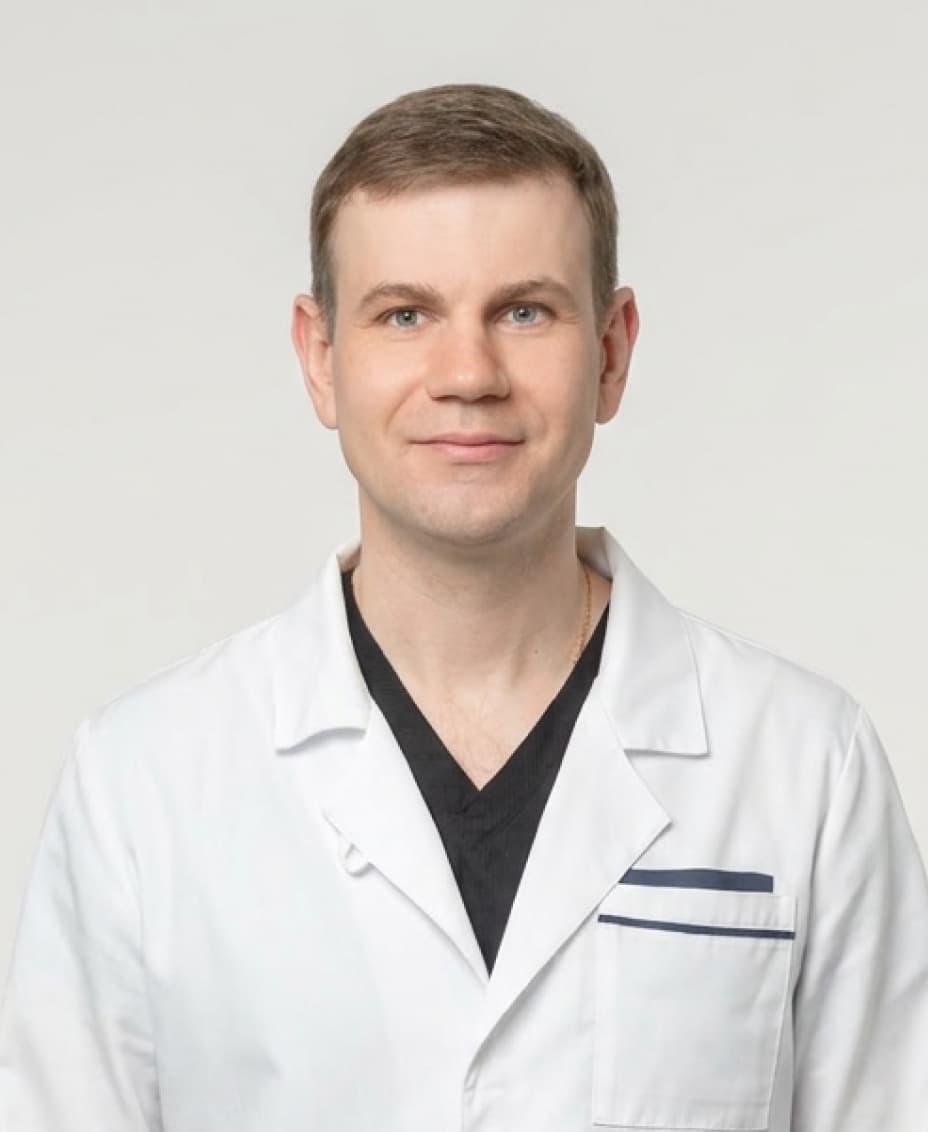
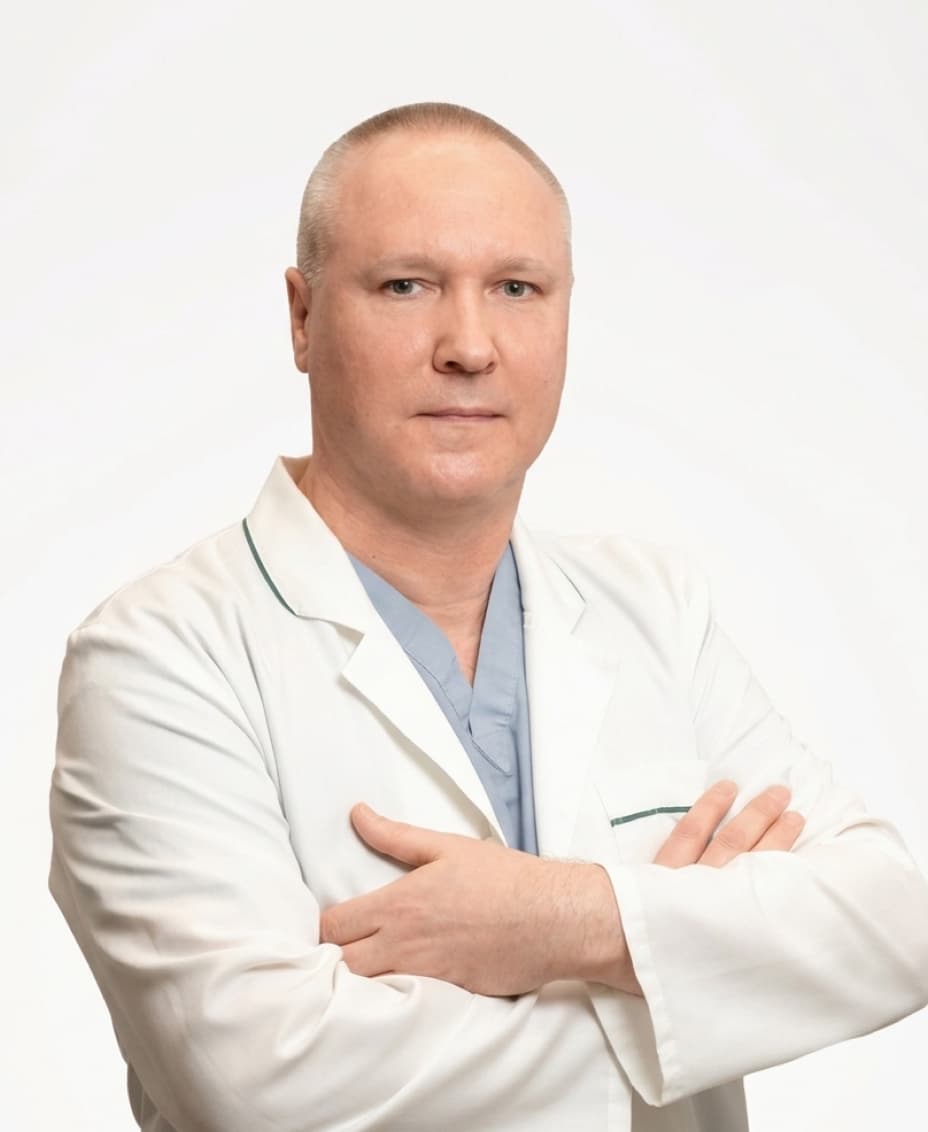
A team that continues the traditions of Professor A.I. Nerobeev's school. Our specialists not only practice but also teach, developing unique techniques in reconstructive and aesthetic medicine.


Leave your number and we will contact you