 My Account
 +7 (495) 129 37 00
 st. Derbenevskaya, 9

Reconstructive and Plastic Surgery of the Maxillofacial Area
Available sections:
Reconstructive and Plastic Surgery of the Maxillofacial Region
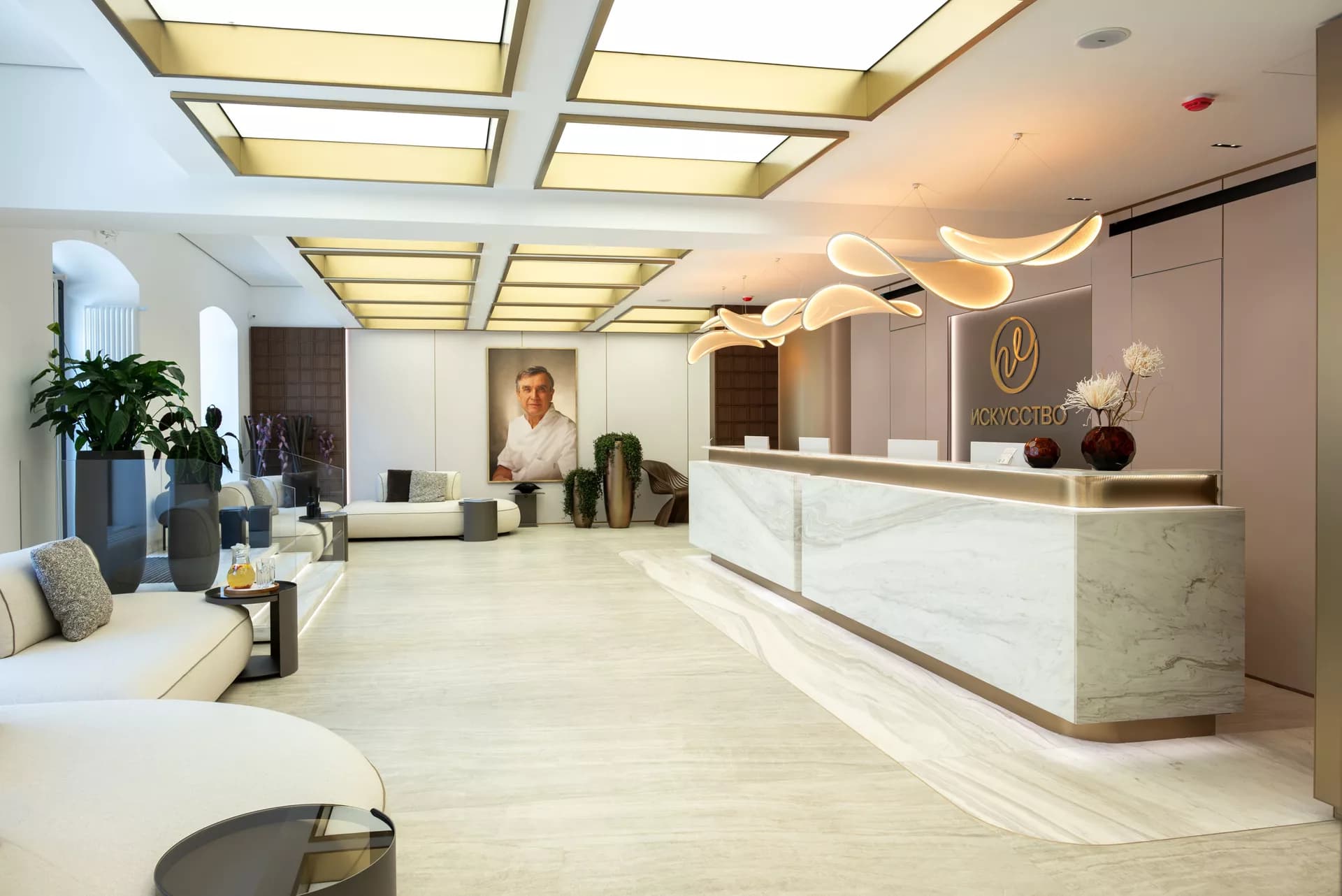
Reconstructive and plastic surgery of the maxillofacial region is a field of surgery that addresses two goals at the same time: restoring function, including breathing, chewing, speech, and swallowing, and restoring the person’s appearance. At Iskusstvo Clinic in Moscow, this field is led by surgeons trained in the school of Professor A.I. Nerobeev, specialists who completed training at the Department of Plastic and Maxillofacial Surgery of RMANPO and worked at the Clinic of Reconstructive Surgery of the Face and Neck at the Central Research Institute of Dentistry and Maxillofacial Surgery.
Patients in this field include people with congenital facial anomalies, consequences of trauma or surgery, and scar deformities. For each of them, reconstruction is not a cosmetic procedure, but an opportunity to eat, speak, breathe, and look in the mirror without pain. This is why the clinic’s surgeons approach every case as a multilayered task, where function and appearance are one shared goal.
Indications
Reconstructive surgery of the maxillofacial region is indicated for a wide range of conditions, including congenital, acquired, and postoperative cases:
Congenital cleft lip and palate, including bilateral and combined forms
First and second branchial arch syndromes, congenital developmental anomalies affecting the structures of the ear, lower jaw, and facial soft tissues
Post-traumatic defects and deformities: consequences of fractures, gunshot wounds, and burns
Postoperative defects after removal of tumors, cysts, and extensive lesions
Scar deformities of the face with functional impairment, including limited mouth opening, nasal ala deformity, and ectropion of the eyelids and lips
Defects after osteomyelitis or necrotizing infections
Two Main Directions
Within this section, the clinic performs two types of procedures, each presented on a separate page.
Treatment of Congenital Anomalies
Cleft lip and palate, as well as first and second branchial arch syndromes, are conditions that require staged surgical treatment, often starting in the first months of life and continuing into adulthood. The surgeon’s task is not only to close the anatomical defect, but also to support proper development of speech, bite, and nasal structures.
→ More information: Treatment of Congenital Anomalies, Including Cleft Lip and Palate and Branchial Arch Syndromes
Correction of Post-Traumatic and Postoperative Defects
These are defects of the facial soft tissues and bones caused by trauma, oncological surgery, or severe infections. Restoration may include local tissue plastic surgery, skin grafts, transferred flaps, or, in extensive defects, microsurgical reconstruction.
→ More information: Correction of Post-Traumatic and Postoperative Defects
How Treatment Is Performed
Reconstructive facial procedures are usually multi-stage. The initial consultation includes a detailed examination, review of images, such as CT and, if necessary, MRI, and assessment of functional impairments. Based on this, the surgeon creates a treatment plan: the sequence of stages, methods, and expected results of each step.
Operations are performed under general anesthesia. The duration depends on the scope of intervention: from 1–2 hours for small corrective procedures to 6–10 hours for complex multicomponent reconstructions. The clinic’s infrastructure, including 5 operating rooms and 12 inpatient rooms, makes it possible to perform operations of any level of complexity with full anesthesiology support.
Rehabilitation
Recovery timelines are individual and depend on the scope of surgery. After small corrective operations, the patient is discharged after 2–5 days. After complex multi-stage reconstructions, hospitalization may last 10–14 days. The final result forms over 6–12 months as scars mature and tissues adapt.
In some cases, rehabilitation includes speech therapy correction after palate surgery, orthodontic treatment for bite anomalies associated with congenital defects, and follow-up with related specialists. At the clinic, all these fields work within one space.
Risks and Complications
General surgical risks include reactions to anesthesia, infectious complications, and healing disorders. Specific risks of facial reconstructive surgery, such as partial necrosis of transferred tissues, scar deformity, and asymmetry, depend on the size of the defect, the condition of the tissues, and the staged nature of treatment.
All risks are discussed with the surgeon during the consultation.
Contraindications
Absolute and relative contraindications are identified during preoperative examination. General limitations include severe systemic diseases in the stage of decompensation, active infectious processes, and uncorrectable blood clotting disorders.
The patient’s age in congenital anomalies is a separate planning issue: most stages of cleft treatment are performed during strictly defined developmental periods. The final decision is made by the surgeon.
Why Choose Iskusstvo Clinic
The Nerobeev Reconstructive School
Professor A.I. Nerobeev is the author of monographs on reconstructive surgery of the face and neck. Under his supervision, 9 doctoral and 35 candidate dissertations were defended. The clinic’s surgeons are his direct students, specializing specifically in reconstructive facial surgery.
Comprehensive Approach
Surgery, orthodontics, dentistry, and speech therapy work within one space. This is especially important in the treatment of congenital anomalies, where the result depends on coordinated work between several specialists over several years.
Experience with Complex Cases
The clinic works with patients who have been refused treatment at other institutions, including those with extensive postoperative defects, severe scar deformities, and repeat interventions after unsuccessful operations.
Frequently Asked Questions
Can an Adult with Cleft Lip or Palate Seek Treatment If Surgery Was Not Performed in Childhood or Gave an Incomplete Result?
Yes. Adult patients can undergo corrective procedures, including refinement of the shape of the lip and nose, correction of scar deformity, and palate correction in cases of speech impairment.
The scope of intervention is determined individually during the consultation.
How Many Surgical Stages Are Usually Required to Treat a Cleft?
It depends on the type of cleft and the age at which treatment begins. With complete cleft lip and palate, the standard plan includes several stages, from primary cheiloplasty at an early age to corrective operations during adolescence and adulthood.
The exact plan is created by the surgeon after the initial examination.
How Long Is Recovery After Reconstructive Facial Surgery?
The inpatient treatment period ranges from 2–5 days to 10–14 days, depending on the scope of surgery. Visible swelling and bruising usually resolve within 2–4 weeks.
The final result appears after 6–12 months, when the scars have fully matured.
Are Visible Scars Left After Reconstructive Surgery?
Any operation leaves a scar. The surgeon’s task is to minimize its visibility by placing it in natural facial folds and using techniques that reduce tissue tension.
The quality of the scar depends on the surgical method, individual skin characteristics, and proper care during healing.
Can Reconstructive Surgery Be Combined with Aesthetic Correction?
In some cases, yes. For example, during correction of a cleft-related nasal deformity, the overall shape of the nose may also be improved.
The possibility of combining stages is discussed with the surgeon. Sometimes it is appropriate, and sometimes it is safer to separate the procedures.
Book a Consultation
Book a consultation. The surgeon will assess your case, explain the treatment sequence, and answer all questions.
OUR SPECIALISTS
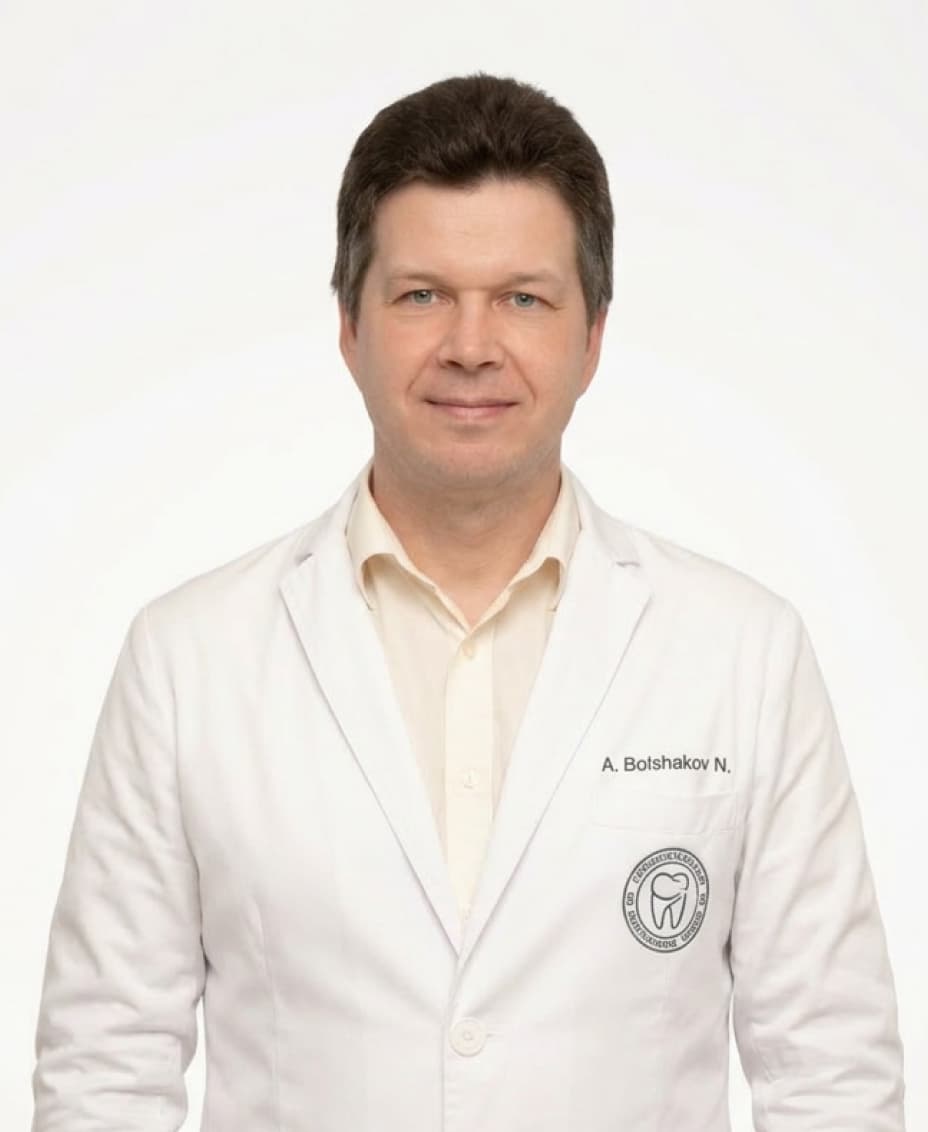
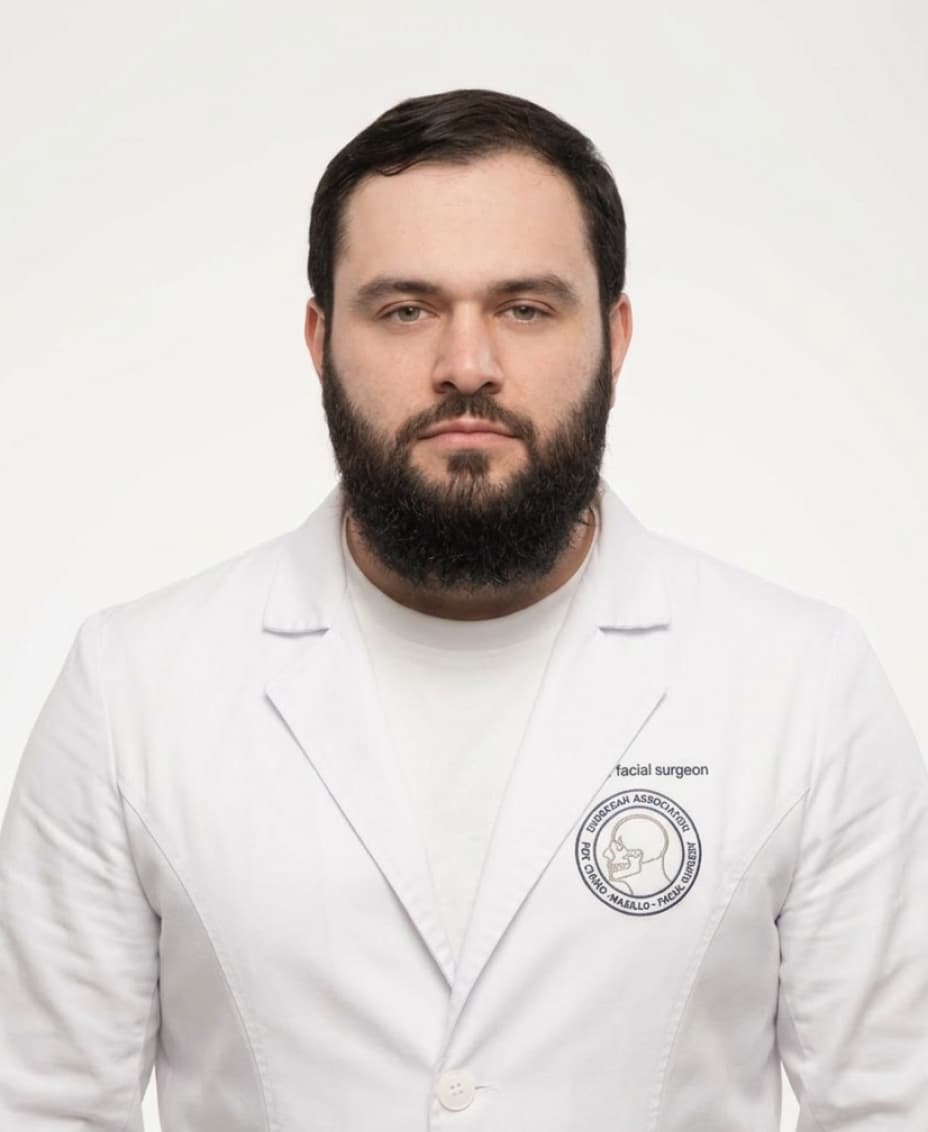
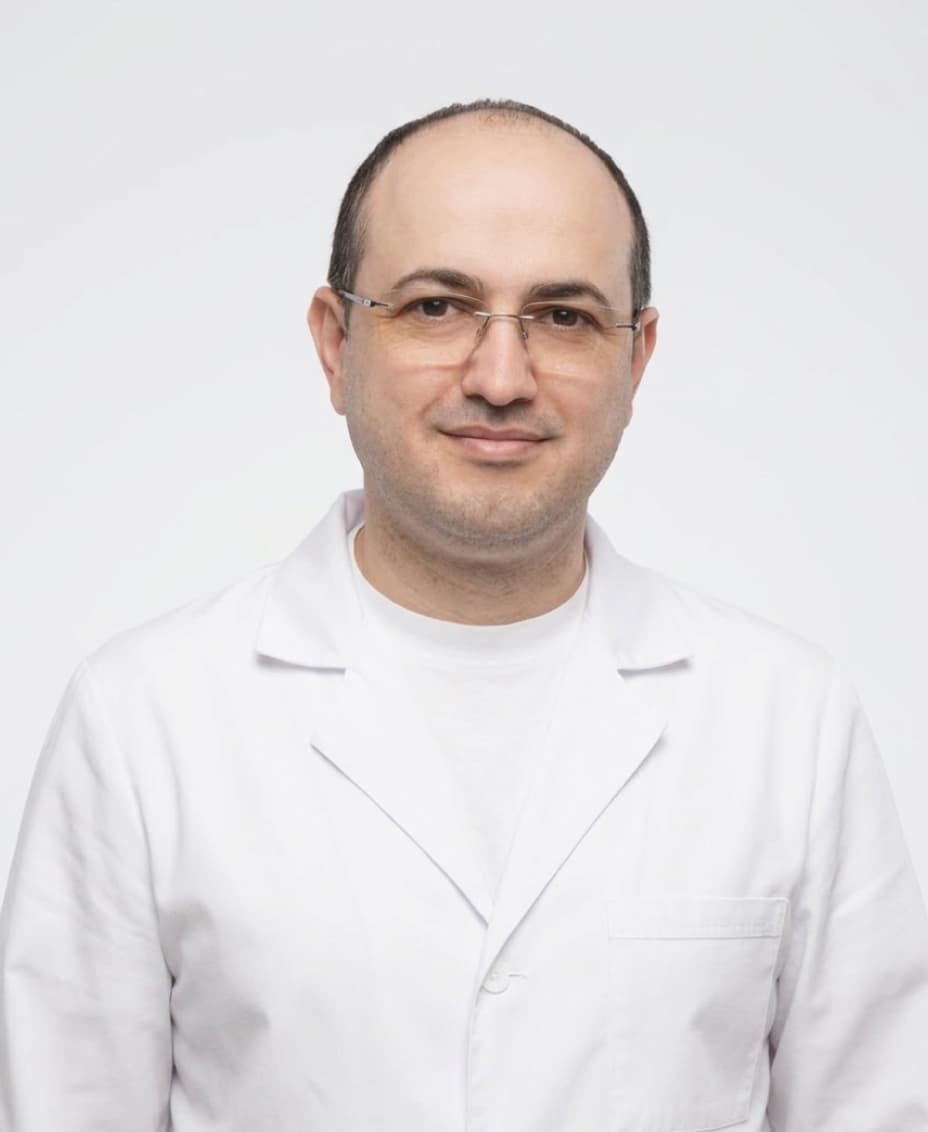
A team that continues the traditions of Professor A.I. Nerobeev's school. Our specialists not only practice but also teach, developing unique techniques in reconstructive and aesthetic medicine.
Leave your number and we will contact you