 My Account
 +7 (495) 129 37 00
 st. Derbenevskaya, 9
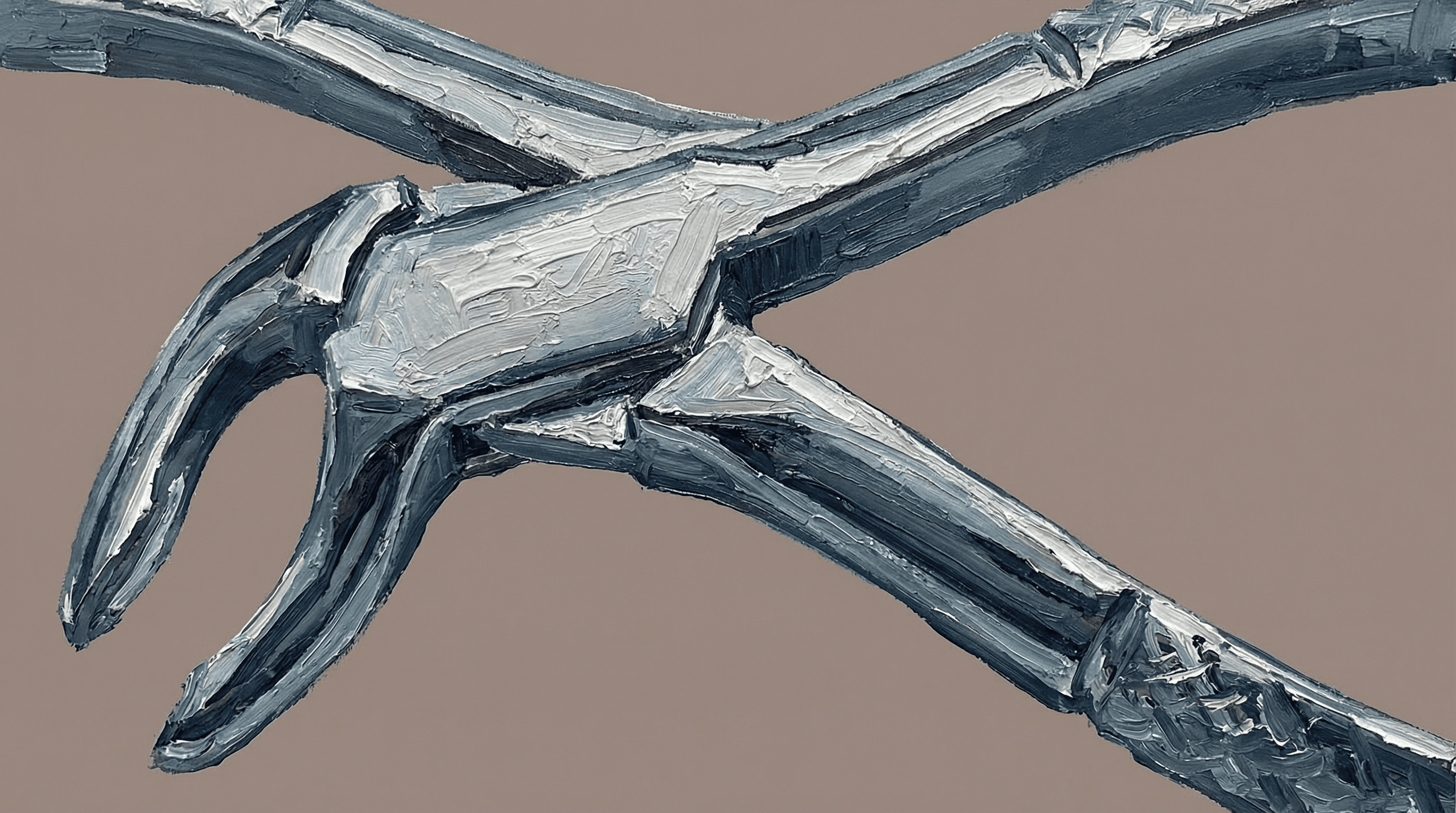
Surgical Dentistry
Tooth extraction, implantation, gum and bone grafting for oral cavity preparation for prosthetics and function restoration.
Tooth Extraction
Simple or surgical tooth removal using forceps, elevator or ultrasound for inflammation, trauma or orthodontic indications.
Impacted/Dystopic Tooth Removal
Surgical removal of hidden wisdom teeth in gum or bone via incision, root segmentation with ultrasound or laser preserving healthy tissues.
Available sections:
Surgical dentistry is a branch of dentistry that includes all operative procedures in the oral cavity, from simple tooth extraction to extensive reconstructive operations on the jaw bone tissue.
The main principle of surgical dentistry at Iskusstvo Clinic is to work with long-term perspective: every decision is made not only with the current task in mind, but also with the future result. What will the bone look like in six months? What will replace the extracted tooth? What volume of regenerate is needed for reliable osseointegration? This logic, surgery in the service of prosthetic rehabilitation, defines the strategy of every intervention.
Iskusstvo Clinic has 5 operating rooms and 12 patient rooms, which allows us to perform procedures of any scale, either on an outpatient basis under local anesthesia or in an inpatient setting under intravenous sedation or general anesthesia. All dental surgeons at the clinic have training in maxillofacial surgery and work as one team with implantologists, prosthodontists, and periodontists. This prevents a gap between the surgical and prosthetic stages, which often causes failures when treatment is performed in different clinics.
What Surgical Dentistry Includes
Tooth extraction, simple and complex. Simple extraction is performed with forceps when the crown is easily accessible. Complex surgical extraction is used for severely damaged teeth, curved roots, hypercementosis, and impacted or malpositioned teeth, especially wisdom teeth, which may require an incision, flap elevation, and tooth sectioning.
Dental implantology. This is the first surgical stage of tooth restoration: placement of a titanium implant into the bone followed by osseointegration and prosthetic restoration.
Bone grafting: augmentation. Restoration of lost bone volume using laminate technique, IDR, or volumetric bone blocks, either before or simultaneously with implant placement.
Sinus lift. Elevation of the maxillary sinus floor to create sufficient bone volume for implant placement in the posterior upper jaw. It may be performed using an open or closed technique depending on the available bone height.
Guided bone regeneration. Isolation of the defect area with a barrier membrane and filling with bone material for predictable bone formation in the volume required for the implant.
Indications for Surgical Dental Treatment
- A tooth cannot be restored: destruction down to the root, vertical fracture, terminal periodontitis.
- Impacted or unerupted and malpositioned teeth with inflammation or pressure on adjacent teeth.
- Missing teeth with sufficient bone volume, for implant placement.
- Bone deficiency that makes direct implant placement impossible, requiring augmentation.
- Insufficient bone height in the posterior upper jaw, requiring sinus lift.
- Horizontal or vertical bone defect around an implant, requiring guided bone regeneration.
- Orthodontic indications: tooth extraction to create space in the dental arch.
Preoperative Preparation
Radiographic diagnostics is a mandatory stage. A periapical X-ray may be sufficient for simple extractions. CBCT is used for impacted wisdom teeth to assess the distance to the mandibular nerve, for implant planning to evaluate bone volume and sinus anatomy, for sinus lift planning to assess bone height and the Schneiderian membrane, and for bone grafting. CBCT measures the distance to critical anatomical structures with an accuracy of up to 0.1 mm and allows the surgeon to plan the operation virtually before the first incision.
Contraindications to Planned Surgery
- Acute infectious diseases and elevated body temperature: surgery is postponed until recovery.
- Decompensated diabetes mellitus with HbA1c above 8%: increased risk of infectious complications and impaired healing.
- Uncorrected coagulopathy: risk of uncontrolled bleeding.
- Intravenous bisphosphonate therapy: high risk of medication-related osteonecrosis of the jaw, MRONJ.
- First and third trimesters of pregnancy: elective procedures are postponed.
- Oncological diseases during active chemotherapy or radiation therapy.
This list is not exhaustive. The decision on whether and when surgery can be performed is made by the surgeon after a complete medical history and analysis of examination results.
Why Iskusstvo Clinic
Surgical and Implant Expertise Under One Roof
Dental surgeons and maxillofacial surgeons at the clinic have surgical qualifications that go beyond standard dental training. Operations on impacted teeth near the mandibular nerve, extensive bone reconstructions, and sinus lifts with simultaneous implant placement are daily practice rather than exceptions. The school of Professor Nerobeev, which shaped the clinic’s doctors, sets the standard: every case is considered a complex task with multiple variables.
Digital Planning
CBCT, virtual implant positioning in specialized software, and surgical guide templates provide a level of placement accuracy that cannot be achieved by eye. The guide transfers the virtual plan into the operative field: implant angle, depth, and position are reproduced within 0.1 mm of the planned values.
Full Inpatient Facilities
Five operating rooms with modern equipment, including piezosurgical systems, operating microscopes, and navigation equipment, together with 12 patient rooms allow procedures of any complexity to be performed either on an outpatient basis or in an inpatient setting.
Frequently Asked Questions
Is surgical dental treatment painful?
With modern local anesthesia, no. The patient may feel pressure and vibration, but not pain. If the initial anesthesia is insufficient, the doctor immediately administers an additional injection. Postoperative discomfort during the first 1–3 days is controlled with prescribed pain medication.
Is it better to save a tooth or extract it?
Preserving the tooth is an absolute priority. No implant can fully replace a living tooth. Extraction is performed only when preservation is technically impossible or when the prognosis is fundamentally poor, such as in a vertical root fracture or significant bone loss in terminal periodontitis. In other cases, endodontic, surgical, or periodontal treatment aimed at preserving the tooth is preferred.
Can an implant be placed immediately after tooth extraction?
Yes, if the necessary conditions are met: no acute purulent inflammation in the socket, primary implant stability of at least 35 Ncm, and sufficient apical bone volume. Immediate implantation shortens total treatment time and reduces bone resorption. The possibility is determined using CBCT data and the clinical condition of the socket at the time of surgery.
Are antibiotics needed after every procedure?
No, only when indicated. After a simple extraction in a healthy patient, antibiotics are not required. Indications include implant placement, bone grafting, sinus lift, inflammation before surgery, and systemic diseases such as diabetes, immunodeficiency, or rheumatoid arthritis treated with immunosuppressants. The prescription is strictly individual.
OUR SPECIALISTS
A team that continues the traditions of Professor A.I. Nerobeev's school. Our specialists not only practice but also teach, developing unique techniques in reconstructive and aesthetic medicine.

Leave your number and we will contact you