 My Account
 +7 (495) 129 37 00
 st. Derbenevskaya, 9

Aesthetic Dentistry
Comprehensive procedures to correct teeth shape, color, and position: veneers, whitening, restoration, and smile design for natural and attractive smile.
Available sections:
Aesthetic dentistry in Moscow is a field where medicine meets artistic vision: every case involves work not only with tooth tissues, but also with proportions, color, and smile symmetry. At Iskusstvo Clinic, whose name reflects the philosophy of its work, aesthetic dentistry is built around the principle of beauty created by science: a beautiful smile must be functional, durable, and naturally integrated into the features of each individual person, rather than copied from a template.
The aesthetic result is planned digitally using DSD, Digital Smile Design, before any procedures begin. The patient sees the modeled result and takes part in its approval. This helps prevent disappointment: the teeth truly become yours, not someone else’s.
What Aesthetic Dentistry Includes
Veneers: E-max, composite, zirconia, ceramic, and lumineers. Thin shells cover the front surface of the teeth and transform the smile. More details are available on the Veneers page.
Dental restoration: composite and artistic restoration. This is restoration of tooth shape, color, and volume by the direct method in the dental chair, without a laboratory stage. More details are available on the Dental Restoration page.
Tooth build-up: restoration of chipped, shortened, or worn teeth. More details are available on the Tooth Build-Up page.
Diastema closure: closing the gap between the central incisors using veneers or direct restoration. More details are available on the Diastema Closure page.
Hollywood smile: a comprehensive smile transformation using veneers, restorations, and professional whitening. More details are available on the Hollywood Smile page.
Digital Smile Design, DSD: digital modeling of the future result on photographs and a 3D model before treatment begins. More details are available on the Digital Smile Design page.
Indications for Aesthetic Dentistry
- Changes in tooth color: tetracycline staining, fluorosis-related staining, or discoloration of non-vital teeth.
- Chips, cracks, and shortening of front teeth.
- Spaces between teeth: diastema and tremas.
- Minor shape irregularities that do not require orthodontics.
- A desire to transform the smile before an important event.
- Mismatch in tooth color after whitening.
How Treatment Is Performed
The first visit includes photographic documentation, 3D scanning, and DSD modeling. The patient sees the expected result and can request adjustments. A treatment plan is prepared. The second visit is the mock-up stage: the modeled teeth are tried in the mouth using temporary material, allowing the patient to evaluate shape and length in real life before any preparation begins. The third and fourth visits include preparation if necessary, impressions or scanning, and the fabrication of veneers or completion of restoration. The final visit includes bonding and control.
Why Iskusstvo Clinic
Aesthetics Plus Function
At Iskusstvo Clinic, gnathological diagnostics is performed before any aesthetic intervention: the bite and TMJ function are evaluated. Veneers placed without regard to occlusion chip quickly. This approach helps prevent that.
Artistic Vision
The doctors understand facial proportions and work with color matching and symmetry. The result looks natural, not artificial.
Dentistry in a Surgical Context
If orthognathic surgery or gum plastic surgery is needed, it can be addressed within the same clinic.
Frequently Asked Questions
Veneers or braces: what should I choose for uneven teeth?
Orthodontics corrects tooth position and is a biologically justified solution without tooth preparation. Veneers mask minor irregularities in shape and color but do not correct the bite. In cases of pronounced crowding or malocclusion, veneers are not a replacement for orthodontics. If the deviation is minor and mainly concerns shape, veneers may be sufficient. The dentist will evaluate the case.
Is getting veneers painful?
Preparation for veneers is performed under anesthesia. The amount of tooth reduction is minimal, usually 0.3–0.7 mm. Mild sensitivity may occur for 1–3 days after the procedure. For no-prep veneers, such as lumineers, anesthesia is often not required.
How long do veneers last?
E-max veneers usually last 10–15 years with proper hygiene. Composite veneers last 5–8 years. The lifespan depends on chewing load, bruxism, and oral hygiene.
OUR SPECIALISTS
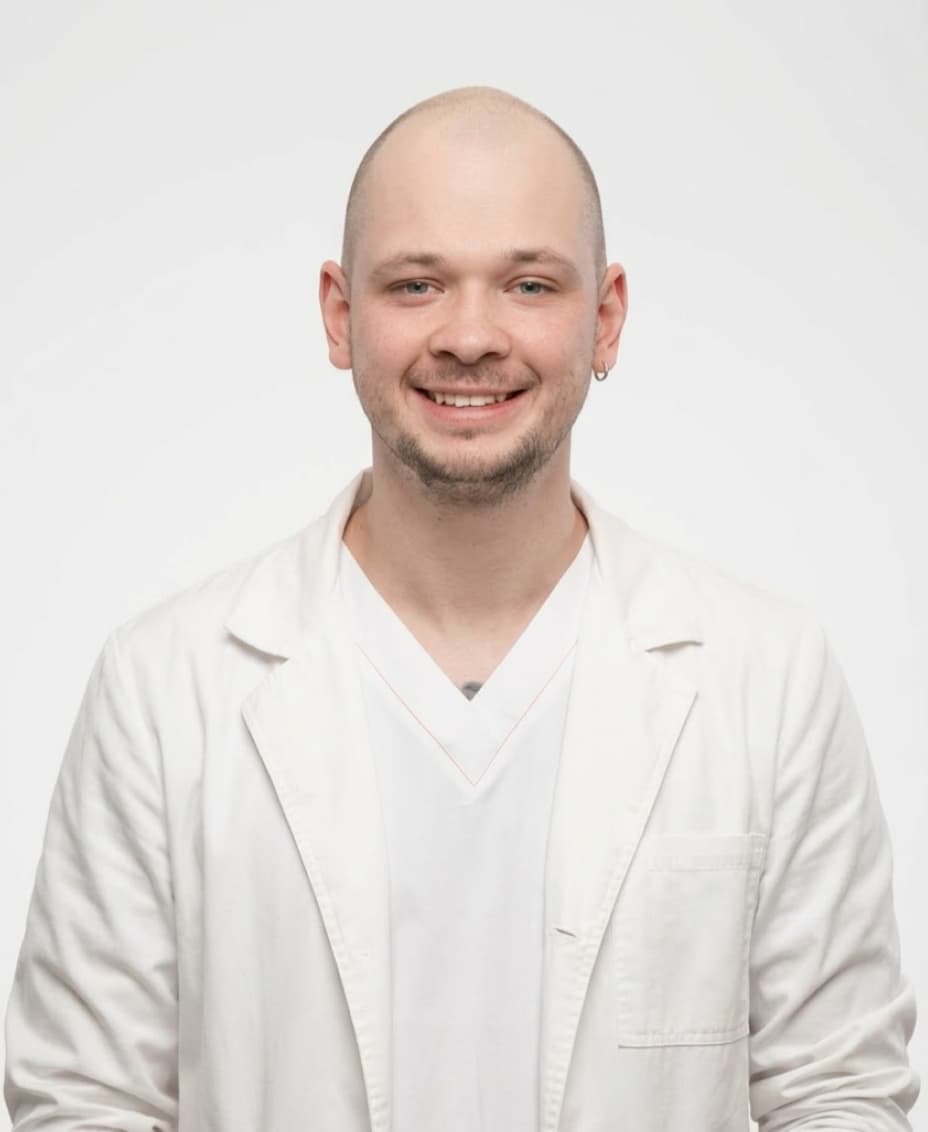
A team that continues the traditions of Professor A.I. Nerobeev's school. Our specialists not only practice but also teach, developing unique techniques in reconstructive and aesthetic medicine.


Leave your number and we will contact you