 My Account
 +7 (495) 129 37 00
 st. Derbenevskaya, 9
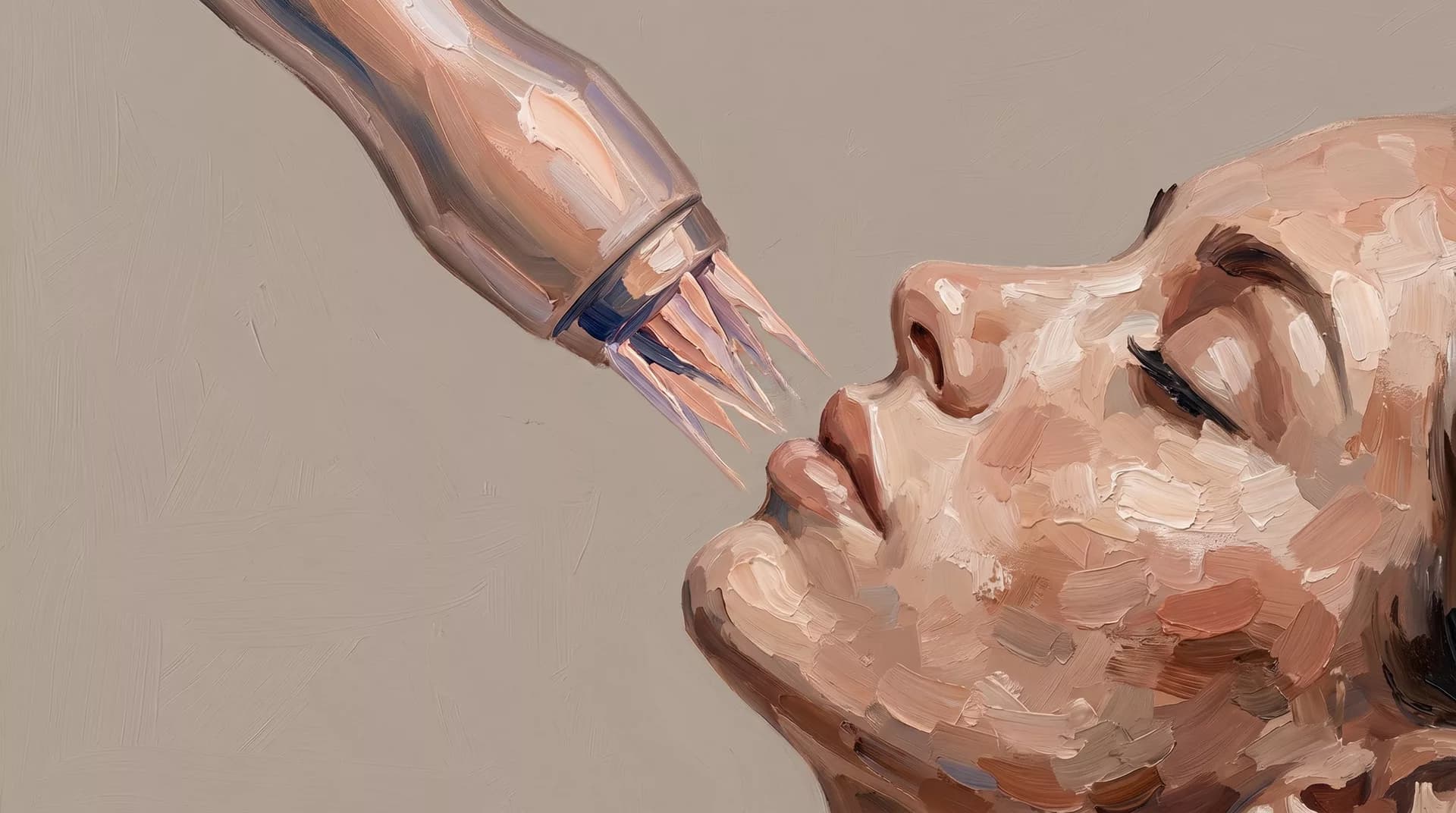
Fraxel - Laser Skin Resurfacing
Fractional non-ablative laser creates microthermal zones up to 1.4 mm deep, stimulating collagen regeneration without epidermis removal.
Available sections:
Fraxel Laser Skin Resurfacing
Fraxel is a fractional laser technology that delivers energy to the skin in thousands of microscopic treatment zones. Instead of treating the entire surface uniformly, the laser creates controlled columns of thermal injury while leaving surrounding areas of intact skin untouched.
This pattern of treatment stimulates an intensive regenerative response. The dermis produces new collagen and elastin, damaged epidermal cells are replaced, and skin texture and pigmentation become more even. Fractional photothermolysis, the technology underlying Fraxel, has been extensively studied and remains one of the established standards of laser skin rejuvenation in modern dermatology.
At the Art Clinic in Moscow, Fraxel treatments are performed by board-certified cosmetic physicians with specialized training. Treatment parameters are selected individually according to skin type, the depth and nature of skin changes, and the desired outcome.
Indications
Fraxel treatment may be recommended for:
- Fine lines and moderate wrinkles, including periorbital wrinkles (“crow’s feet”) and perioral lines
- Hyperpigmentation, uneven skin tone, melasma, and solar lentigines
- Post-acne scars and other atrophic scars
- Enlarged pores and irregular skin texture
- Photodamaged skin with loss of firmness, dullness, and decreased elasticity
- Stretch marks (striae)
- Surgical and traumatic scars, including normotrophic and atrophic scars
How the Procedure Is Performed
Before treatment, the skin is thoroughly cleansed and a topical anesthetic cream is applied for approximately 40–60 minutes to improve patient comfort.
Protective eye shields are used throughout the procedure.
The physician moves the laser handpiece across the treatment area. Patients usually experience sensations of warmth and mild tingling.
Treatment settings are adjusted according to the clinical indication. Superficial parameters are typically used to improve pigmentation and overall texture, whereas deeper settings are chosen for scar revision and treatment of more pronounced wrinkles.
The procedure usually takes between 20 and 45 minutes, depending on the size of the treated area.
Immediately afterward, the skin appears red and swollen, resembling a sunburn, and may feel warm to the touch. A soothing topical preparation is applied, and patients receive detailed post-treatment instructions.
Results and Recovery
What Happens After the Procedure?
During the first one to three days, redness, swelling, and skin tightness are common.
Peeling generally begins several days later as damaged superficial skin cells containing excess pigment and altered structures are shed. This process usually lasts three to seven days.
Throughout the recovery period, it is essential to use physician-recommended skincare products and strict sun protection.
When Will Results Become Visible?
Improvement in skin tone and texture can often be noticed within one to two weeks.
Deeper remodeling effects, including increased dermal density, skin tightening, and further improvement in texture, develop gradually over three to six months as new collagen is synthesized.
How Many Sessions Are Needed?
For pigmentation concerns and overall skin rejuvenation, one to three treatments spaced four to eight weeks apart are often sufficient.
Correction of deep scars or more advanced wrinkles may require three to five sessions.
The treatment plan is determined individually by the physician.
How Long Do Results Last?
Results commonly persist for one to two years or longer, depending on the patient’s natural aging process, lifestyle habits, and adherence to sun protection recommendations.
Maintenance treatments may help prolong and enhance the outcome.
Contraindications
Fraxel treatment is generally not recommended in the presence of:
- Active skin infections or inflammatory conditions within the treatment area
- Recent sun exposure or artificial tanning
- Pregnancy and breastfeeding
- Active malignancy
- Use of photosensitizing medications, including systemic retinoids and certain antibiotics
- A tendency toward keloid scar formation
- Bleeding disorders
- Uncontrolled chronic medical conditions
A complete assessment of contraindications is performed during consultation based on the patient’s medical history.
Frequently Asked Questions
Is Fraxel Painful?
The use of topical anesthetic cream significantly reduces discomfort.
Most patients describe the sensation as moderate warmth, burning, or tingling. Mild heat similar to a sunburn may persist for several hours after treatment and usually subsides by the end of the day.
Can Fraxel Be Performed During the Summer?
Yes, provided that strict ultraviolet protection measures are followed.
Patients should avoid direct sun exposure during recovery and apply broad-spectrum sunscreen with SPF 50+ daily. In some cases, scheduling treatment during autumn or winter may be preferable.
Can Fraxel Be Used on Darker Skin Types?
Treatment of darker skin phototypes (Fitzpatrick IV–VI) requires additional caution because of the increased risk of post-inflammatory hyperpigmentation.
The physician will evaluate the skin individually and may modify treatment parameters or recommend an alternative procedure if appropriate.
How Long Does Recovery Take?
The primary recovery period lasts approximately five to ten days.
Swelling and redness are usually most noticeable during the first two to three days, followed by peeling.
By seven to ten days after treatment, the skin generally appears close to normal. Recovery time varies depending on treatment intensity and individual healing characteristics.
How Many Fraxel Sessions Are Needed for Acne Scars?
Meaningful improvement of atrophic acne scars usually requires three to five treatments performed at intervals of four to eight weeks.
The degree of improvement depends on scar depth, scar distribution, skin type, and adherence to post-treatment recommendations.
Book a Consultation
Book a consultation to determine whether Fraxel treatment is appropriate for your skin concerns. Your physician will evaluate your skin condition and develop an individualized treatment plan.
OUR SPECIALISTS
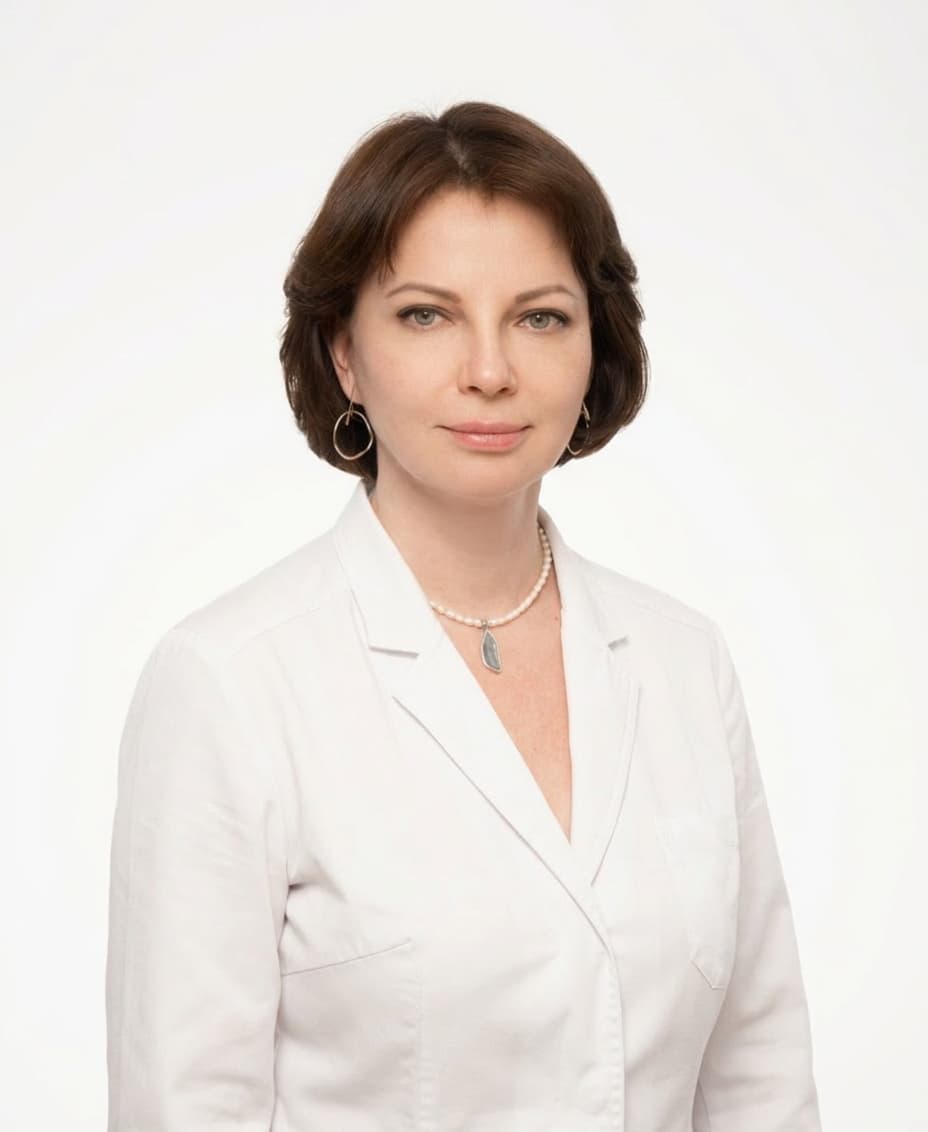
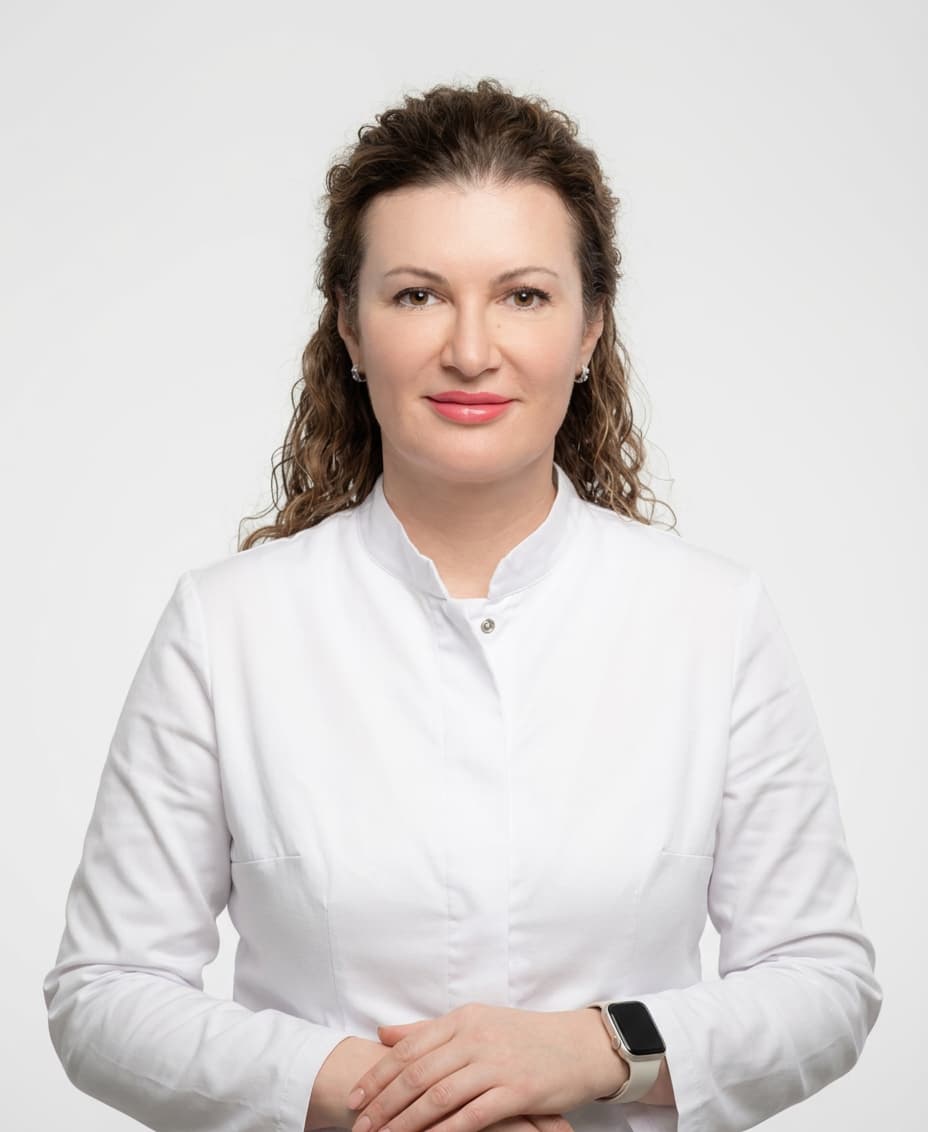
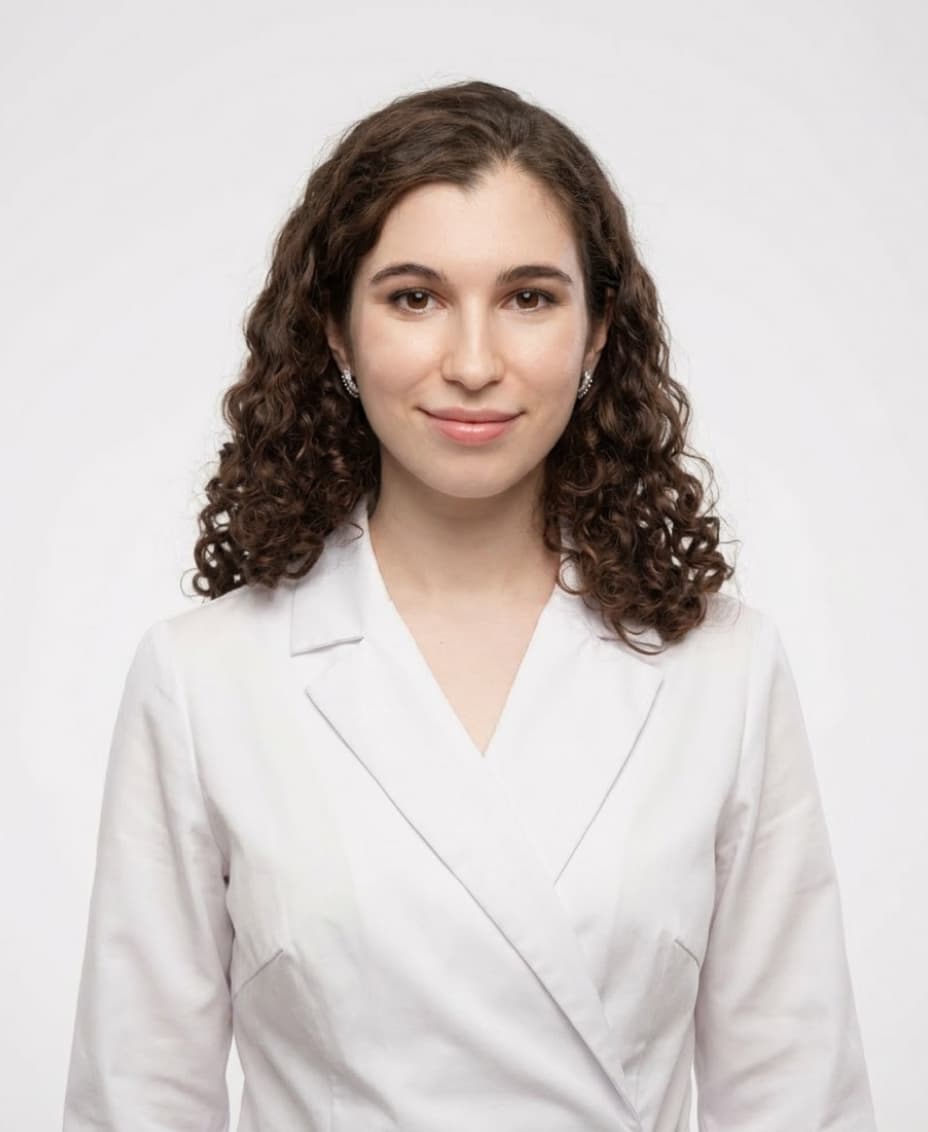
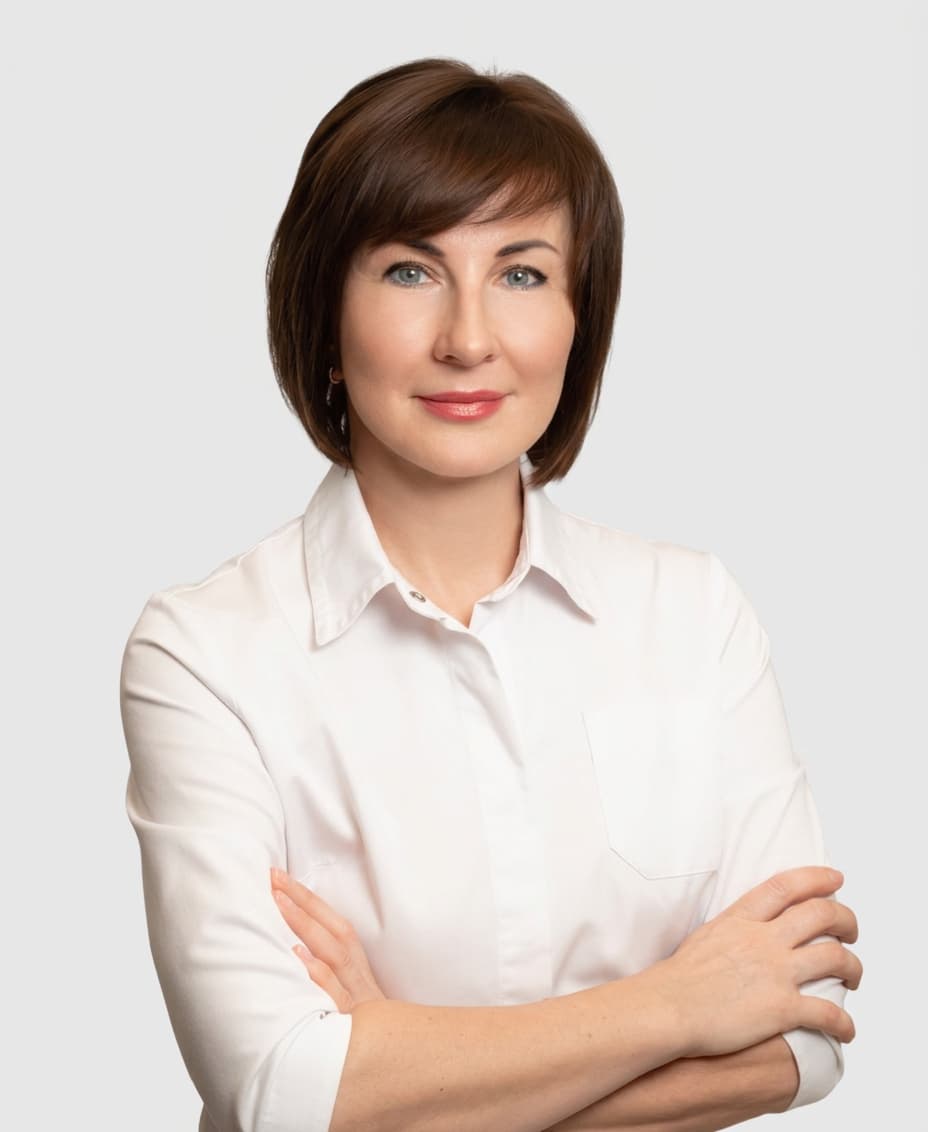
A team that continues the traditions of Professor A.I. Nerobeev's school. Our specialists not only practice but also teach, developing unique techniques in reconstructive and aesthetic medicine.




Leave your number and we will contact you