 My Account
 +7 (495) 129 37 00
 st. Derbenevskaya, 9
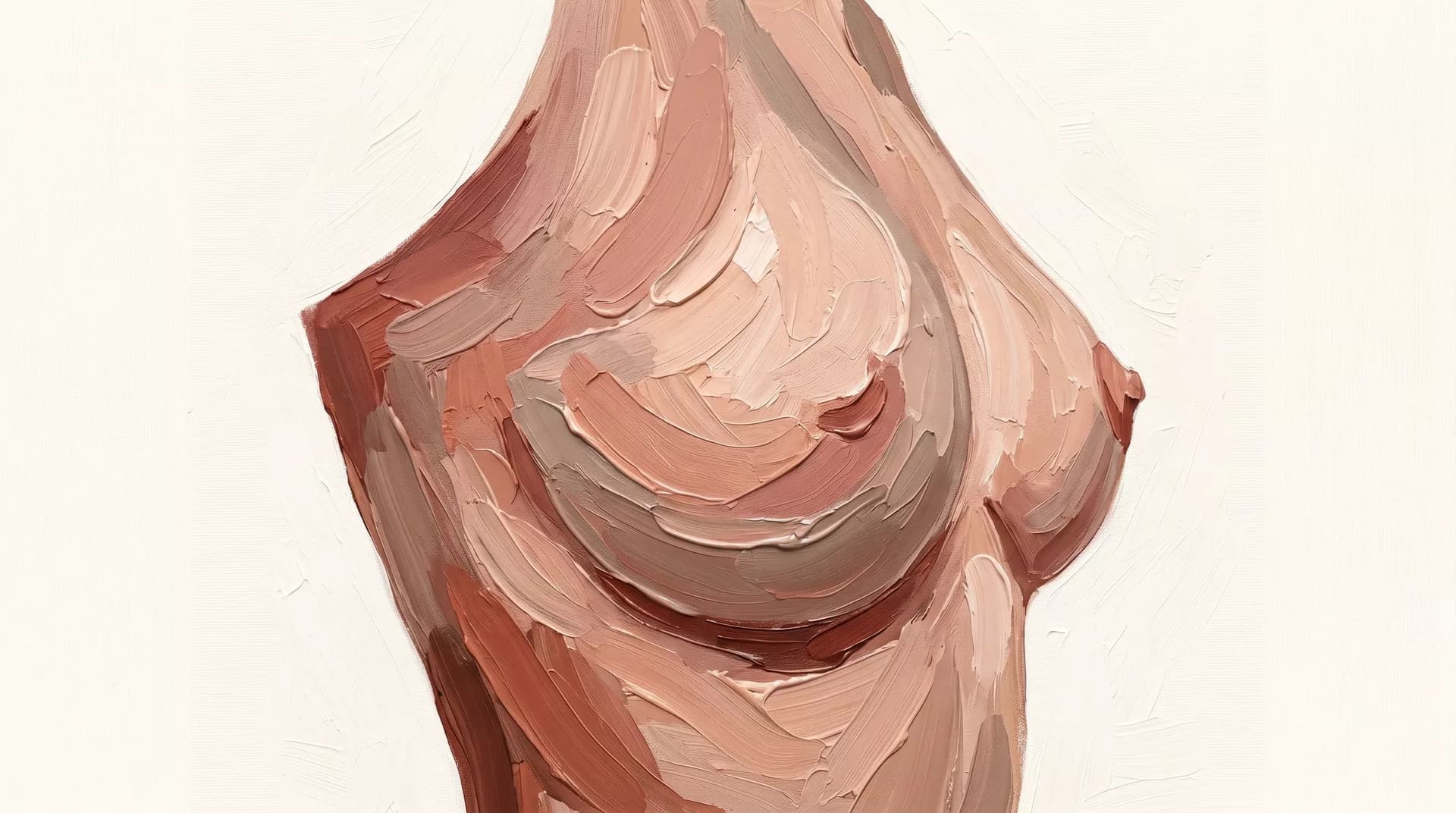
Breast Reconstruction Using Implants
Placement of silicone or polyurethane implants under pectoralis major muscle or subdermally post-mastectomy.
Available sections:
Implant-Based Breast Reconstruction
Immediate implant-based reconstruction is the most commonly performed method of breast restoration following mastectomy. During a skin-sparing mastectomy, in which most of the breast skin is preserved, or a nipple-sparing mastectomy, in which the nipple–areola complex is also retained, the remaining skin envelope provides coverage for the implant.
This approach is considered the least invasive form of immediate breast reconstruction and is associated with the shortest operative time and recovery period.
Single-Stage Reconstruction
In selected patients, a permanent breast implant can be placed immediately during the mastectomy procedure.
This approach is suitable when the preserved skin envelope is of sufficient quality and volume to accommodate the final implant safely.
The main advantage of single-stage reconstruction is that it avoids the need for a second operation.
Two-Stage Reconstruction
When the available skin is insufficient or postoperative radiotherapy is anticipated, a staged approach may be recommended.
During the first stage, a tissue expander is placed beneath the pectoralis major muscle or supported with an acellular dermal matrix. Over the following three to six months, the expander is gradually filled with saline during outpatient visits, allowing the skin and soft tissues to stretch progressively.
Once the desired volume has been achieved, a second procedure is performed to remove the expander and replace it with a permanent silicone implant.
Acellular Dermal Matrix (ADM)
In some patients, the lower portion of the implant lacks adequate muscular coverage.
An acellular dermal matrix (ADM) is a biologic scaffold derived from processed human or animal tissue that provides additional support to the lower pole of the implant.
Over time, ADM becomes integrated into the patient’s own tissues, helping to create a more natural breast contour and improving implant stability.
Recovery
Hospitalization generally lasts three to five days.
Heavy lifting and strenuous activity involving the chest and shoulder girdle should be avoided for approximately four to six weeks.
Most patients are able to return to work within three to four weeks, depending on the nature of their occupation.
Frequently Asked Questions
Will the Reconstructed Breast Be Symmetrical?
Achieving symmetry is one of the primary goals of breast reconstruction.
In some cases, a secondary procedure on the opposite breast may be recommended several months later to improve balance and achieve optimal symmetry.
Will Sensation Be Preserved?
Following mastectomy, breast sensation is usually significantly reduced or completely absent because sensory nerves are removed together with the breast tissue.
Partial recovery of sensation may occur gradually over one to two years as peripheral nerves regenerate, although complete restoration of normal sensation is uncommon.
Will I Be Able to Breastfeed After Reconstruction?
No.
After mastectomy, the breast glandular tissue responsible for milk production has been removed, making breastfeeding impossible.
Patients who undergo breast-conserving surgery rather than mastectomy may retain the ability to breastfeed, depending on the amount and location of tissue removed.
Book a Consultation
Book a consultation to discuss your treatment options. The surgeon and breast oncologist will evaluate your individual situation and help determine the most appropriate reconstructive approach.
OUR SPECIALISTS
A team that continues the traditions of Professor A.I. Nerobeev's school. Our specialists not only practice but also teach, developing unique techniques in reconstructive and aesthetic medicine.

Leave your number and we will contact you