 My Account
 +7 (495) 129 37 00
 st. Derbenevskaya, 9
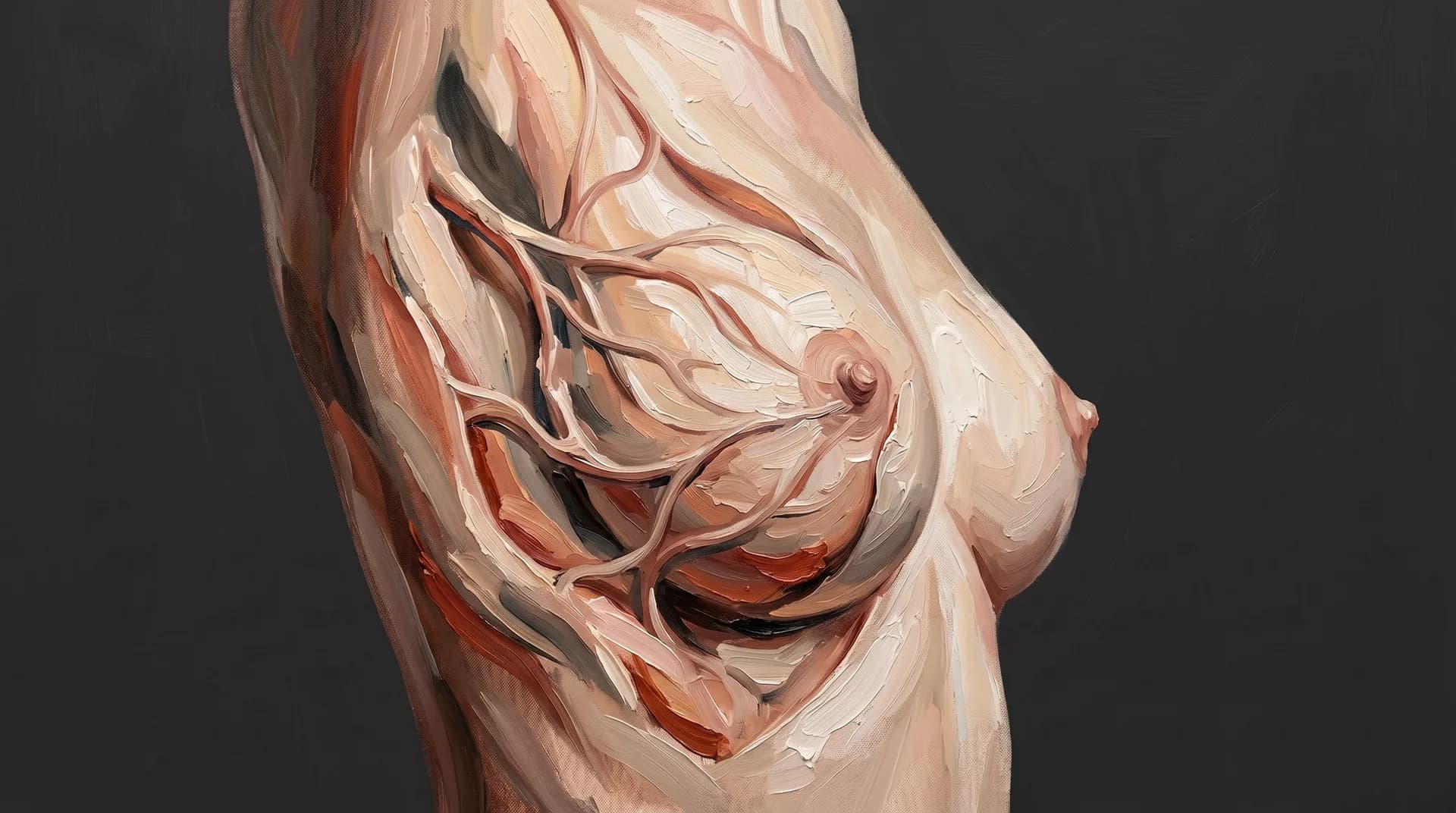
Correction of Breast Defects Using Regional Perforator Flaps (LICAP, AICAP, TDAP)
Breast volume restoration with local perforator flaps.
Available sections:
Reconstruction of Breast Defects Using Regional Perforator Flaps
Regional perforator flaps are small skin and fat flaps harvested from tissues adjacent to the breast, including the lateral chest wall, axillary region, and scapular area. Unlike free flaps, they remain attached to their native blood supply and are transferred without microsurgical vessel anastomosis.
These flaps are used to restore small and moderate-volume defects following breast-conserving surgery or previous reconstructive procedures. Compared with DIEP or latissimus dorsi flap reconstruction, regional perforator flaps are considerably less invasive and are associated with faster recovery.
Types of Regional Perforator Flaps
LICAP Flap (Lateral Intercostal Artery Perforator Flap)
The LICAP flap is based on perforating branches of the lateral intercostal arteries arising from the lateral chest wall.
It is the most commonly used regional perforator flap for breast reconstruction and is particularly suitable for defects located in the outer quadrants of the breast.
The donor-site scar is hidden beneath the arm and is generally well concealed by clothing and underwear.
AICAP Flap (Anterior Intercostal Artery Perforator Flap)
The AICAP flap is supplied by perforators originating from the anterior intercostal arteries.
It is mainly used to reconstruct defects involving the inner quadrants of the breast, where tissue from the lateral chest wall may not provide sufficient reach or volume.
TDAP Flap (Thoracodorsal Artery Perforator Flap)
The TDAP flap is harvested from the scapular and posterior axillary region and is supplied by perforators from the thoracodorsal artery.
Unlike the traditional latissimus dorsi flap, the latissimus dorsi muscle itself is preserved, reducing donor-site morbidity while providing well-vascularized soft tissue.
Indications
Regional perforator flaps may be considered in the following situations:
- Partial breast defects after breast-conserving surgery
- Correction of contour deformities and volume deficiencies following lumpectomy
- Reconstruction of small defects during delayed breast reconstruction
- Refinement of breast shape and contour after primary reconstruction
- Treatment of localized volume loss in irradiated tissues
Recovery
Hospitalization typically lasts three to five days.
Strenuous activities involving the shoulder girdle should be avoided for approximately three to four weeks.
Most patients return to normal daily activities within two to three weeks.
Frequently Asked Questions
Can This Technique Be Used After Breast-Conserving Surgery Followed by Radiotherapy?
Yes.
Regional perforator flaps transfer healthy, non-irradiated tissue into an irradiated field, making them particularly useful for correcting contour defects and improving tissue quality after radiotherapy.
Will the Scar Be Visible?
Donor-site scars are usually located in the lateral chest wall, posterior axillary fold, or scapular region and are generally concealed by clothing, underwear, or swimwear.
Can Regional Perforator Flaps Be Combined With Other Reconstructive Techniques?
Yes.
They are frequently used as an adjunct to other reconstructive procedures, including implant-based reconstruction, DIEP flap reconstruction, or fat grafting, to improve contour, symmetry, and volume distribution.
Book a Consultation
Book a consultation to determine whether reconstruction with a regional perforator flap is appropriate for your individual situation. The surgeon will assess the defect, evaluate surrounding tissues, and discuss the most suitable reconstructive options.
OUR SPECIALISTS
A team that continues the traditions of Professor A.I. Nerobeev's school. Our specialists not only practice but also teach, developing unique techniques in reconstructive and aesthetic medicine.

Leave your number and we will contact you