 My Account
 +7 (495) 129 37 00
 st. Derbenevskaya, 9
Surgical Thread Lifting
Minimally invasive implantation of special surgical threads under the skin lifts the face oval, eliminates ptosis, jowls and deep wrinkles, stimulating collagen for long-term effect.
Available sections:
Surgical thread lifting is a technique for lifting the soft tissues of the face and body using special threads implanted subcutaneously or subfascially through small punctures. Threads with barbs, cones, or fixation elements anchor in the tissues and mechanically lift them into a higher position. At Iskusstvo Clinic in Moscow, surgical thread lifting is performed by surgeons trained in the school of Professor Nerobeev.
Thread lifting occupies an intermediate position between surgical lifting and non-surgical rejuvenation methods. It is less invasive than a facelift, but provides a more noticeable and longer-lasting result than injectable procedures. It is optimal for patients with early and moderate signs of ptosis who are not ready for a full surgical lift.
Indications
Early and moderate ptosis of the facial soft tissues, including sagging of the midface, formation of jowls, and deepening of the nasolabial folds
Early loss of definition of the facial oval
Drooping of the eyebrows and outer corners of the eyes, in mild cases
Ptosis of the soft tissues of the body, including the neck, inner arms, abdomen, thighs, and buttocks
The patient’s desire to achieve a lifting effect without incisions and prolonged rehabilitation
Prevention of further ptosis in younger patients, usually aged 30–45
Types of Threads
Barbed Threads
Barbed threads, including bidirectional threads, Aptos, and Silhouette Soft, are the main type used for lifting. Barbs, hooks, or cones anchor in the tissues and provide mechanical lifting.
The result includes immediate lifting and a subsequent biostimulating effect, with formation of a collagen framework around the thread.
Smooth Threads
Smooth threads, including mesothreads and monofilaments, do not lift the tissues. Instead, they reinforce the tissues and stimulate collagen formation. The effect is less pronounced, but these threads are used to improve skin texture and turgor.
Thread Materials
PDO, or polydioxanone, dissolves within 6–8 months.
PLLA, or poly-L-lactic acid, dissolves within 12–18 months and stimulates more active neocollagenesis.
PCL, or polycaprolactone, dissolves within 24–36 months.
Non-absorbable threads, such as polypropylene, provide the longest-lasting result, usually 3–5 years, but remain in the tissues.
How the Procedure Is Performed
The procedure is performed on an outpatient basis under local anesthesia. The surgeon marks the lifting areas and the entry and exit points for the threads.
The threads are inserted through punctures using guide needles into the subcutaneous tissue or subfascial layer, passed in the planned direction, and fixed. The tension is adjusted until the optimal lifting effect is achieved.
The duration is 30–60 minutes for the face and up to 1.5 hours for the body. The number of threads is usually 4–12 per area.
Result and Rehabilitation
The lifting effect is visible immediately. Swelling and bruising usually resolve within 5–10 days.
Restrictions include limited facial expression activity for 2 weeks, avoiding wide mouth opening for 3 weeks, avoiding facial massage for 4 weeks, and limiting physical activity for 2 weeks. Sleeping on the back is recommended during the first 2 weeks.
The result forms in two stages: immediate mechanical lifting and gradual formation of a collagen framework over 2–3 months.
The duration of the effect depends on the thread material: PDO threads last 1–1.5 years, PLLA threads last 2–3 years, and PCL or non-absorbable threads last 3–5 years. Recovery timelines are individual.
Contraindications
Significant excess skin and pronounced ptosis, in which case surgical facelift is indicated
Active inflammatory skin processes in the treatment area
Blood clotting disorders
Autoimmune connective tissue diseases
Acute infectious diseases
Pregnancy and breastfeeding
The final decision is made by the doctor.
Frequently Asked Questions
Can Thread Lifting Replace a Facelift?
No. Thread lifting is effective for early and moderate ptosis. In cases of pronounced age-related changes and significant excess skin, surgical facelift is indicated.
Are the Threads Visible Under the Skin?
No. The threads are placed in the subcutaneous tissue or under the fascia and are not visible. In rare cases, contouring may occur in very thin patients with thin skin.
Can Thread Lifting Be Combined with Fillers and Botox?
Yes. Thread lifting combines well with injectable procedures. Threads provide structural lifting, fillers restore volume, and botulinum toxin relaxes facial muscles. The interval between procedures is usually 2–4 weeks.
What Happens to the Threads After They Dissolve?
Absorbable threads are replaced by the patient’s own connective tissue, forming a collagen framework. The effect decreases gradually, not abruptly, with a smooth return to the natural aging process.
Is Thread Placement Painful?
The procedure is performed under local anesthesia, so there is no pain during placement. A feeling of tension after the procedure is normal and usually resolves within 3–5 days.
Book a consultation. The surgeon will assess the degree of ptosis and determine whether thread lifting is suitable for your goal.
OUR SPECIALISTS
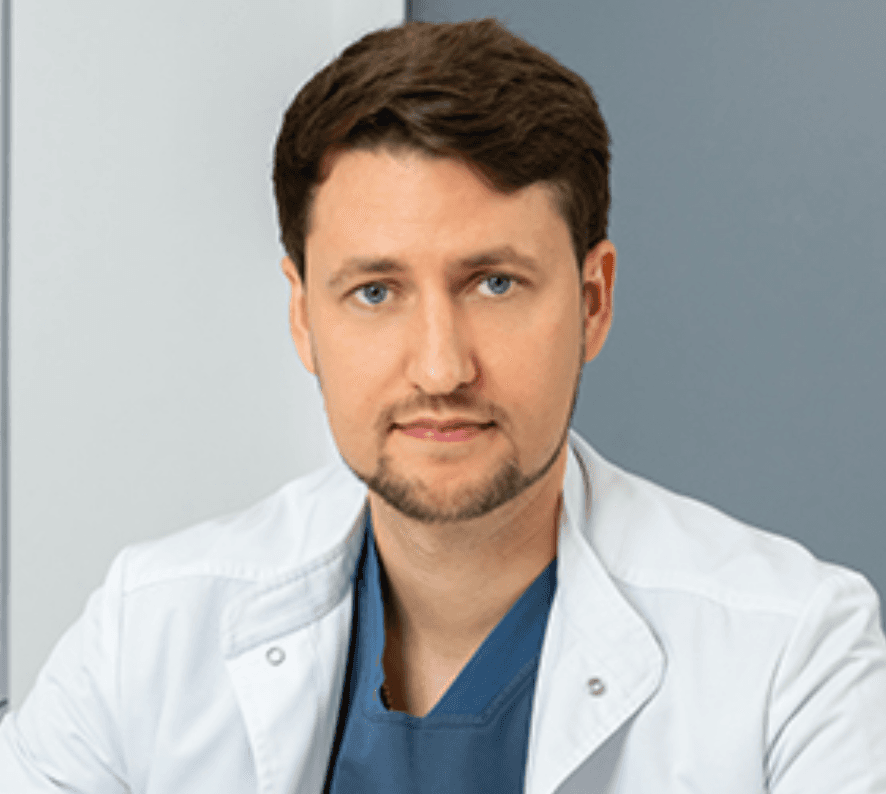
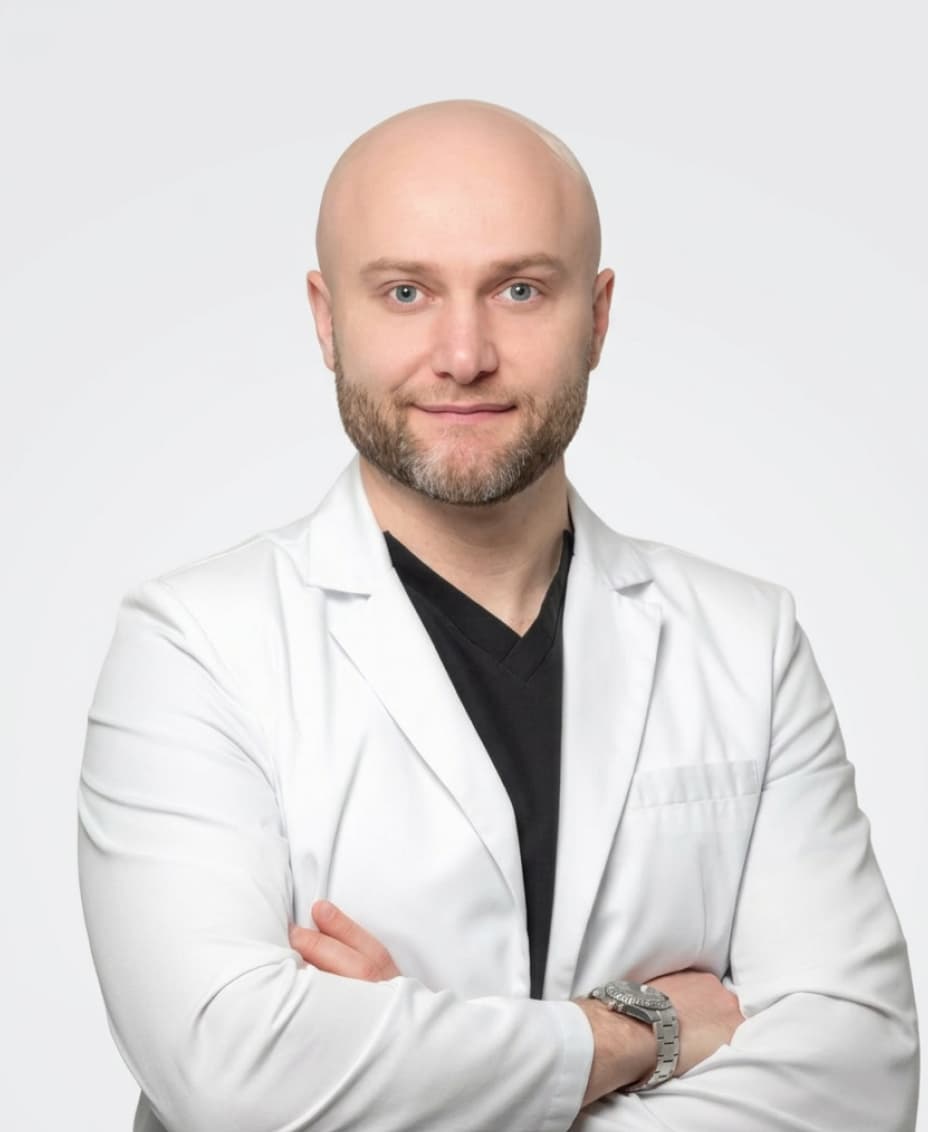
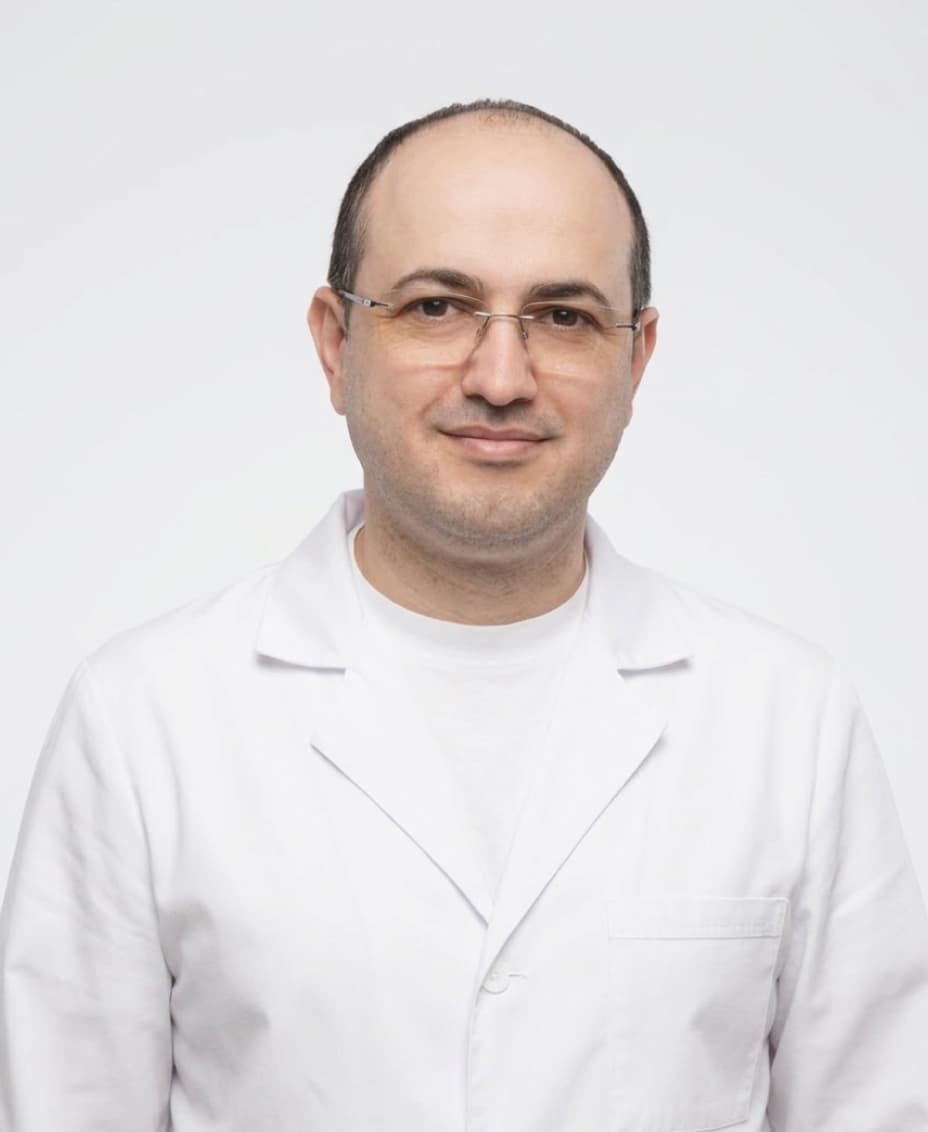
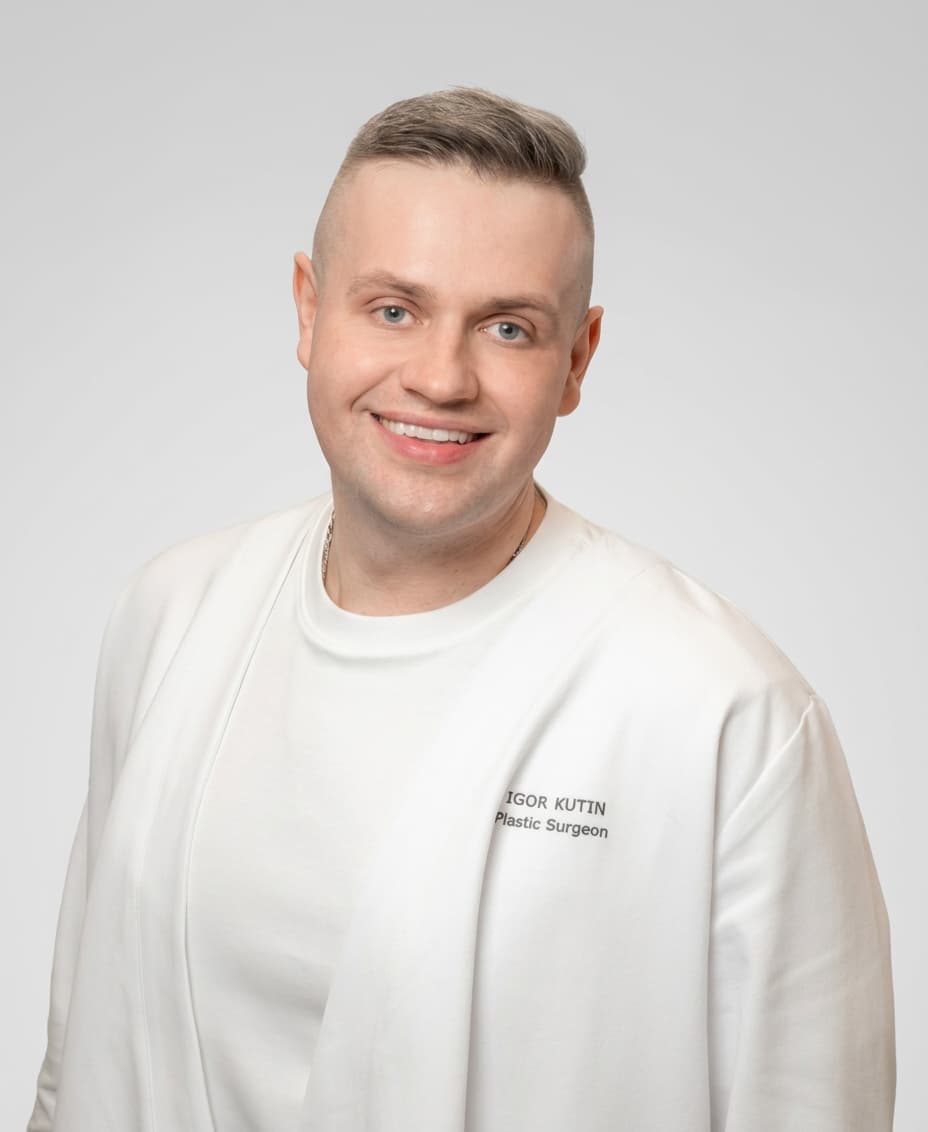
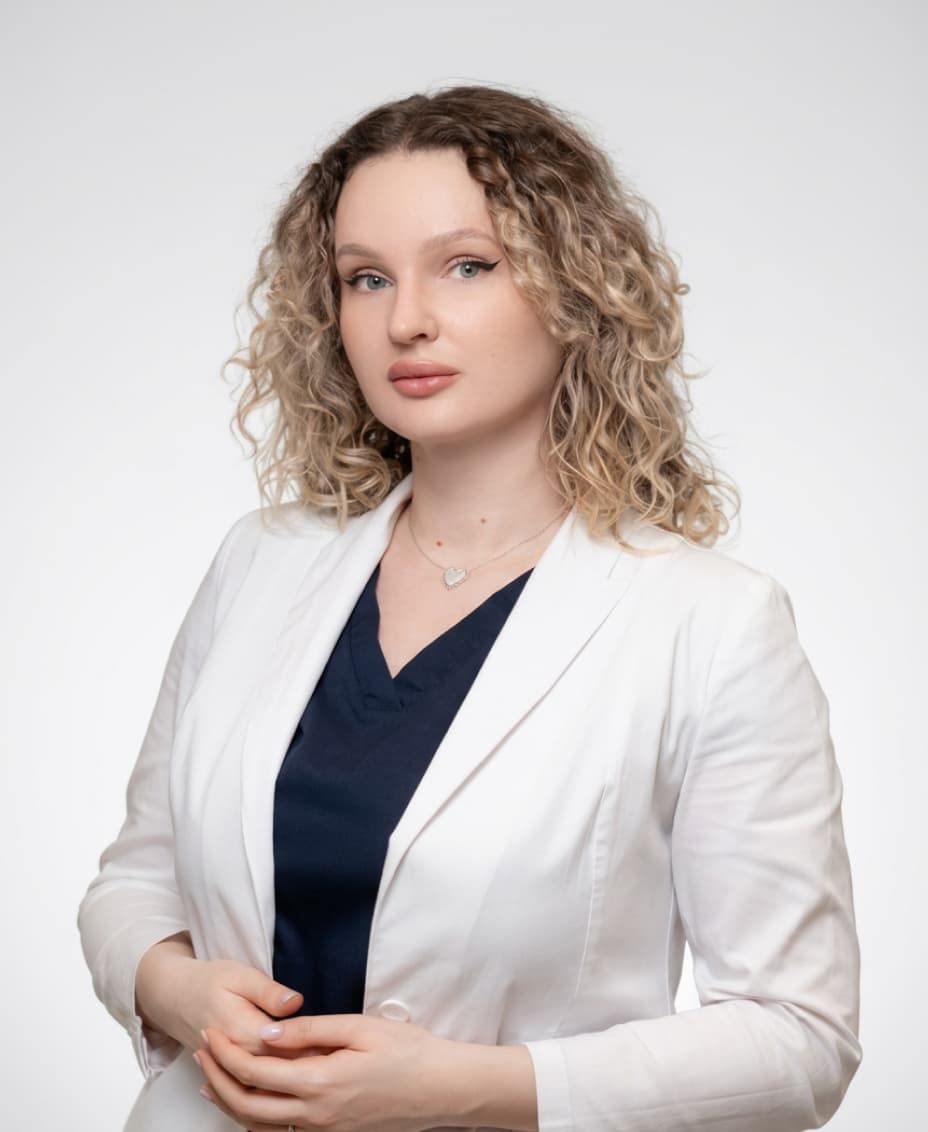
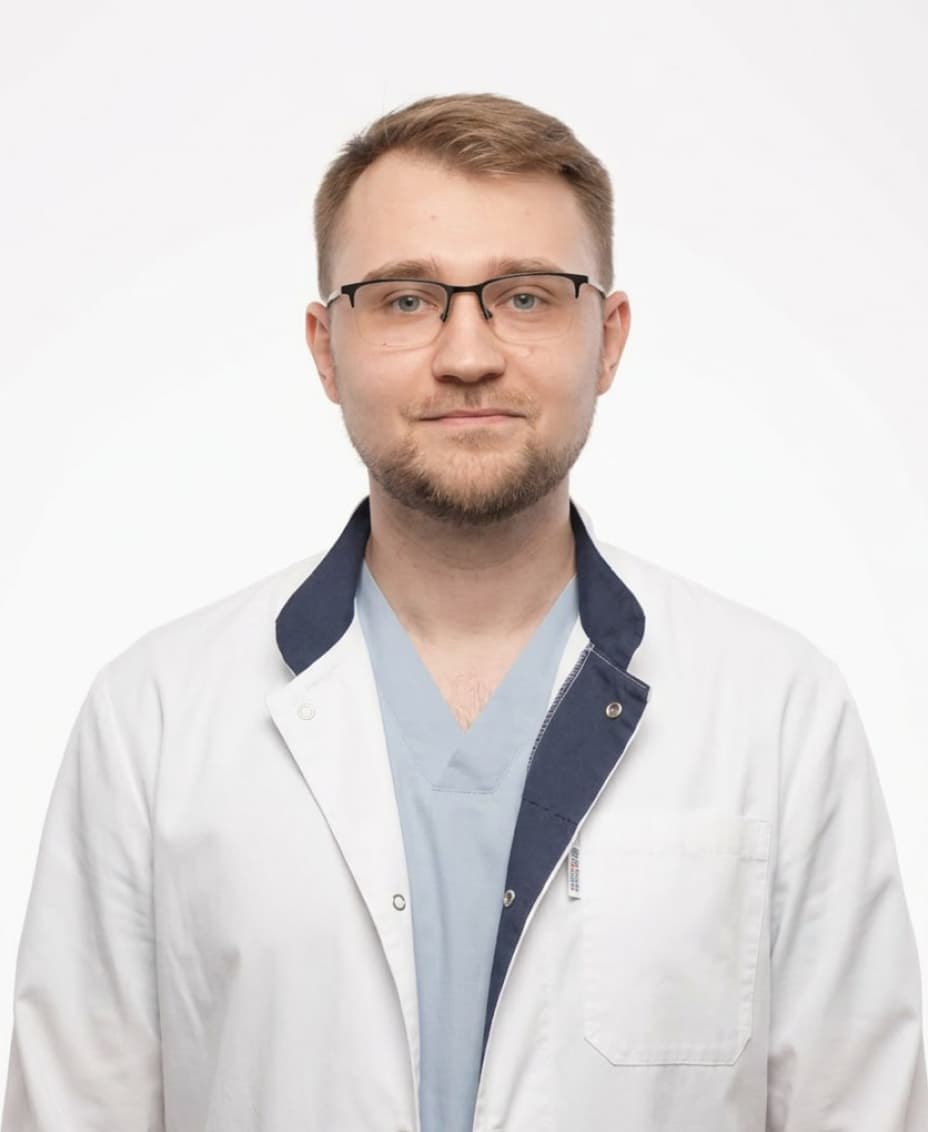
A team that continues the traditions of Professor A.I. Nerobeev's school. Our specialists not only practice but also teach, developing unique techniques in reconstructive and aesthetic medicine.




Leave your number and we will contact you