 My Account
 +7 (495) 129 37 00
 st. Derbenevskaya, 9
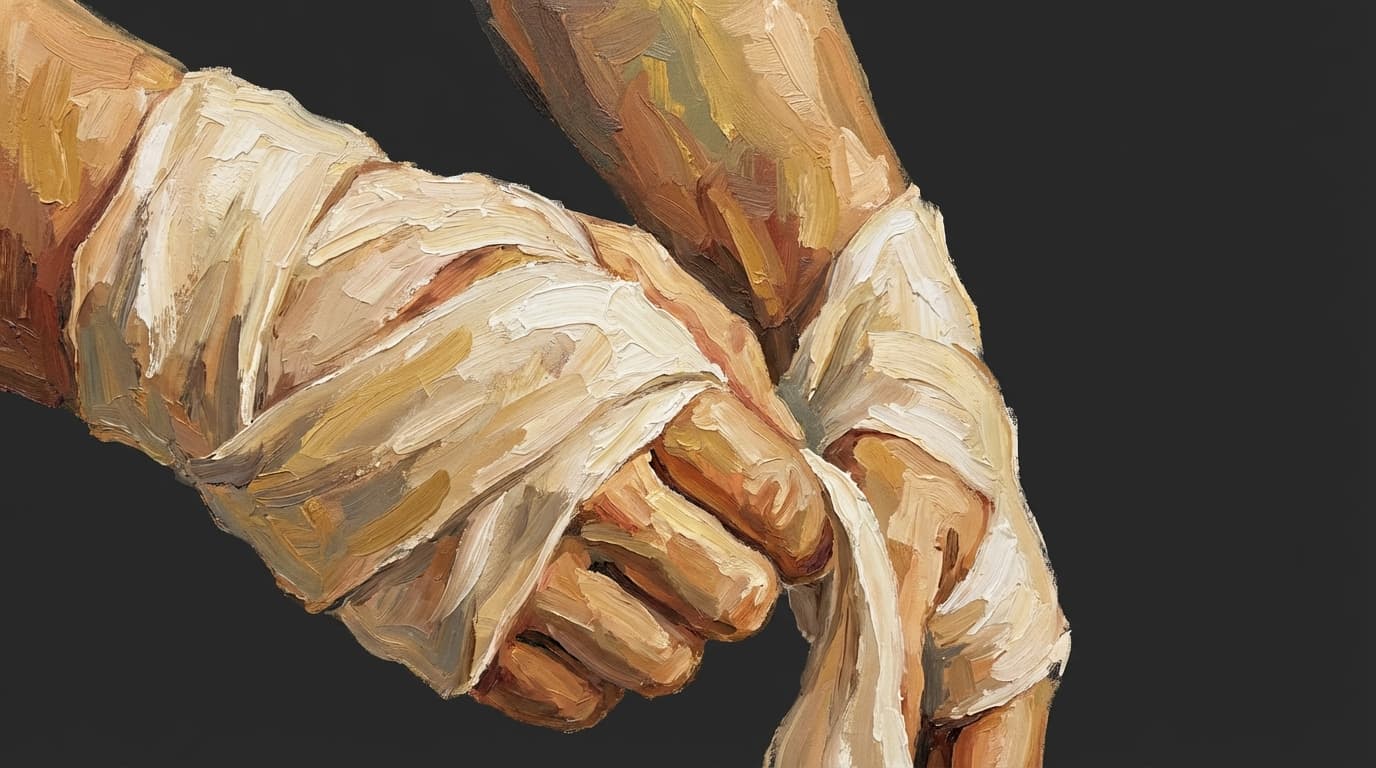
Post-Surgical Rehabilitation
Complex physiotherapy, massage, laser and plasma accelerate suture healing, reduce swelling and bruising, restoring skin without complications after surgery.
Available sections:
Rehabilitation is no less important than the operation itself. Proper recovery ensures an optimal result, minimizes complications, and accelerates the return to active life. At Iskusstvo Clinic, each patient receives individual rehabilitation recommendations, while the surgeon monitors the healing process during scheduled follow-up visits.
Stages of Rehabilitation
Early Postoperative Period, Days 1–7
The patient stays in a comfortable room at the clinic. The surgeon and medical staff provide observation. Pain control, dressings, and, if necessary, drainage are performed.
Early mobilization, including walking, is recommended to prevent thromboembolism.
First 2–4 Weeks
Sutures are removed on days 5–14. Compression garments are worn, and physical activity is restricted. Most swelling and bruising resolve during this period.
Scheduled follow-up visits with the surgeon are performed. Lymphatic drainage massage may begin after liposuction or abdominoplasty.
1–3 Months
The patient gradually returns to full activity. Silicone patches may be started to optimize scar healing. In procedures involving implants, tissue adaptation occurs and the final implant position begins to form.
3–12 Months
Scars mature, and the final result forms. Follow-up examinations are performed at 6 and 12 months. After rhinoplasty, the final shape of the nasal tip may continue forming for up to 12–18 months.
What the Patient Needs to Know
Compression garments are worn for 4–8 weeks, depending on the operation. They help tissues adhere properly, reduce swelling, and prevent seroma.
Physical activity: walking is allowed from the first day, light activity after 2–3 weeks, full workouts after 4–8 weeks, and contact sports after 2–3 months.
Scar care: silicone patches or gel are used from the moment sutures are removed, for at least 3–6 months. SPF 50+ sunscreen should be applied to scars for 6–12 months. Tanning beds and direct sun exposure should be avoided.
Important: swelling, mild asymmetry, and temporary decrease in sensitivity are normal. Do not assess the result during the first 2–4 weeks. If alarming symptoms appear, such as severe pain, sudden swelling, fever, or discharge from the wound, contact the surgeon immediately.
The Iskusstvo Clinic Approach
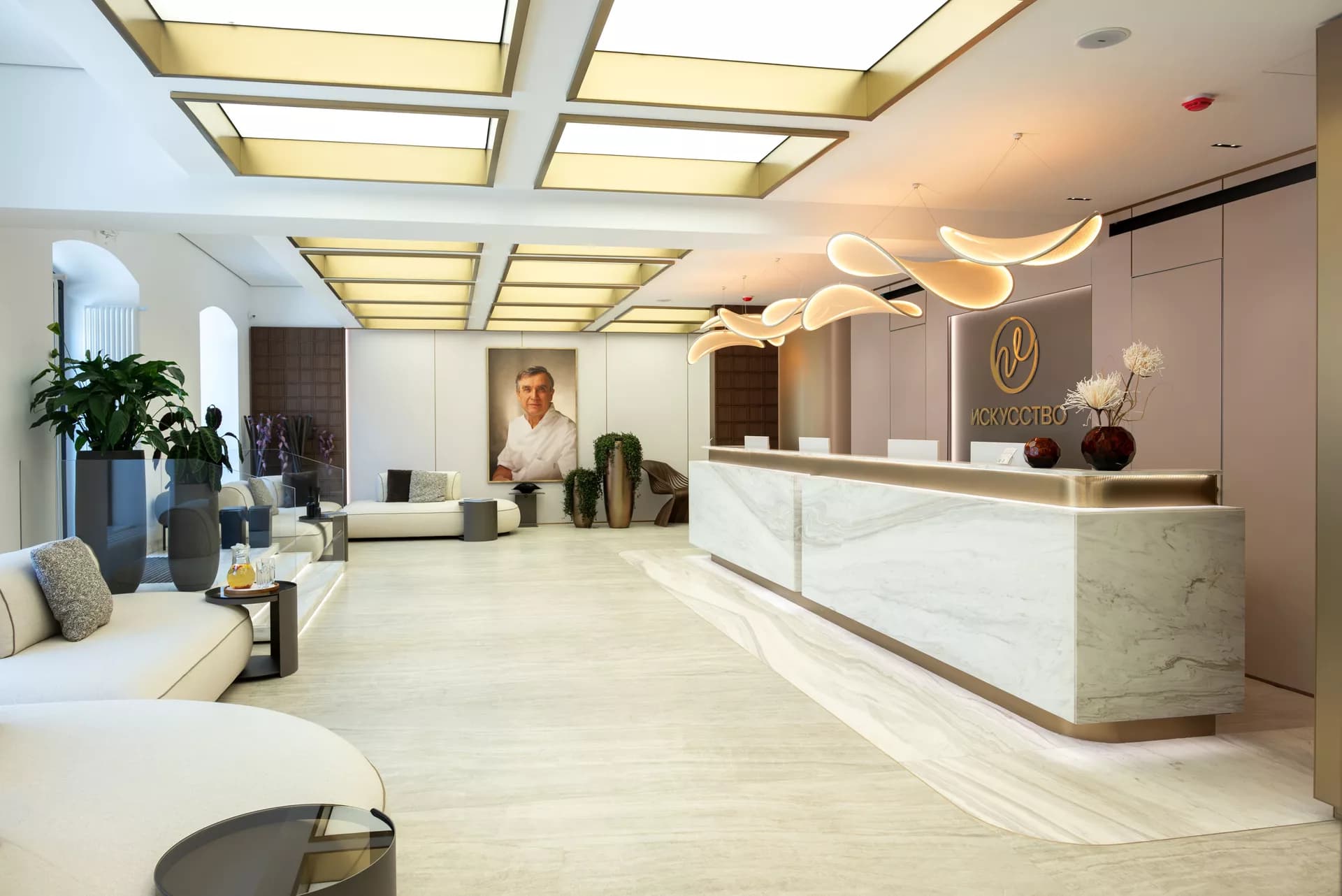
The clinic provides comfortable rooms with individual care. The surgeon is available by phone around the clock. Scheduled follow-up visits at 7, 14, and 30 days, as well as at 3 and 6 months, are included in the cost.
Patients receive recommendations on massage and scar care. If necessary, referral for physiotherapy and cosmetology is provided.
Frequently Asked Questions
How Long Do I Need to Stay at the Clinic After Surgery?
Blepharoplasty and otoplasty are performed on an outpatient basis.
Mammoplasty, abdominoplasty, and facelift usually require a 1–2 day stay.
Body lift and DIEP reconstruction usually require a 3–5 day stay.
When Can I Return to Work?
Office work: after 5–14 days.
Physical work: after 4–8 weeks.
The exact timing is determined by the surgeon.
Is Lymphatic Drainage Massage Necessary?
It is recommended after liposuction, abdominoplasty, and body lift. The course usually includes 5–10 sessions starting from days 7–10.
Massage should be performed by a specialist experienced in postoperative rehabilitation.
Each operation has its own rehabilitation profile. After blepharoplasty, the main restrictions are related to eye strain. After abdominoplasty, they are related to abdominal muscle load. After rhinoplasty, they are related to protecting the nose from injury.
The surgeon provides a detailed instruction sheet with recommendations specific to your operation. The clinic coordinator is available for questions at every stage of recovery.
Special attention is paid to the prevention of thromboembolic complications after extensive procedures, including abdominoplasty, body lift, and DIEP reconstruction. The protocol includes antithrombotic stockings, which are put on before surgery, low-molecular-weight heparins prescribed by the anesthesiologist, and mandatory early walking from the first day.
The patient receives detailed thrombosis prevention instructions at discharge.
Book a consultation. The surgeon will explain rehabilitation after the planned operation and answer all questions.
OUR SPECIALISTS
A team that continues the traditions of Professor A.I. Nerobeev's school. Our specialists not only practice but also teach, developing unique techniques in reconstructive and aesthetic medicine.
Leave your number and we will contact you