 My Account
 +7 (495) 129 37 00
 st. Derbenevskaya, 9
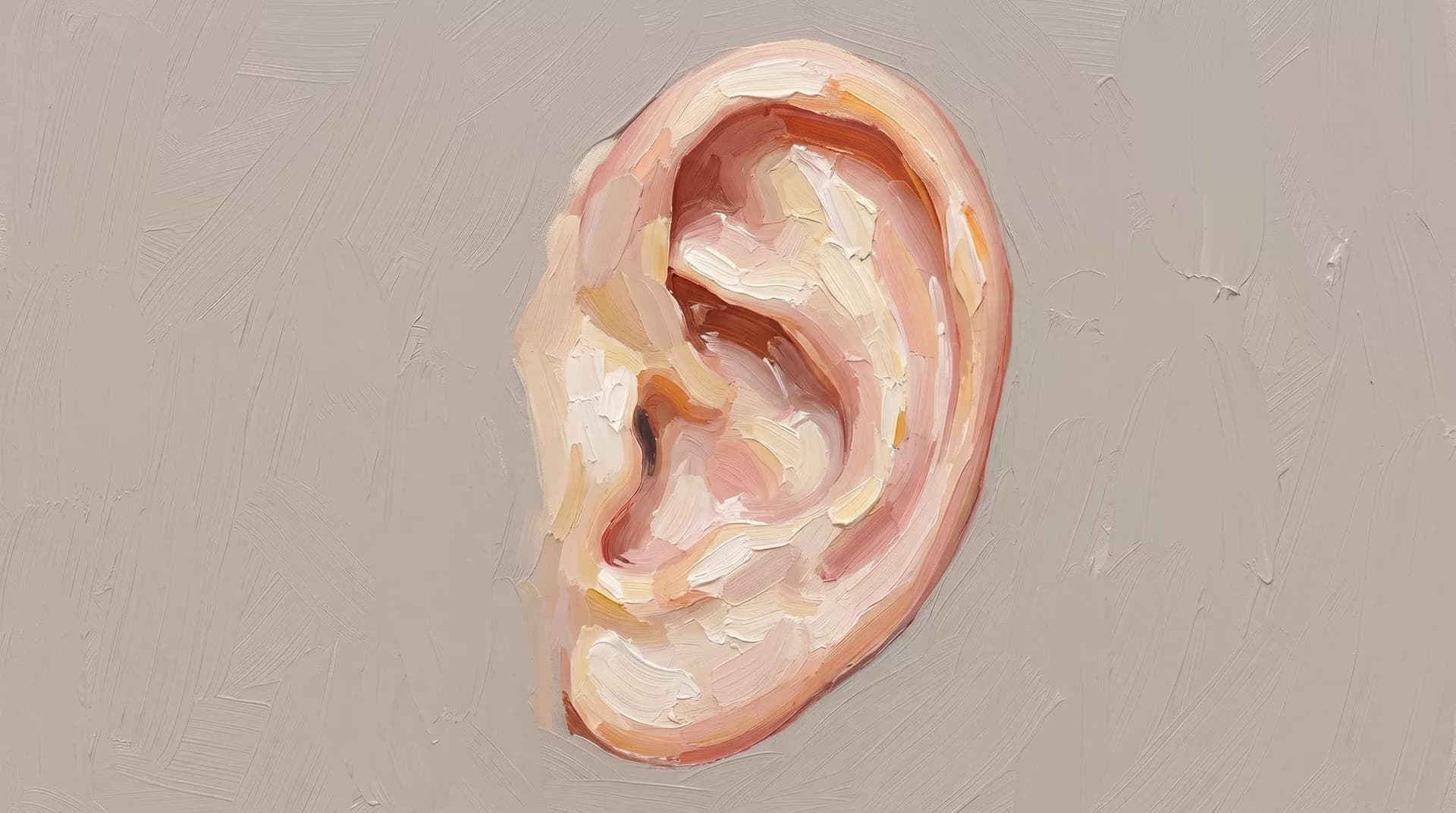
Ear Plastic Surgery
Correction of protruding ears, asymmetry, cartilage deformities by cartilage removal/reshaping and fixation in anatomically correct position.
Available sections:
Otoplasty, or ear surgery, is a surgical procedure aimed at correcting the shape, position, and size of the auricles. The auricles are paired structures located on the sides of the head and significantly influence the overall perception of the face and the proportionality of the profile.
The most common reason for seeking surgery is prominent ears, or protruding auricles. However, the range of otoplasty procedures is much broader: from correcting asymmetry and reducing overly large ears to complex reconstruction in cases of congenital anomalies and post-traumatic defects.
At Iskusstvo Clinic in Moscow, otoplasty is performed by surgeons trained in the school of Professor A.I. Nerobeev, combining aesthetic surgery with expertise in reconstructive and maxillofacial surgery.
Indications
Aesthetic Indications
Prominent ears, or protruding auricles, with an increased angle between the auricle and the head of more than 30 degrees
Flattening or absence of the antihelix, the anatomical fold of the auricle
Hypertrophy, or excessive enlargement, of the conchal bowl
Asymmetry of the auricles in shape, size, or position
Macrotia, or disproportionately large auricles
Earlobe deformities, including stretched earlobes or torn earlobes after wearing tunnels or earrings
The patient’s desire to change the shape of the auricles to improve self-confidence
Reconstructive Indications
Microtia, or congenital underdevelopment or absence of the auricle
Anotia, or complete absence of the auricle
Post-traumatic deformities and defects of the auricle after injuries, bites, or burns
Defects after oncological resections
Congenital anomalies of auricle shape, including constricted ear, satyr ear, and cryptotia
Types of Procedures and Methods
Iskusstvo Clinic performs the full range of auricular procedures, from aesthetic correction of prominent ears to multi-stage reconstruction in cases of microtia.
Aesthetic Otoplasty, or Correction of Prominent Ears
This is the most common ear surgery. It is aimed at correcting prominent ears by forming the proper antihelical fold and, if necessary, reducing the concha. The procedure is performed for both adults and children from the age of 5–6.
Reconstructive Otoplasty
Reconstructive otoplasty restores the auricle in cases of congenital anomalies, such as microtia or anotia, post-traumatic defects, burn injuries, and consequences of oncological surgery. It may involve the use of autologous cartilage frameworks, usually from rib cartilage, skin flaps, and, in some cases, epitheses, or silicone prostheses.
This is one of the most complex areas of reconstructive surgery and requires exceptional surgical skill and a refined sense of form.
How the Procedure Is Performed
Ear surgery at Iskusstvo Clinic is performed in an operating room equipped with microsurgical instruments. Preoperative preparation includes a consultation with the surgeon, a detailed examination, photographic documentation, and, in reconstructive cases, computer-based 3D modeling. For children, a preliminary consultation with an anesthesiologist is required.
Aesthetic otoplasty is performed under local anesthesia in adults and under general anesthesia in children. The procedure lasts from 40 minutes to 1.5 hours. As a rule, the patient leaves the clinic on the same day.
Reconstructive otoplasty, for example in cases of microtia, is performed under general anesthesia. It may take from 2 to 5 hours and may require several stages with intervals of 3–6 months.
In aesthetic otoplasty, the incisions are placed on the back surface of the auricle and are hidden behind the ear after healing. In reconstructive procedures, the location of the incisions is determined by the reconstruction plan and discussed with the patient in advance.
Rehabilitation
After aesthetic otoplasty, a fixation dressing is applied to the ears and worn around the clock for 5–7 days. After that, an elastic bandage, sports headband, or special bandage is recommended at night for 3–4 weeks. Sutures are removed on days 7–10.
Swelling and bruising are minimal and usually resolve within 7–14 days. Sensitivity of the auricles may be temporarily reduced and usually recovers within several weeks.
Return to social activity is possible after 5–7 days. Children may return to school after 7–10 days. Physical activity and contact sports should be restricted for 4–6 weeks. The final result of aesthetic otoplasty forms within 1–2 months. Rehabilitation after reconstructive procedures is longer and depends on the extent of surgery. Recovery timelines are individual.
Risks and Complications
Possible complications include hematoma, infection, asymmetry, suture contouring, recurrence of protrusion due to weakened fixation, unsatisfactory scarring, overcorrection or undercorrection, and reduced skin sensitivity.
A specific complication of chondroplasty is chondritis, or cartilage inflammation, which requires early treatment. All potential risks are discussed with the surgeon during the consultation. The experience of Iskusstvo Clinic surgeons in auricular surgery helps minimize the likelihood of complications.
Contraindications
Absolute Contraindications
Decompensated somatic diseases
Blood clotting disorders
Active oncological disease
Acute infectious diseases
Active inflammation in the auricle area, including chondritis, perichondritis, or otitis
Relative Contraindications
Age under 5 years, as the auricle has not yet reached sufficient size for correction
Autoimmune diseases affecting cartilage tissue
Pregnancy and breastfeeding
The final decision on whether surgery can be performed is made by the doctor.
Why Choose Iskusstvo Clinic
The School of Professor Nerobeev
The surgeons have expertise in facial reconstructive surgery, which is critically important in complex cases such as microtia and post-traumatic defects.
Full Range of Procedures
The clinic performs everything from aesthetic correction of prominent ears to multi-stage auricle reconstruction using rib cartilage within one medical center.
Microsurgical Expertise
Precision skills in working with small structures ensure accuracy when forming the complex relief of the auricle.
Equipment
The clinic has 5 operating rooms, 12 inpatient rooms, and equipment at the level of leading federal medical centers.
Frequently Asked Questions
At What Age Can a Child Have Otoplasty?
Aesthetic otoplasty, or correction of prominent ears, can be performed from the age of 5–6, when the auricle reaches approximately 90% of its adult size. Early intervention may be reasonable if the child experiences psychological discomfort.
The decision is made jointly by the parents and surgeon and, whenever possible, with the child’s opinion taken into account. Reconstructive otoplasty for microtia usually begins between the ages of 6 and 10.
Will There Be Scars After Otoplasty?
In aesthetic otoplasty, the incision is placed on the back surface of the auricle and, after healing, is hidden in the fold behind the ear. It is not visible from the front or side.
In reconstructive procedures, the location of the scars depends on the extent of surgery and is planned to make them as inconspicuous as possible.
Can Prominent Ears Return After Surgery?
Recurrence of prominent ears is possible, but it is uncommon. According to the literature, it occurs in 3–5% of patients. The risk of recurrence is reduced by careful cartilage fixation and adherence to the postoperative regimen, including wearing the bandage at night for the recommended period.
If recurrence occurs, revision correction is possible.
Is Otoplasty Painful?
The procedure is performed under anesthesia, so there is no pain during surgery. Local anesthesia is more commonly used in adults, while general anesthesia is used in children.
During the postoperative period, moderate discomfort, pressure, and tightness may occur. These sensations are well controlled with pain medication and usually resolve within a few days.
Is Hospitalization Required?
Aesthetic otoplasty is an outpatient procedure: the patient leaves the clinic on the same day. Reconstructive procedures, such as microtia correction or rib cartilage harvesting, may require an inpatient stay of 1–2 days. The exact timing depends on the extent of surgery.
Can a Stretched or Torn Earlobe Be Corrected?
Yes. Earlobe correction is a common and relatively simple procedure. A stretched earlobe after wearing heavy earrings or tunnels can be reduced, and a torn earlobe can be restored.
The procedure is performed under local anesthesia and takes 20–40 minutes. Re-piercing is possible after complete healing, usually after 2–3 months.
OUR SPECIALISTS
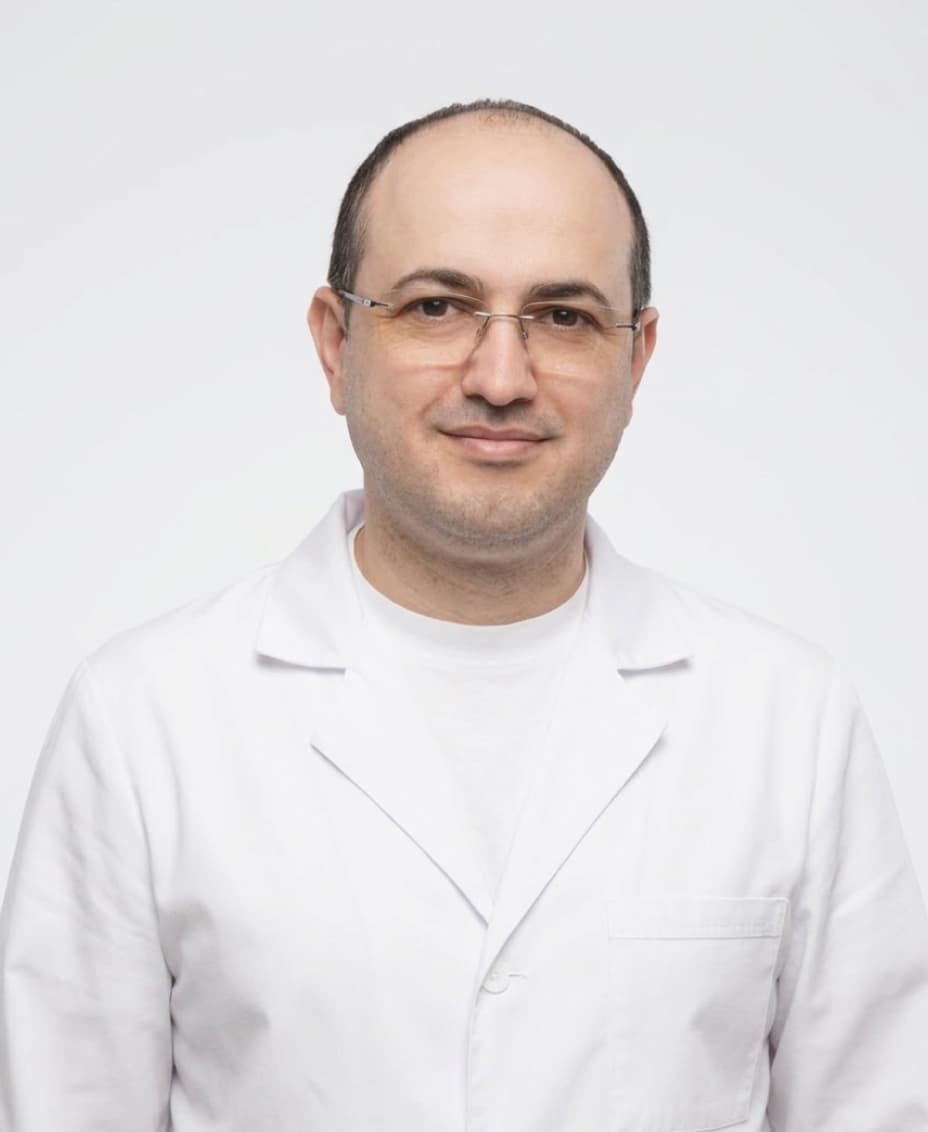
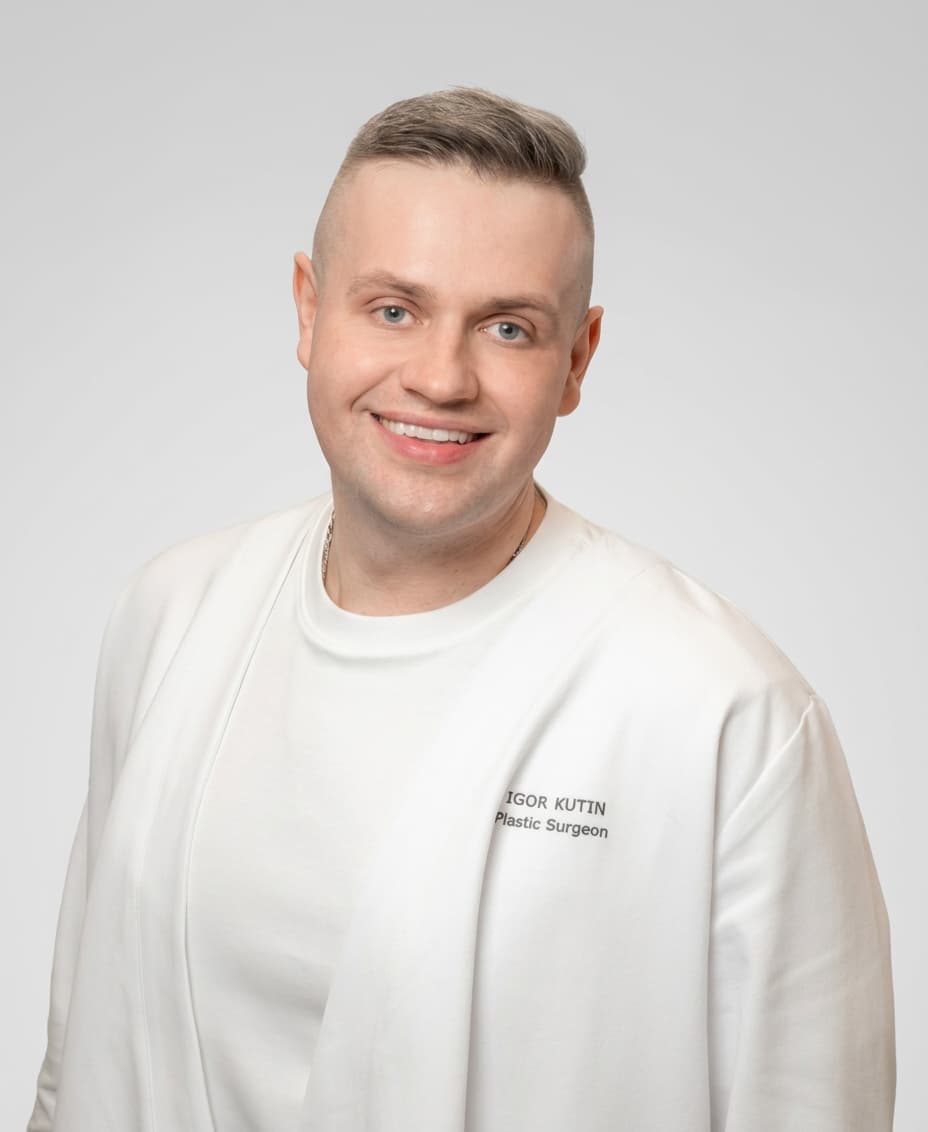
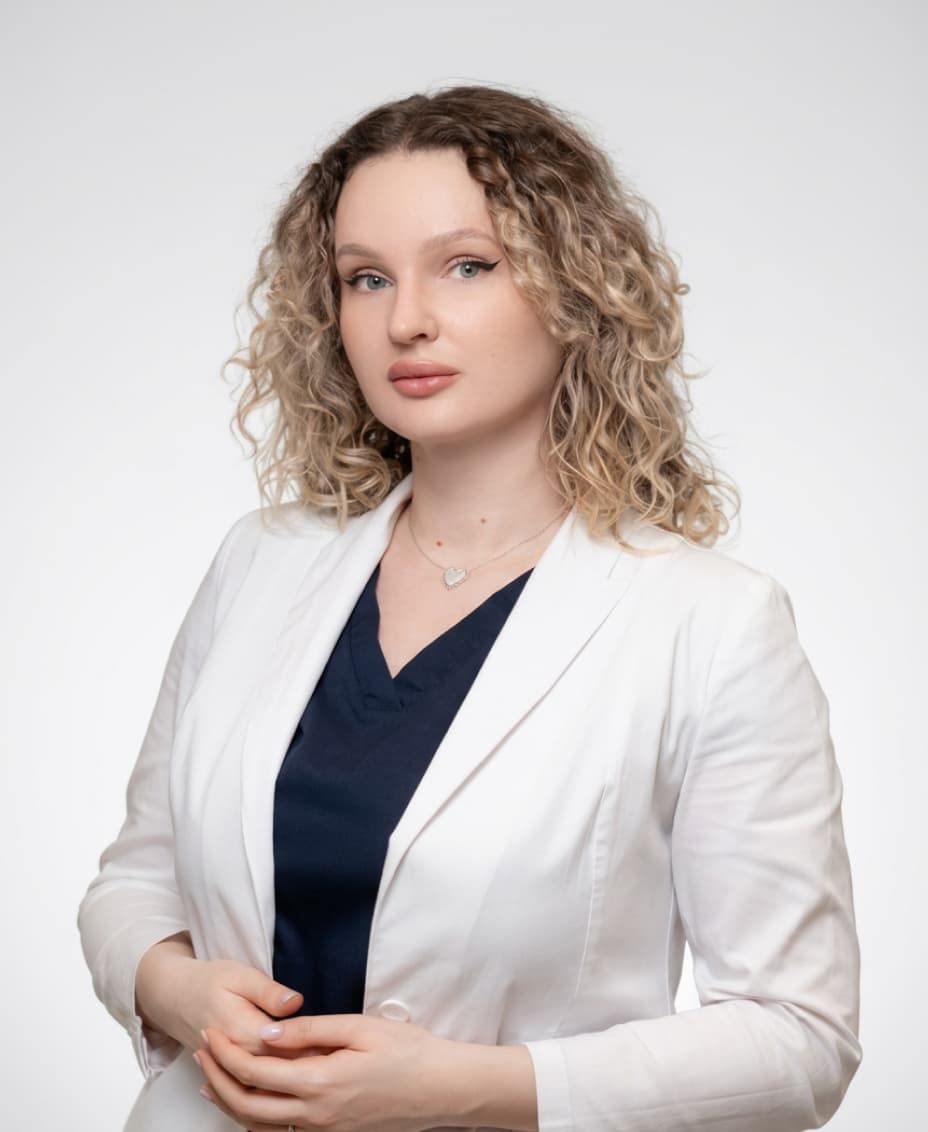
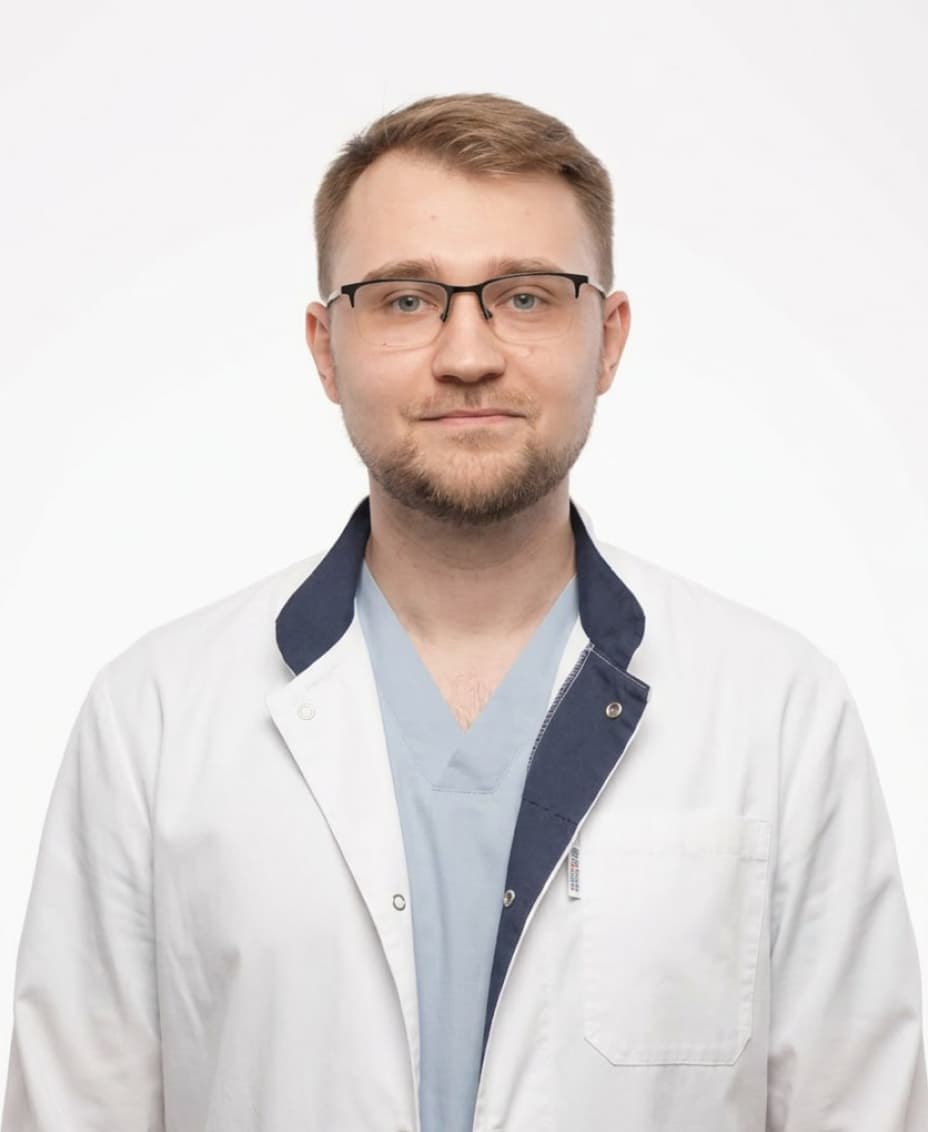
A team that continues the traditions of Professor A.I. Nerobeev's school. Our specialists not only practice but also teach, developing unique techniques in reconstructive and aesthetic medicine.


Leave your number and we will contact you