 My Account
 +7 (495) 129 37 00
 st. Derbenevskaya, 9
Face and Neck Plastic Surgery (SMAS-Lift)
Mid/lower face and neck rejuvenation: musculo-aponeurotic layer lift, platysmaplasty eliminating jowls, double chin, nasolabial folds restoring sharp oval and "youth angle".
Available sections:
Face and neck plastic surgery is one of the leading areas of aesthetic surgery. It is aimed at correcting age-related changes, restoring clear contours, and creating harmonious facial proportions.
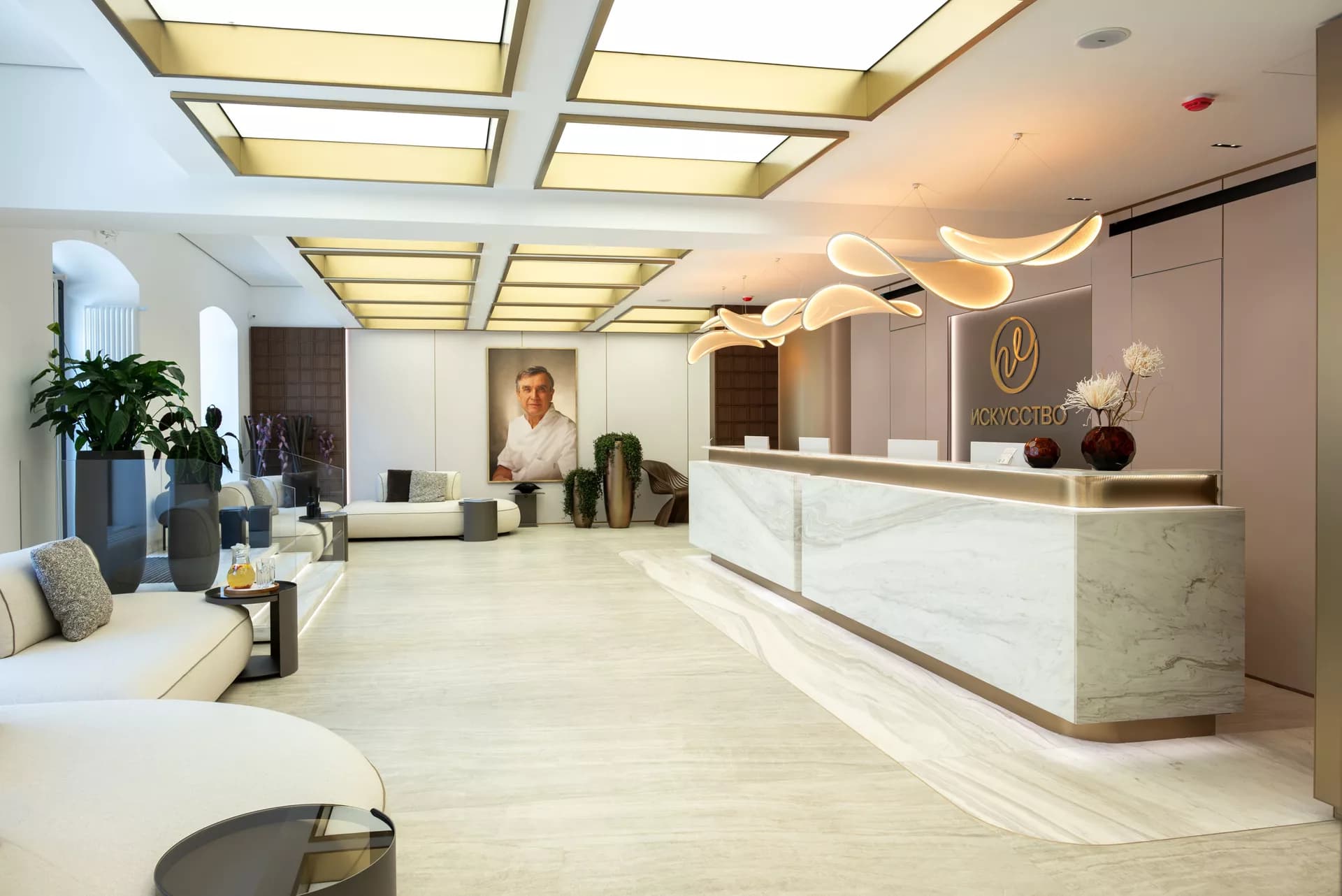
At Iskusstvo Clinic in Moscow, facelift procedures are performed by surgeons trained in the school of Professor A.I. Nerobeev, the founder of reconstructive and plastic surgery of the maxillofacial region in Russia. A deep understanding of facial nerve anatomy, vascular architecture, and musculoaponeurotic structures allows our specialists to perform procedures with high precision and minimal risk of complications.
The philosophy of facial plastic surgery at Iskusstvo Clinic is based on the principle of meaningful beauty: not to change a person’s appearance beyond recognition, but to restore the natural youthfulness of the face while preserving individual features and facial expressiveness. Each case is approached as a multilayered task in which aesthetics, function, and health remain in balance.
Indications
Medical, or Functional, Indications
Pronounced ptosis, or sagging, of the soft tissues of the face and neck
Deep nasolabial folds and jowls in the lower jaw area
Loose and excess skin in the neck area, double chin
Drooping eyebrows and a heavy-looking gaze
Loss of definition in the facial oval
Pronounced forehead and glabellar wrinkles
Platysmal bands, or vertical bands on the neck
Aesthetic Indications
Desire to refresh the appearance and look in line with one’s internal sense of age
Dissatisfaction with facial contours that has appeared with age
Desire for a harmonious, natural result without an “over-tightened” look
Types of Procedures and Methods
At Iskusstvo Clinic, a full range of surgical facial and neck rejuvenation techniques is used. The choice of method depends on individual anatomy, the degree of age-related changes, and the patient’s goals.
Endoscopic Forehead and Temporal Lift
An endoscopic forehead and temporal lift is a minimally invasive lift of the upper third of the face performed through small incisions in the scalp. It allows the surgeon to lift the eyebrows and smooth horizontal and vertical forehead wrinkles without visible scars.
Brow Lift
A Brow Lift is an isolated eyebrow lift that restores a more open and youthful look. It may be performed endoscopically or through a small surgical access.
Cheek Lift, or Mid-Face Lift
A Cheek Lift corrects the middle third of the face. It reduces deepening of the nasolabial folds, restores volume in the cheekbone area, and brings back youthful contours to the midface.
SMAS-Lifting, or ART-Lifting
SMAS-Lifting is a classic deep lifting technique in which the surgeon works not only with the skin, but also with the superficial musculoaponeurotic system, or SMAS layer. This provides a stable and natural result for many years.
Deep Plane Facelift
A Deep Plane Facelift is the deepest type of facelift, in which tissues beneath the SMAS layer are mobilized. This technique allows for pronounced rejuvenation with minimal skin tension, reducing the risk of a “mask-like” effect.
Mini Facelift
A Mini Facelift is a lifting technique with a shorter incision and a smaller volume of tissue mobilization. It is suitable for patients with early or moderate signs of ptosis in the lower third of the face.
Platysmaplasty
Platysmaplasty is surgical correction of the neck. It addresses platysmal bands, excess skin, and fat deposits in the submental and submandibular areas. It is often combined with a facelift to achieve comprehensive rejuvenation of the face and neck.
How the Surgery Is Performed
Face and neck plastic surgery at Iskusstvo Clinic is performed in an inpatient surgical facility equipped to the standards of leading federal medical centers. Preoperative preparation includes a consultation with the surgeon, detailed planning of the surgical scope, standard laboratory tests, and a consultation with an anesthesiologist.
The type of anesthesia depends on the extent of the procedure. Local procedures, such as an endoscopic forehead lift or Brow Lift, may be performed under intravenous sedation. More extensive procedures, such as SMAS-Lifting or Deep Plane Facelift, are usually performed under general anesthesia.
The duration of surgery varies from 1–1.5 hours for isolated procedures to 3–5 hours for a combined facelift with platysmaplasty. The surgeon works through carefully planned access points, placing incisions in natural folds and along the hairline to minimize the visibility of postoperative scars.
Rehabilitation
The early postoperative period involves staying in a comfortable clinic room for one to two days. A compression dressing is applied for 3–7 days, depending on the extent of the procedure. Sutures are removed on days 7–14.
Swelling and ecchymosis, or bruising, usually decrease significantly by the end of the second or third week. Return to social activity is generally possible 2–3 weeks after surgery. Physical activity is restricted for 4–6 weeks.
The final result forms within 3–6 months as the tissues fully mature and residual swelling disappears. The duration of the effect depends on the technique and the patient’s individual characteristics and, according to the literature, ranges from 5 to 15 years. Recovery timelines are individual and may vary.
Risks and Complications
Any surgical procedure involves a certain level of risk. Possible complications include hematoma, seroma, wound infection, temporary or persistent sensory changes, injury to branches of the facial nerve, asymmetry, and unsatisfactory scarring.
All potential risks are discussed in detail with the surgeon during the consultation. The high qualification of Iskusstvo Clinic surgeons and their deep understanding of facial nerve anatomy, gained through the school of Professor Nerobeev, help minimize the likelihood of complications.
Contraindications
Absolute Contraindications
Decompensated cardiovascular, liver, or kidney diseases
Blood clotting disorders
Active oncological disease
Acute infectious diseases
Mental disorders that prevent informed consent to surgery
Relative Contraindications
Diabetes mellitus, which requires compensation
Arterial hypertension, which requires stabilization
Autoimmune diseases
Smoking, with cessation recommended 2–4 weeks before surgery
Pregnancy and breastfeeding
The final decision on whether surgery can be performed is made by the doctor.
Why Choose Iskusstvo Clinic
The school of Professor Nerobeev. The clinic’s surgeons are students of the founder of Russian reconstructive and
BEFORE & AFTER
The best proof of mastery is the happy faces of our patients. Real examples of transformation without photoshop or retouching.
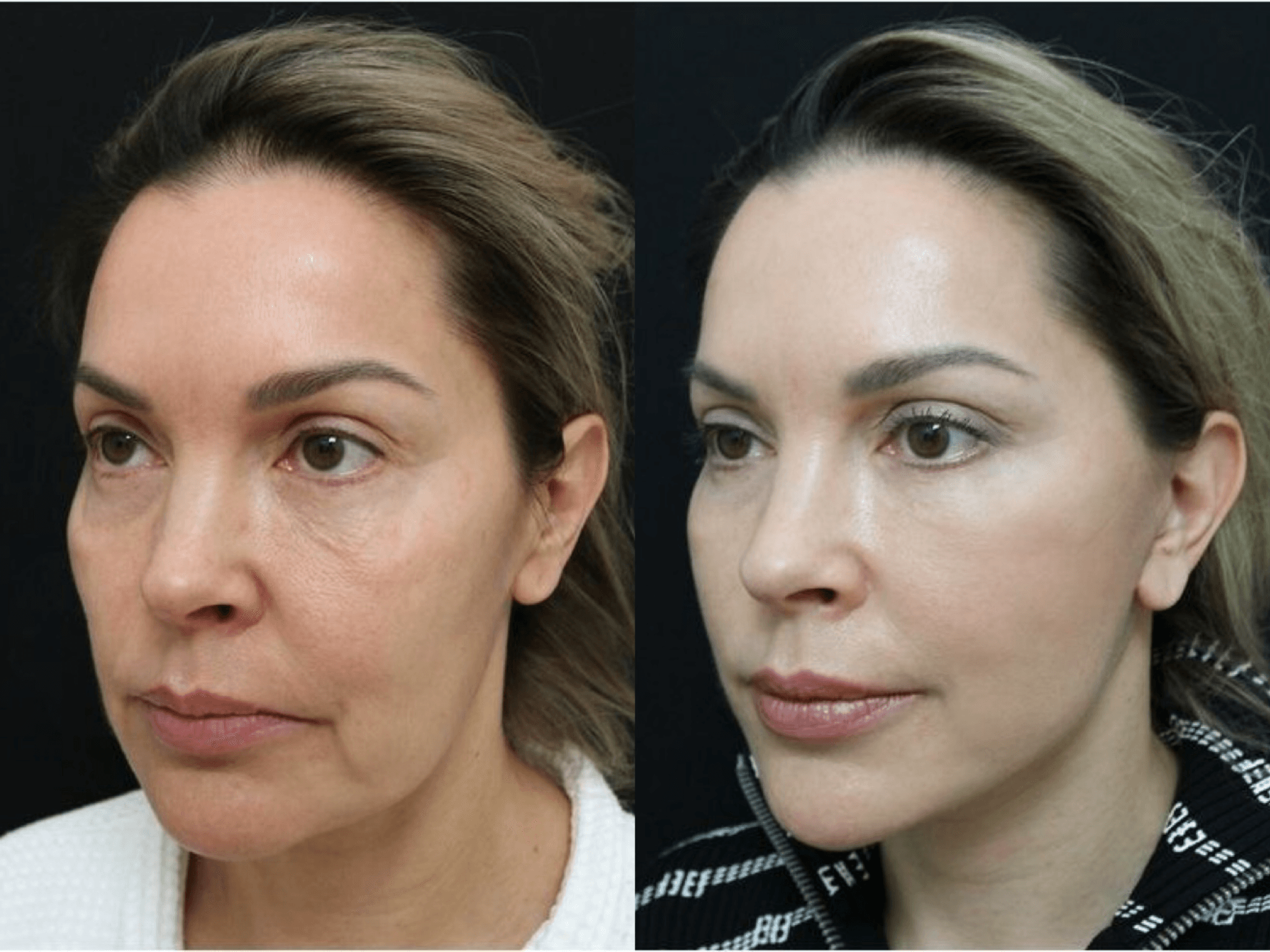
SMAS facelift 1 month after surgery: the facial contour became more defined, with reduced soft tissue ptosis in the lower face and upper neck. The result is a firmer, more refreshed, and more youthful appearance.
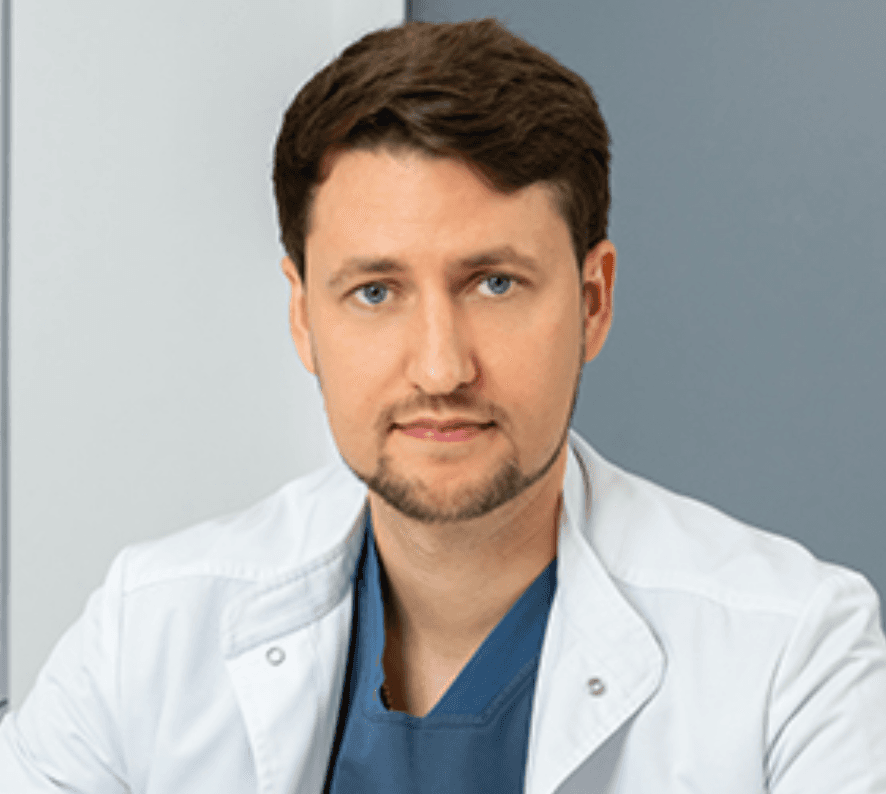
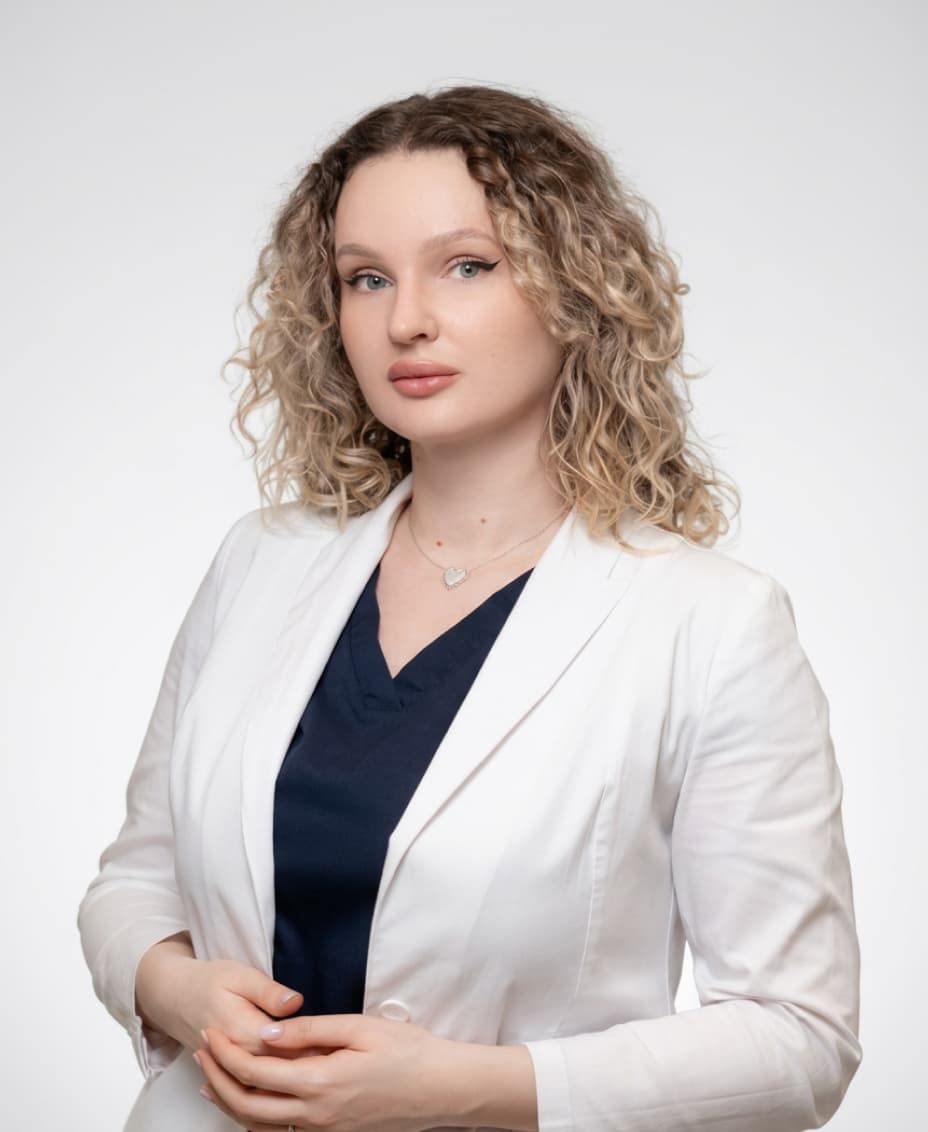
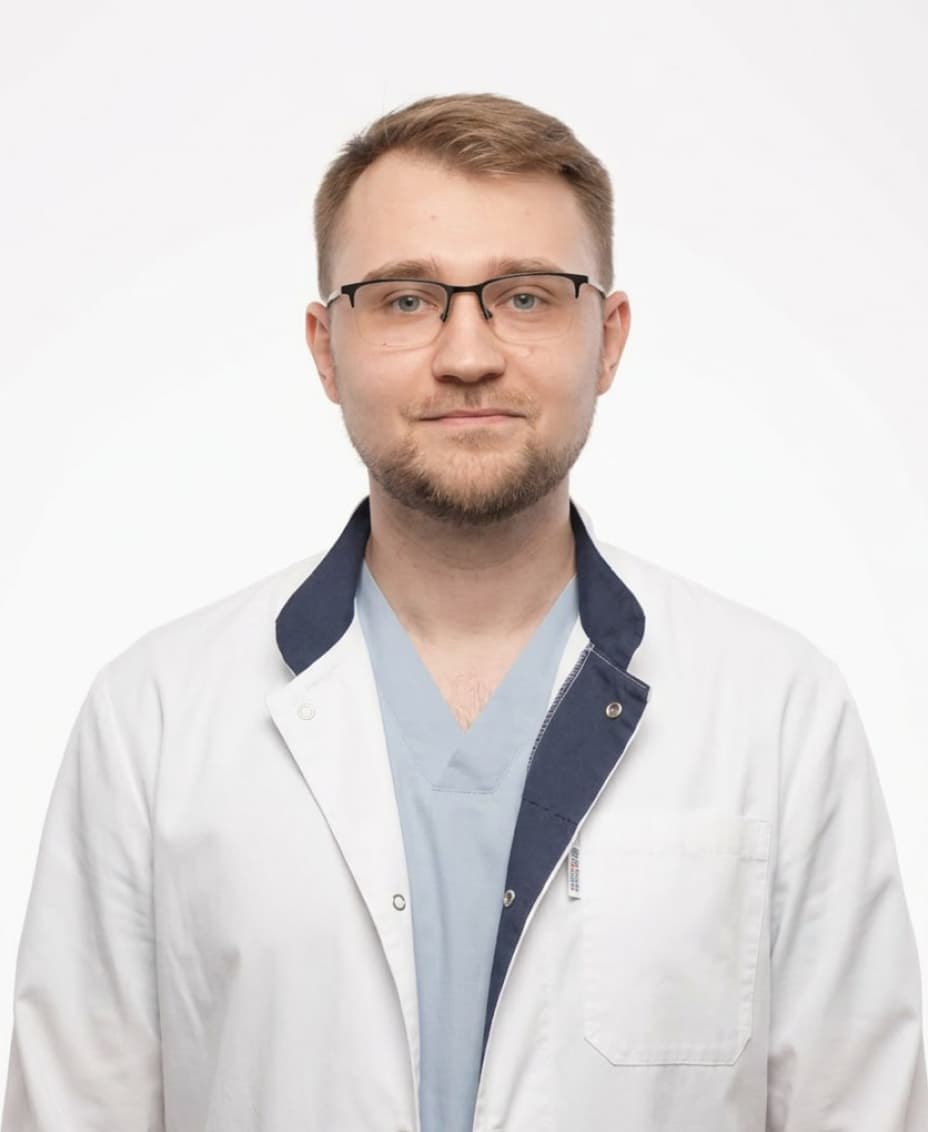
DoctorViktor E. KobazevOUR SPECIALISTS
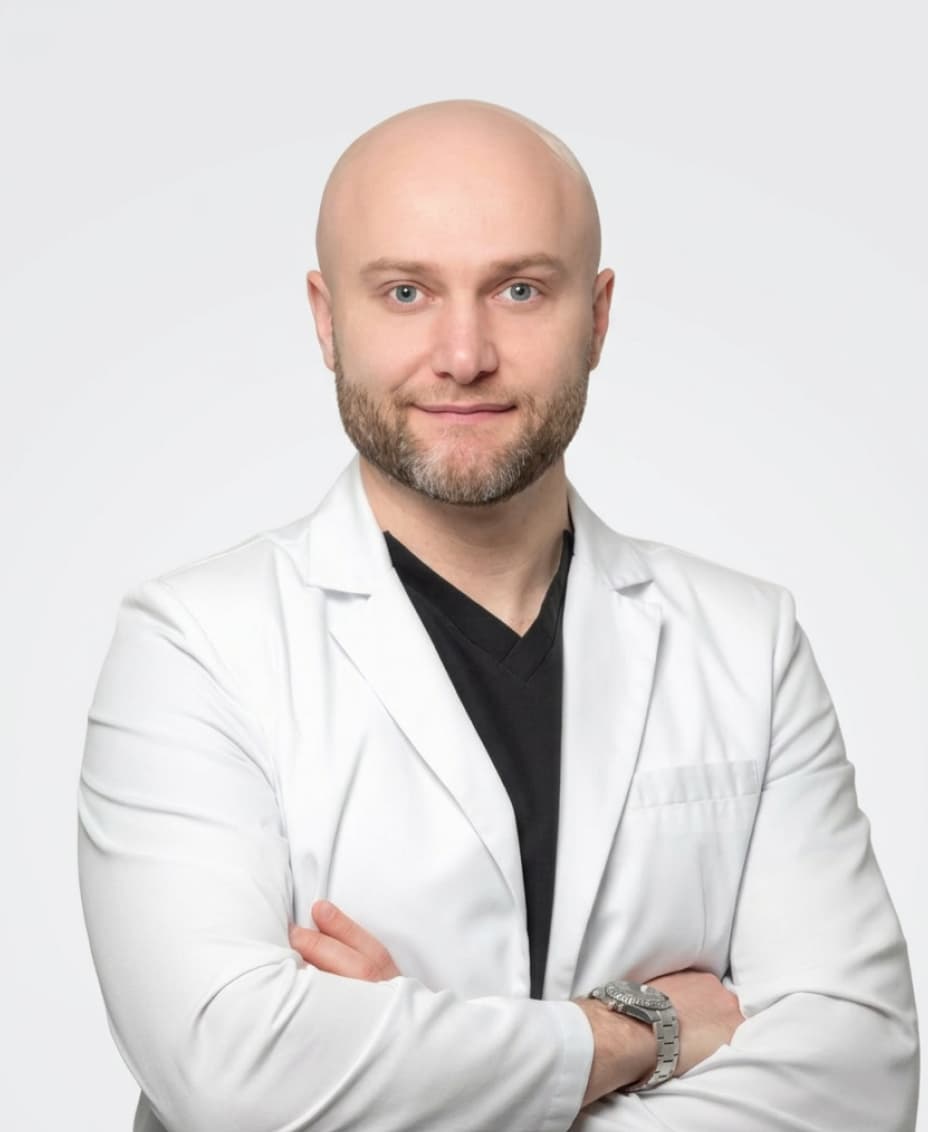
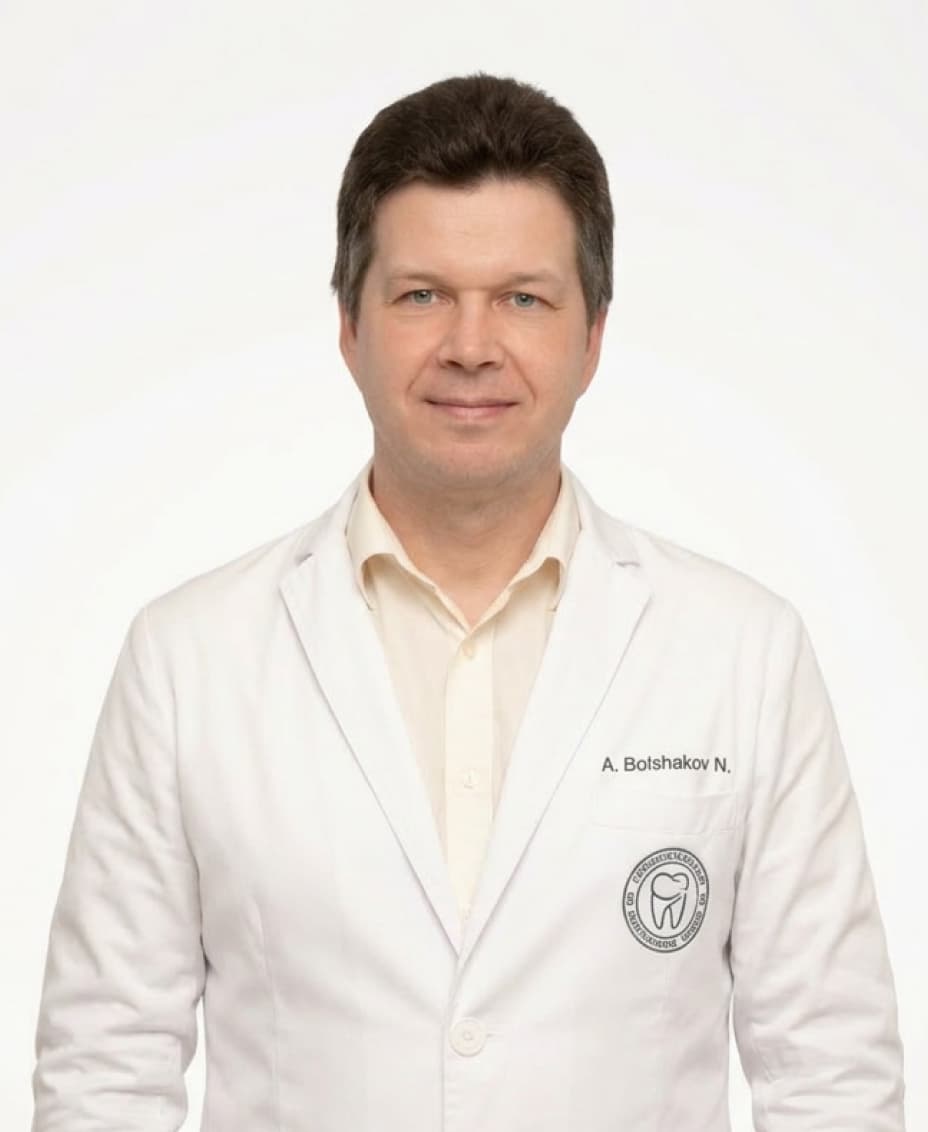
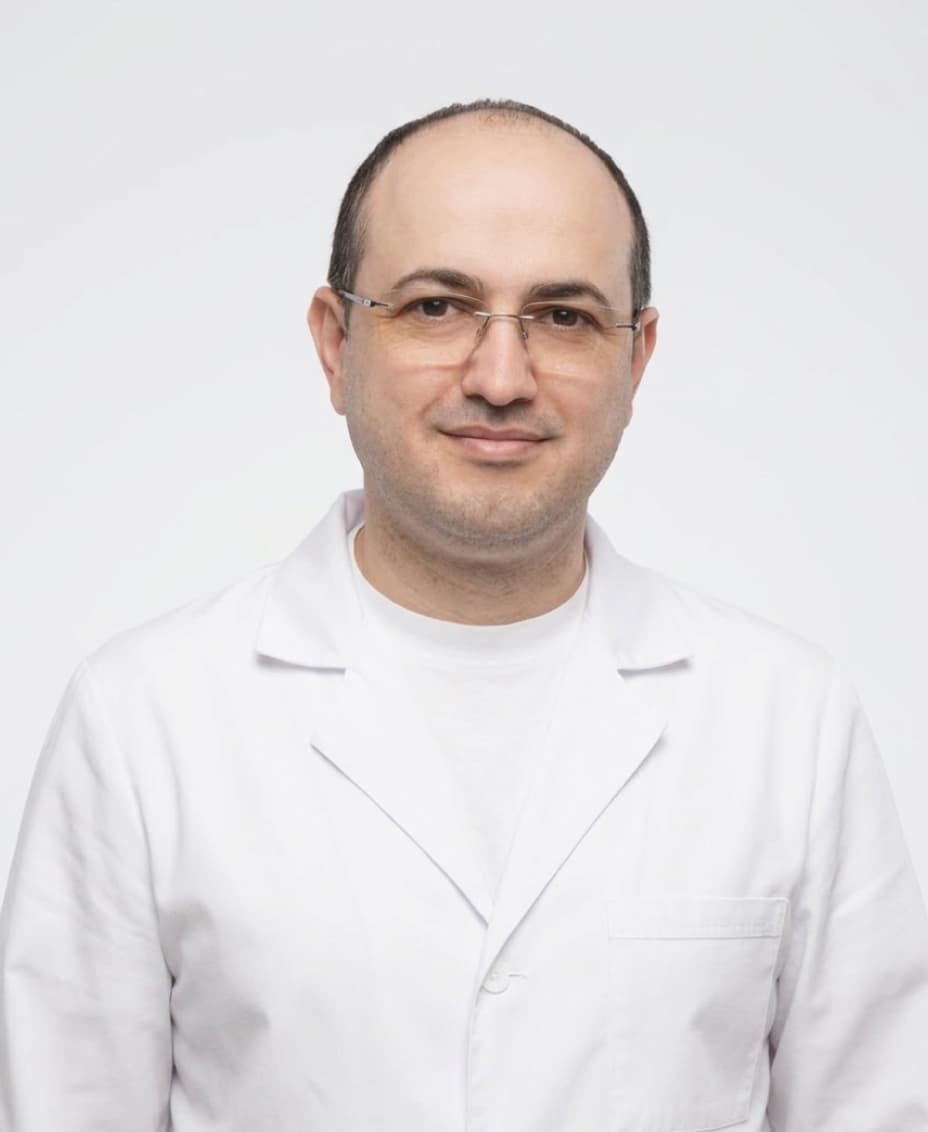
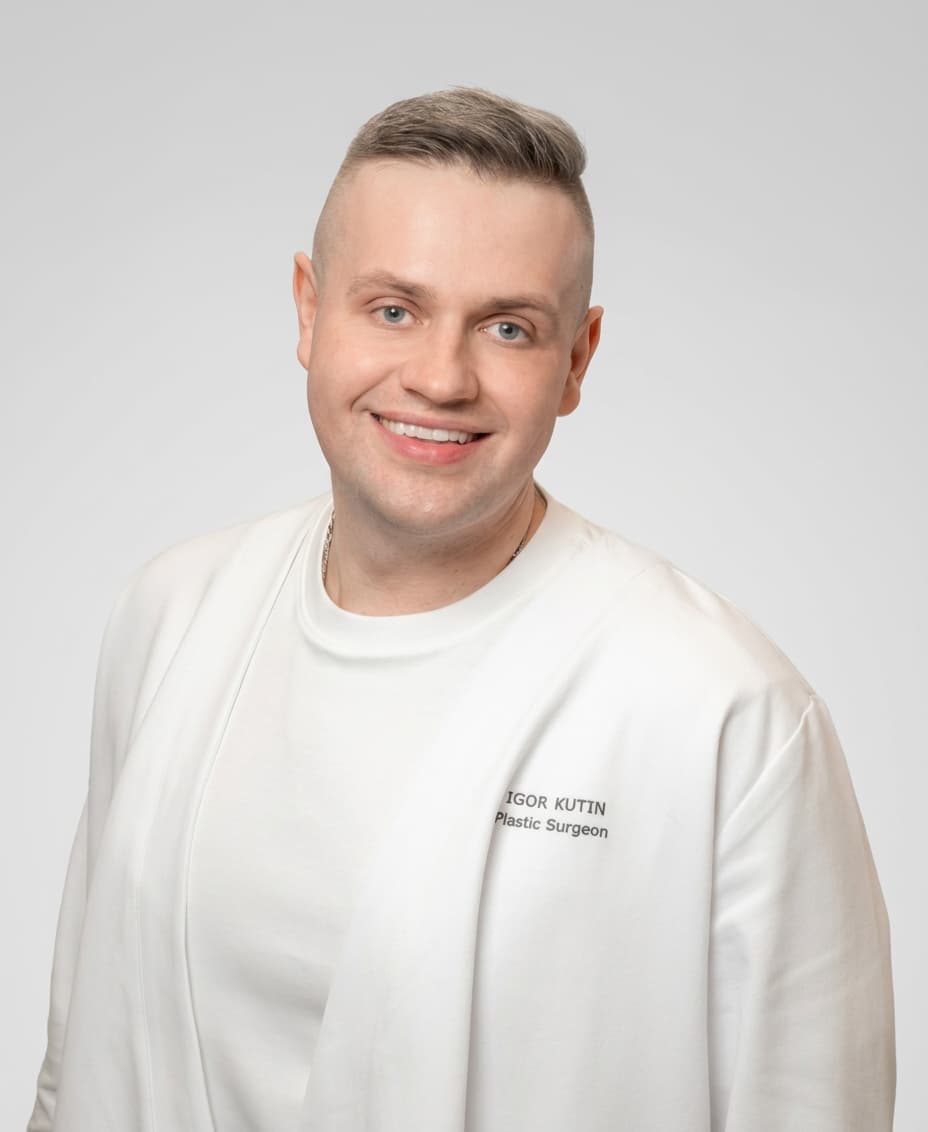
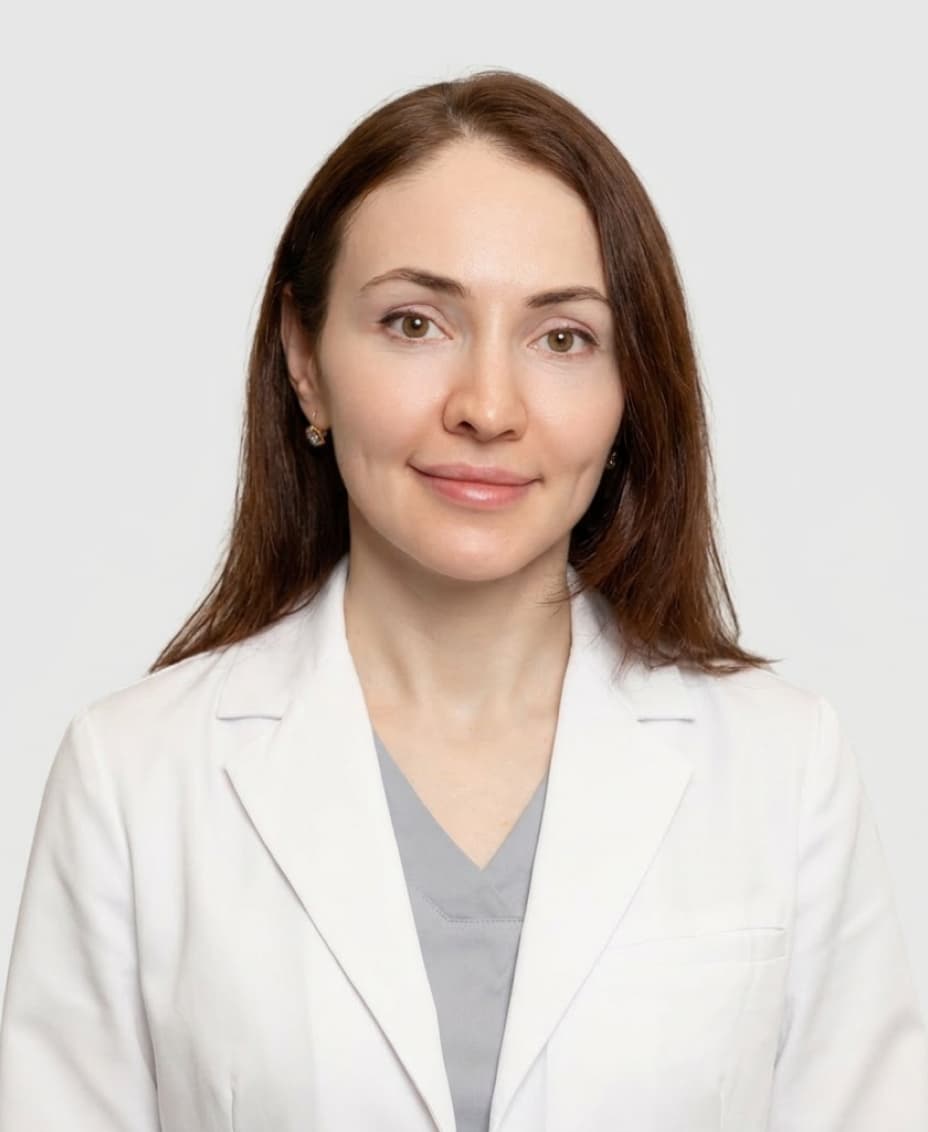
A team that continues the traditions of Professor A.I. Nerobeev's school. Our specialists not only practice but also teach, developing unique techniques in reconstructive and aesthetic medicine.

Leave your number and we will contact you