 My Account
 +7 (495) 129 37 00
 st. Derbenevskaya, 9
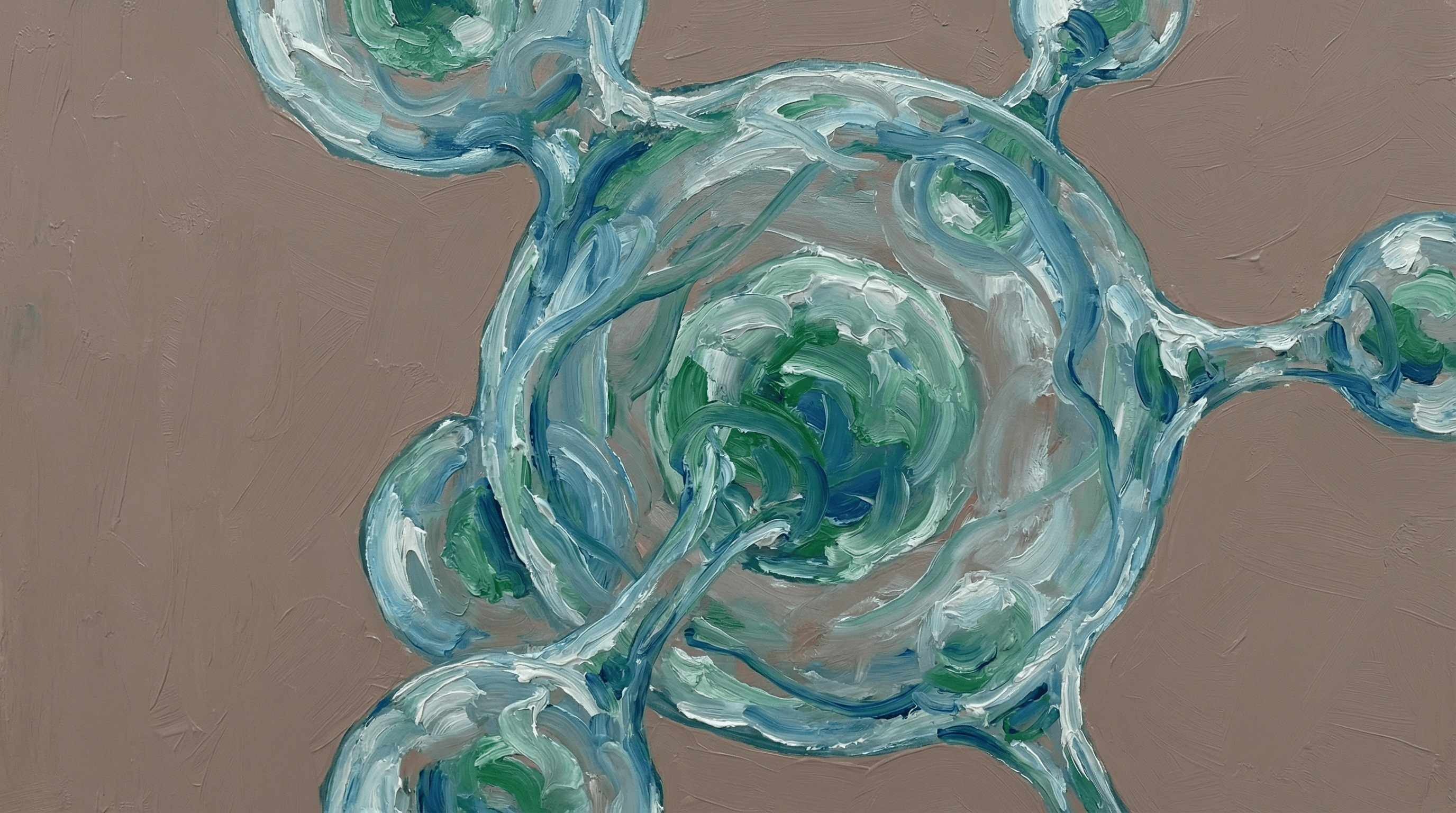
Cellular Technologies
Patient's own fibroblasts and stem cells rebuild collagen framework, regenerate tissues and rejuvenate at cellular level without donor materials.
Available sections:
Cellular technologies in cosmetology are a field that uses the patient’s own biological resources: platelet-rich plasma, or PRP, autologous cultured skin cells, as used in SPRS therapy, or Swiss-made plasma preparations by Regen Lab. Unlike synthetic preparations, cellular methods work by activating the body’s own regenerative mechanisms. Growth factors contained in platelets and cellular concentrates stimulate collagen synthesis, activate dermal renewal, and improve tissue trophism.
At Iskusstvo Clinic, cellular technologies are used with an evidence-based approach. For a number of methods, primarily PRP therapy, clinical data confirming effectiveness have been accumulated. Other areas, such as stem cell rejuvenation, are still under active study, and the doctor will honestly explain the level of evidence for each method during the consultation.
Procedures Included in This Field
PRP Therapy, or Plasmolifting
PRP therapy involves the injection of platelet-rich plasma obtained from the patient’s own blood. It is used for rejuvenation of the skin of the face, neck, and décolleté, treatment of hair loss, and acceleration of healing after other procedures. More information is available on the PRP Therapy page.
Regen Lab Plasma Therapy, Switzerland
Regen Lab plasma therapy is a PRP protocol using patented tubes from the Swiss laboratory Regen Lab, which provide a standardized concentration of platelets and growth factors. More information is available on the Regen Lab Plasma Therapy page.
SPRS Cellular Rejuvenation Therapy
SPRS therapy involves the injection of autologous, or the patient’s own, cultured skin fibroblasts grown in laboratory conditions from the patient’s biopsy sample. The method is aimed at replenishing the age-related deficit of dermal cells. More information is available on the SPRS Therapy page.
Stem Cell Rejuvenation
Stem cell rejuvenation is an experimental field that uses stem cells from adipose tissue or bone marrow for skin restoration and rejuvenation. It is used within scientific protocols. More information is available on the Stem Cell Rejuvenation page.
Plasma Therapy for the TMJ, Temporomandibular Joint
This procedure involves PRP injection into the temporomandibular joint area for pain syndrome, TMJ dysfunction, and arthrosis.
Indications for Cellular Technologies
Age-related changes of the skin of the face, neck, and décolleté: wrinkles, reduced turgor, and dullness
Hair loss: androgenetic alopecia, diffuse hair loss, and stress-related hair loss
Skin recovery after aggressive procedures and surgical interventions
Post-acne changes: scars, uneven texture, and post-inflammatory marks
Chronic pain and dysfunction of the temporomandibular joint
Preference to avoid synthetic preparations and request for more “natural” methods
Comprehensive anti-age programs combined with injectable and hardware-based methods
How Cellular Procedures Are Performed
Most procedures in this field are based on a common principle: collection of the patient’s biomaterial, such as blood, a skin biopsy sample, or adipose tissue; laboratory processing, such as centrifugation or cell cultivation; and injection of the resulting concentrate back into the patient.
For PRP, this takes 30–45 minutes directly in the treatment room. For SPRS therapy, 4–6 weeks of laboratory cell cultivation are required between biopsy collection and the first injection.
The preparations are usually administered by injection, either into the skin or subcutaneously, after application of anesthetic cream. The sensations are comparable to standard cosmetology injections. The recovery period is minimal: mild redness and swelling usually resolve within 12–48 hours.
Results and Timing
The effect of cellular technologies develops gradually as the body’s own regenerative processes are activated. With PRP therapy, the first improvements in skin quality are usually noticeable 3–4 weeks after the first session, with maximum results achieved by the end of a course of 3–5 procedures.
With SPRS therapy, the effect continues to accumulate for 3–6 months after injection.
The duration of the effect, number of sessions, and intervals between them are strictly individual and depend on age, skin condition, the chosen method, and the treatment goal. The doctor determines the plan during the consultation after diagnostics.
Contraindications
Oncological diseases during active treatment
Blood clotting disorders or anticoagulant therapy
Acute infectious diseases and fever
Pregnancy and breastfeeding
Autoimmune diseases in the acute stage
Thrombocytopenia and other blood disorders
The complete list of contraindications is determined individually by the doctor during the consultation.
Why Choose Iskusstvo Clinic
At Iskusstvo Clinic, the doctor honestly explains what is supported by research and what is still being studied, and recommends a method only when there are real indications.
Synergy with Surgery and Laser Treatments
At the clinic, PRP therapy is used not only as a standalone procedure, but also as part of postoperative and post-laser protocols to accelerate healing and improve the quality of the result. This comprehensive approach is possible because surgeons, laser specialists, and cosmetologists work as one team.
Standardized Protocols
For PRP procedures, certified centrifugation systems are used to achieve a reproducible platelet concentration. This is essential for a predictable result. Non-standardized “homemade” PRP methods are not used at the clinic.
Frequently Asked Questions
How Safe Are Cellular Technologies?
PRP therapy uses the patient’s own blood, so the risk of allergy or rejection is excluded. The main risks are common to any injections: bruising and infection if aseptic standards are not followed.
At Iskusstvo Clinic, all procedures are performed in a medical treatment room in accordance with clinical standards. SPRS therapy and stem cell methods require separate discussion of risks with the doctor.
Cellular Technologies or Hyaluronic Acid Injections: Which Should I Choose?
They address different goals. Hyaluronic acid restores volume and provides hydration. PRP and cellular methods work at the level of biological regeneration: they improve skin quality and stimulate the synthesis of the patient’s own collagen.
The methods complement each other, and doctors often recommend them within one program with appropriate intervals.
How Many Procedures Are Needed and How Often?
For PRP skin therapy, the basic course includes 3–5 sessions at intervals of 3–4 weeks, followed by a maintenance session once every 6–12 months.
For hair treatment, 4–6 sessions are usually performed at intervals of 2–3 weeks, followed by maintenance once per quarter.
SPRS therapy is usually performed as a course of 3–5 injections after laboratory cell cultivation. The exact plan is individual.
Can Cellular Technologies Be Combined with Other Cosmetology Procedures?
Yes. PRP combines well with microneedling, where it is applied after the procedure into open microchannels, laser procedures, where it accelerates healing, and mesotherapy.
The intervals and sequence are determined by the doctor.
Is There Any Recovery Period After the Procedures?
Redness and mild swelling usually last 12–48 hours. Bruising at injection sites may occur and usually resolves within 5–7 days. Sauna, steam bath, and active sports are restricted for 24–48 hours.
In general, the procedures are well tolerated and do not require a significant recovery period.
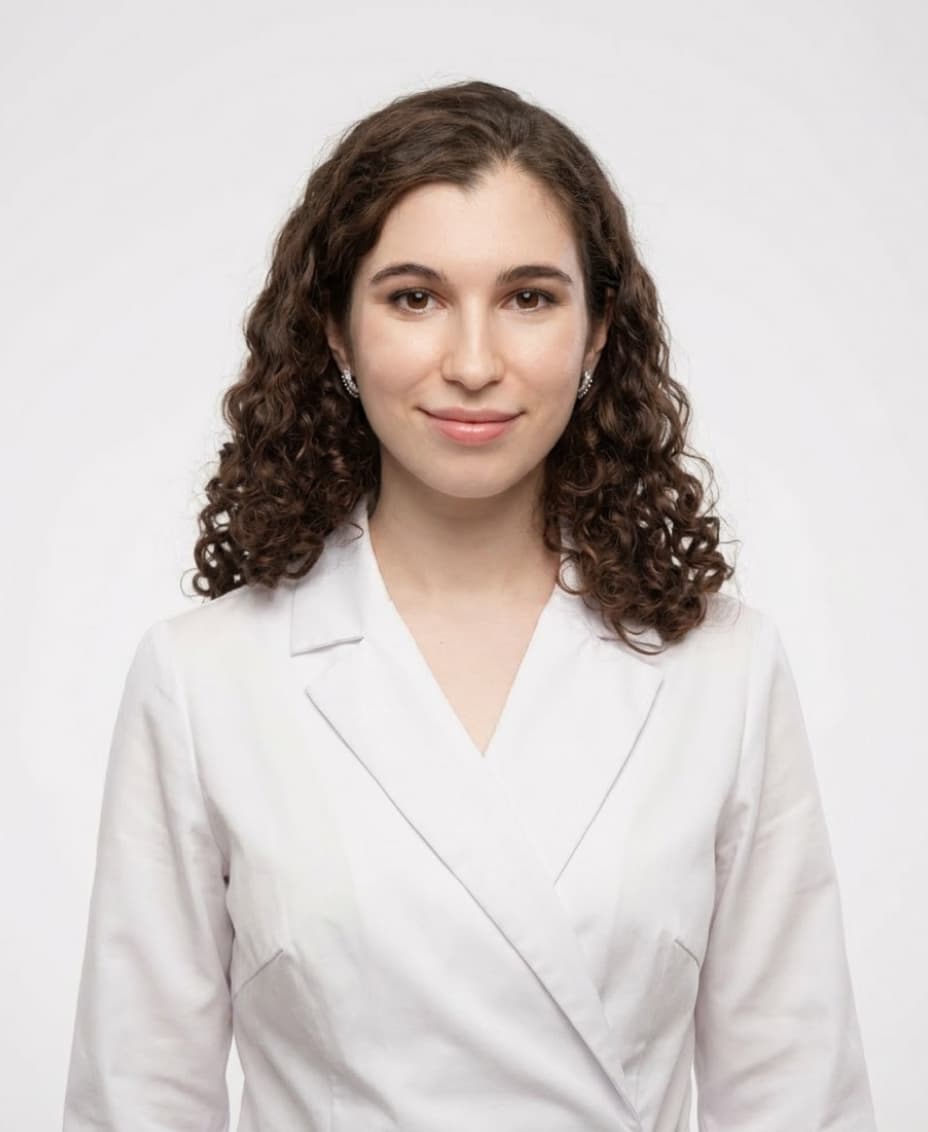
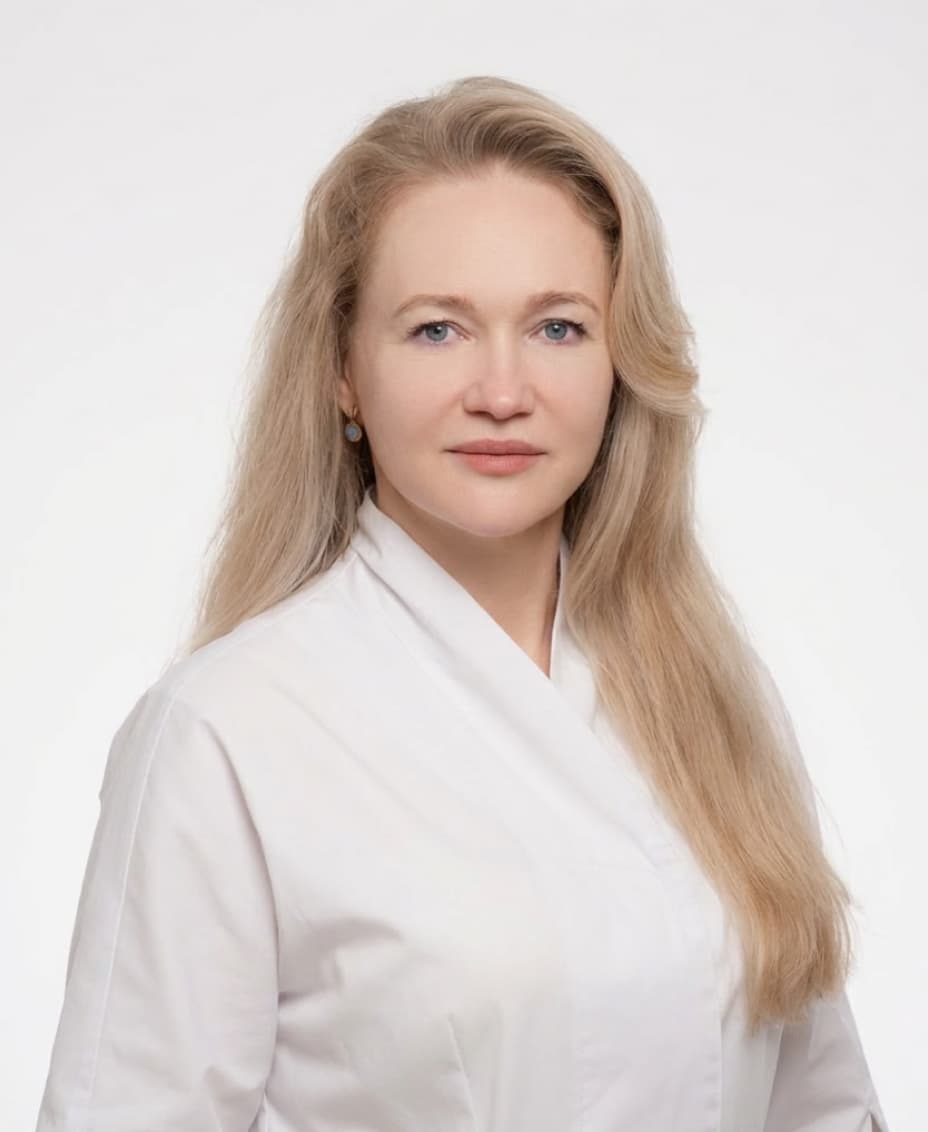
OUR SPECIALISTS
A team that continues the traditions of Professor A.I. Nerobeev's school. Our specialists not only practice but also teach, developing unique techniques in reconstructive and aesthetic medicine.

Leave your number and we will contact you